Senusret III was one of the most powerful and famous rulers of ancient Egypt. He was the fifth king of Egypt's Twelfth Dynasty and ruled during the height of the Middle Kingdom. His reign was marked by military expansion, administrative reforms, monumental construction, economic development, and a dramatic strengthening of Egyptian control over Nubia.
Senusret III inherited a prosperous kingdom from his father, Senusret II. His predecessor had concentrated heavily on agriculture and the development of the Faiyum, creating a stable economic foundation. Senusret III used that strength to expand Egypt's military power and reorganize the government.
He became famous for his campaigns in Nubia.
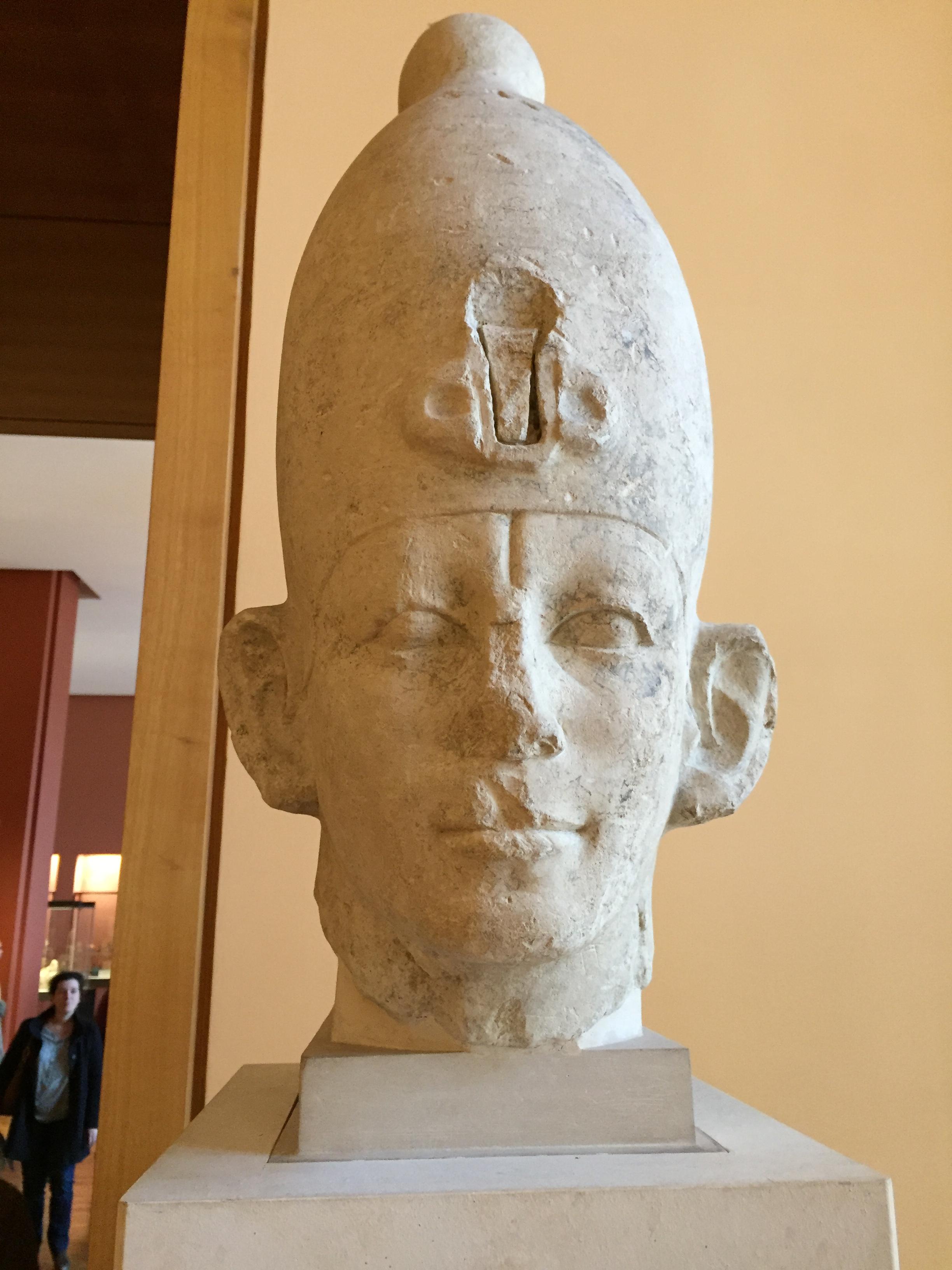
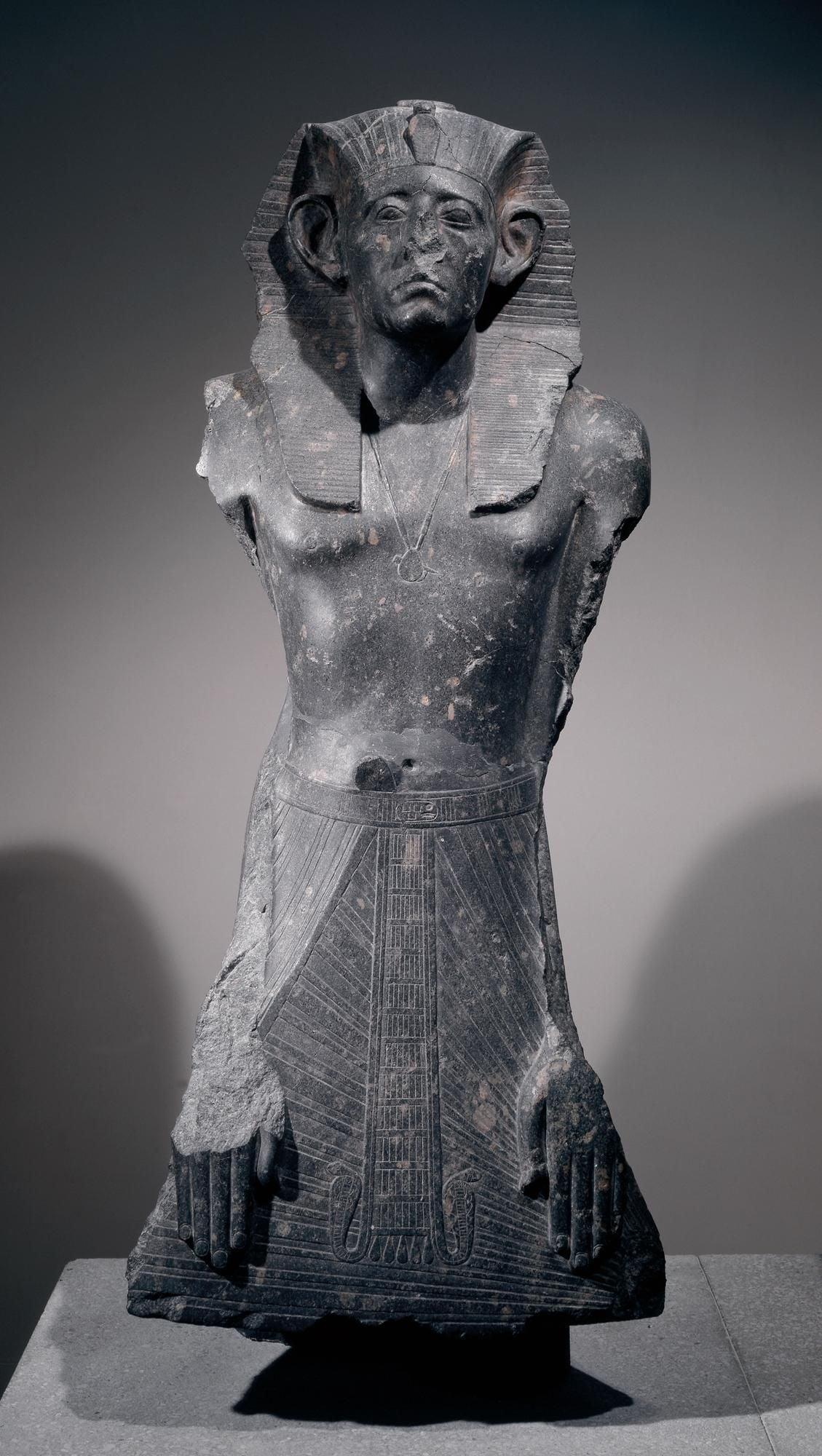
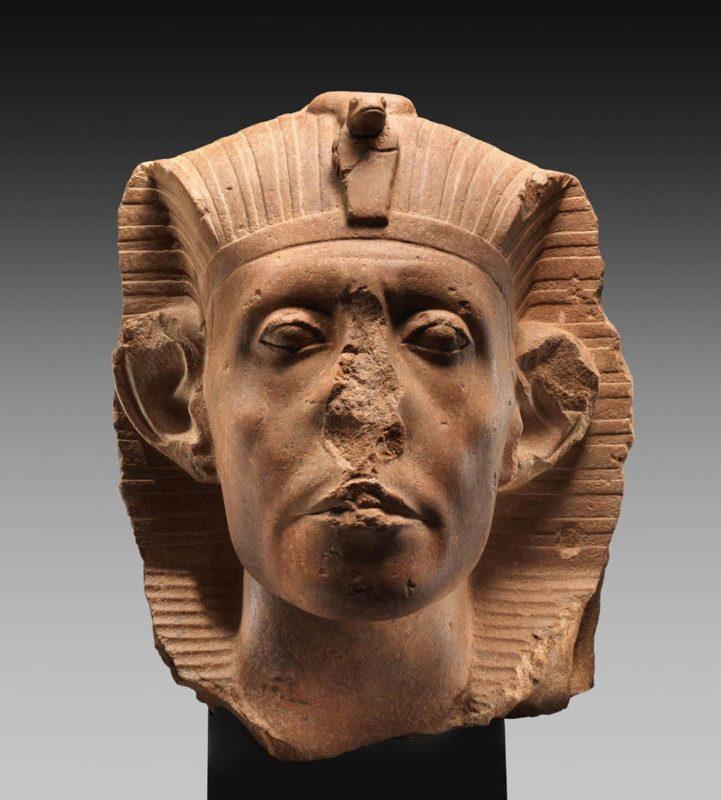
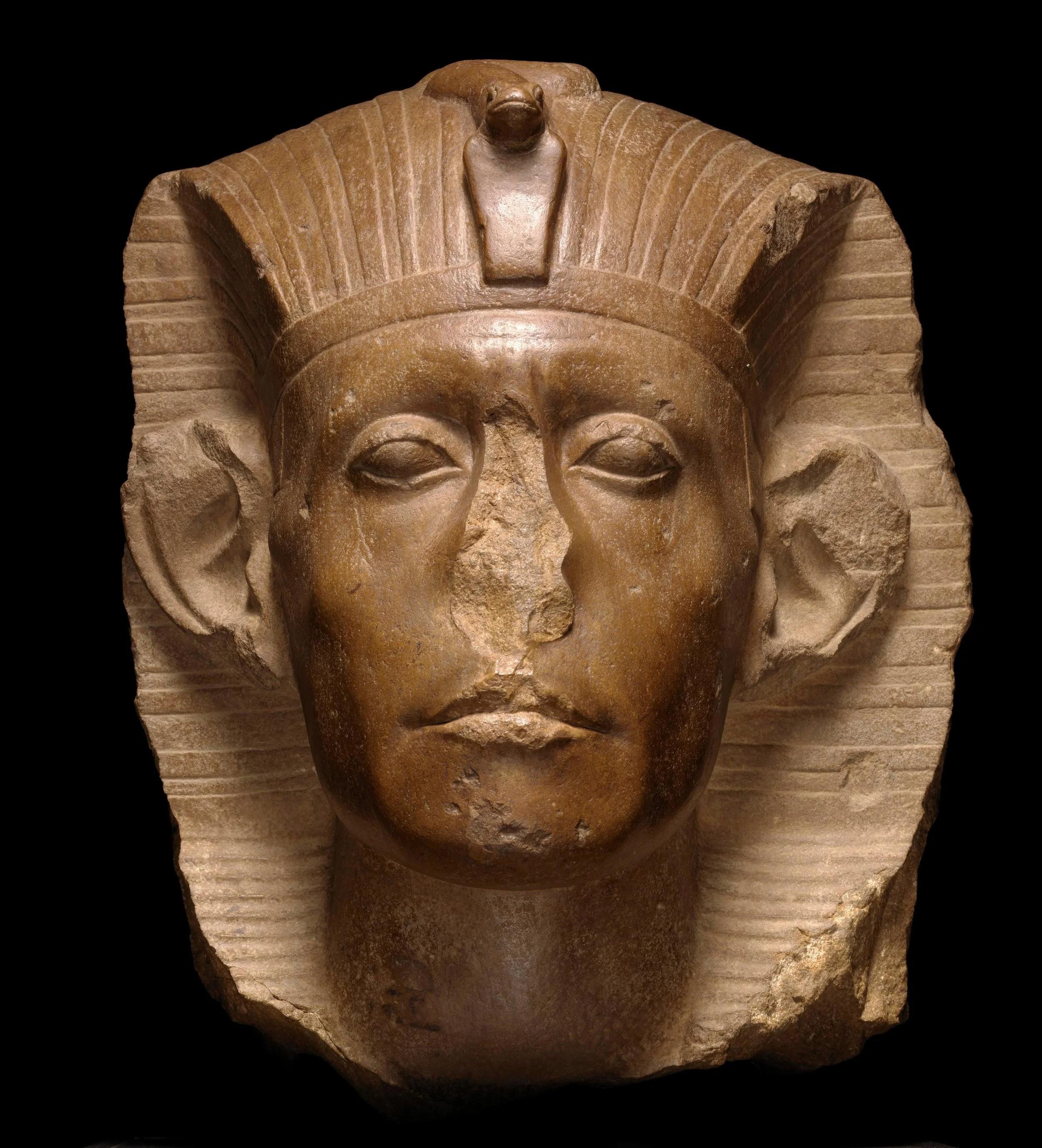
He also became famous for his unusual royal portraits.
Unlike many earlier Egyptian kings, whose statues often presented them as eternally young and idealized, Senusret III was sometimes shown with a serious, tired, or thoughtful expression.
These portraits have made him one of the most recognizable pharaohs in Egyptian art.
His reign was a turning point.
Egypt became more centralized.
Nubia came under stronger Egyptian control.
The power of provincial governors was reduced.
The southern frontier was heavily fortified.
And the king's authority became stronger than it had been for generations.
Senusret III was not simply a warrior.
He was also an administrator, builder, religious patron, and political reformer.
His reign helped create one of the strongest centralized states of the Middle Kingdom.
Egypt Before Senusret III
Senusret III was born during the prosperous Twelfth Dynasty.
His grandfather was Amenemhat II.
His father was Senusret II.
His great-grandfather was Senusret I.
The dynasty had been founded by Amenemhat I.
Each generation had strengthened Egypt.
Amenemhat I restored strong central authority.
Senusret I expanded the kingdom and strengthened Nubia.
Amenemhat II developed international trade.
Senusret II focused heavily on the Faiyum and agricultural development.
Senusret III inherited all of these achievements.
He therefore became king of an already powerful country.
His task was to make it even stronger.
Becoming Pharaoh
Senusret III succeeded his father, Senusret II, around the nineteenth century BC.
His reign lasted for approximately four decades, although the exact chronology is still debated.
He inherited a stable political system and a strong economy.
But he faced an important strategic challenge.
Egypt needed to control Nubia.
Nubia was rich in gold.
It controlled important trade routes.
It also represented a potential security threat to Egypt's southern border.
Senusret III decided to solve the problem permanently.
The Nubian Campaigns
The military campaigns of Senusret III are among the most important events of his reign.
Egypt had been expanding into Nubia for generations.
However, Senusret III greatly increased the intensity and permanence of Egyptian control.
He launched several campaigns southward.
Egyptian armies moved deep into Nubian territory.
The goal was not simply to defeat an enemy army.
The goal was to establish permanent Egyptian control.
Why Nubia Was Important
Nubia was extremely valuable to Egypt.
The region contained gold.
It provided access to ivory.
It supplied exotic woods.
It connected Egypt with trade routes leading deeper into Africa.
Controlling Nubia therefore provided both economic and strategic advantages.
Senusret III understood this clearly.
The First Nubian Campaign
One of Senusret III's early campaigns pushed Egyptian forces southward.
The Egyptians fought Nubian groups and established stronger control over the region.
The king personally presented himself as a victorious warrior.
Royal inscriptions celebrated his military achievements.
The Second Campaign
A later campaign pushed farther south.
The Egyptian army reached areas beyond the traditional frontier.
The campaigns demonstrated that Egypt possessed the military organization needed to project power far beyond the Nile Valley.
The Third Campaign
One of Senusret III's most important campaigns involved advancing deep into Nubia.
The Egyptians constructed fortifications and established permanent military positions.
This was a major change in policy.
Egypt was no longer simply raiding Nubia.
It was creating a permanent frontier.
The Fourth Campaign
Another major campaign followed.
The king continued to strengthen Egyptian control.
Nubian resistance was suppressed.
The Egyptian government established military and administrative structures.
These measures allowed Egypt to control the region for generations.
The Semna Frontier
Senusret III established a major southern frontier around Semna.
This area became one of the most important military zones in Nubia.
Fortresses were constructed along the Nile.
They controlled movement.
They protected Egyptian territory.
They allowed soldiers to monitor trade.
The Semna Inscription
One of the most famous inscriptions from the period describes the southern frontier.
The inscription emphasizes the importance of maintaining the border.
It demonstrates how seriously Senusret III treated Nubia.
The king's policies created a clear boundary between Egyptian-controlled territory and regions farther south.
Nubian Fortresses
The Middle Kingdom fortress system in Nubia became extremely sophisticated.
Fortresses were built at strategic points.
They contained walls, towers, storage facilities, barracks, and administrative buildings.
Some were positioned on rocky islands or narrow stretches of land.
Their purpose was both military and economic.
Buhen
Buhen was one of the most important fortresses.
It had existed before Senusret III, but the Middle Kingdom greatly expanded the Egyptian military presence in the region.
The fortress controlled movement along the Nile.
Uronarti
Another important fortress was Uronarti.
It was strategically located on an island.
The fortress controlled river traffic.
It also protected the southern frontier.
Semna
Semna became a major defensive center.
The fortress controlled the Nile and served as a symbol of Egyptian power.
The surrounding region became heavily militarized.
Kumma
Kumma was another important fortress.
Together, the fortresses formed a network.
They allowed the Egyptian government to monitor Nubia.
The Importance of the Fortress System
The fortresses were not merely defensive walls.
They were administrative centers.
Officials collected taxes.
Soldiers controlled movement.
Merchants passed through controlled routes.
Resources were stored.
Messages were transmitted.
The fortresses represented the reach of the Egyptian state.
Control of Trade
Senusret III's Nubian policy also had an economic purpose.
Egypt wanted to control trade moving north and south.
Goods from central Africa could be transported toward Egypt.
Egyptian products could travel south.
The fortresses helped regulate this trade.
Gold
Gold was one of Nubia's greatest attractions.
Egyptian kings needed gold for jewelry, statues, religious objects, and diplomatic gifts.
Control of Nubian territory increased Egypt's access to this precious resource.
Ivory and Exotic Goods
Nubia also supplied ivory, ebony, animal skins, and exotic animals.
These products were highly valued by Egyptian elites.
The Egyptian court could use them to demonstrate wealth and power.
Military Organization
Senusret III's campaigns required a highly organized army.
Soldiers were recruited from different regions.
Weapons and equipment had to be supplied.
Food had to be transported.
Boats were used to move troops along the Nile.
The government coordinated these activities through its bureaucracy.
The Nile as a Military Highway
The Nile was essential to Egyptian warfare.
The river provided the fastest route into Nubia.
Troops could travel by boat.
Supplies could be transported.
The Egyptian army therefore depended heavily on naval logistics.
Administrative Reforms
Military expansion was not the only major achievement of Senusret III.
He also reorganized the administration of Egypt.
One of his most important policies was reducing the power of provincial governors.
The Nomarchs
During the First Intermediate Period, provincial governors known as nomarchs had become extremely powerful.
Some controlled large territories.
They could maintain their own political networks.
This had contributed to Egypt's earlier political fragmentation.
Senusret III wanted to prevent this from happening again.
Reducing Provincial Power
Senusret III reorganized the administration.
The authority of local governors was reduced.
The central government appointed officials.
Administrative responsibilities were increasingly controlled directly by the royal government.
This made the pharaoh more powerful.
A More Centralized Egypt
The reforms created a highly centralized state.
Important decisions were controlled by the royal administration.
Taxes were collected more efficiently.
Military resources could be mobilized more quickly.
The king could respond directly to problems in the provinces.
This system strengthened Egypt for generations.
The Three Administrative Divisions
The government increasingly organized administration around major centers in Upper Egypt, Lower Egypt, and the central region.
This reduced the traditional influence of hereditary provincial rulers.
Officials were more directly connected to the royal court.
The King as the Center of Power
Senusret III's reign strengthened the concept of absolute royal authority.
The king was not simply the symbolic head of Egypt.
He was the center of administration, military command, religion, and economic policy.
Royal Portraits
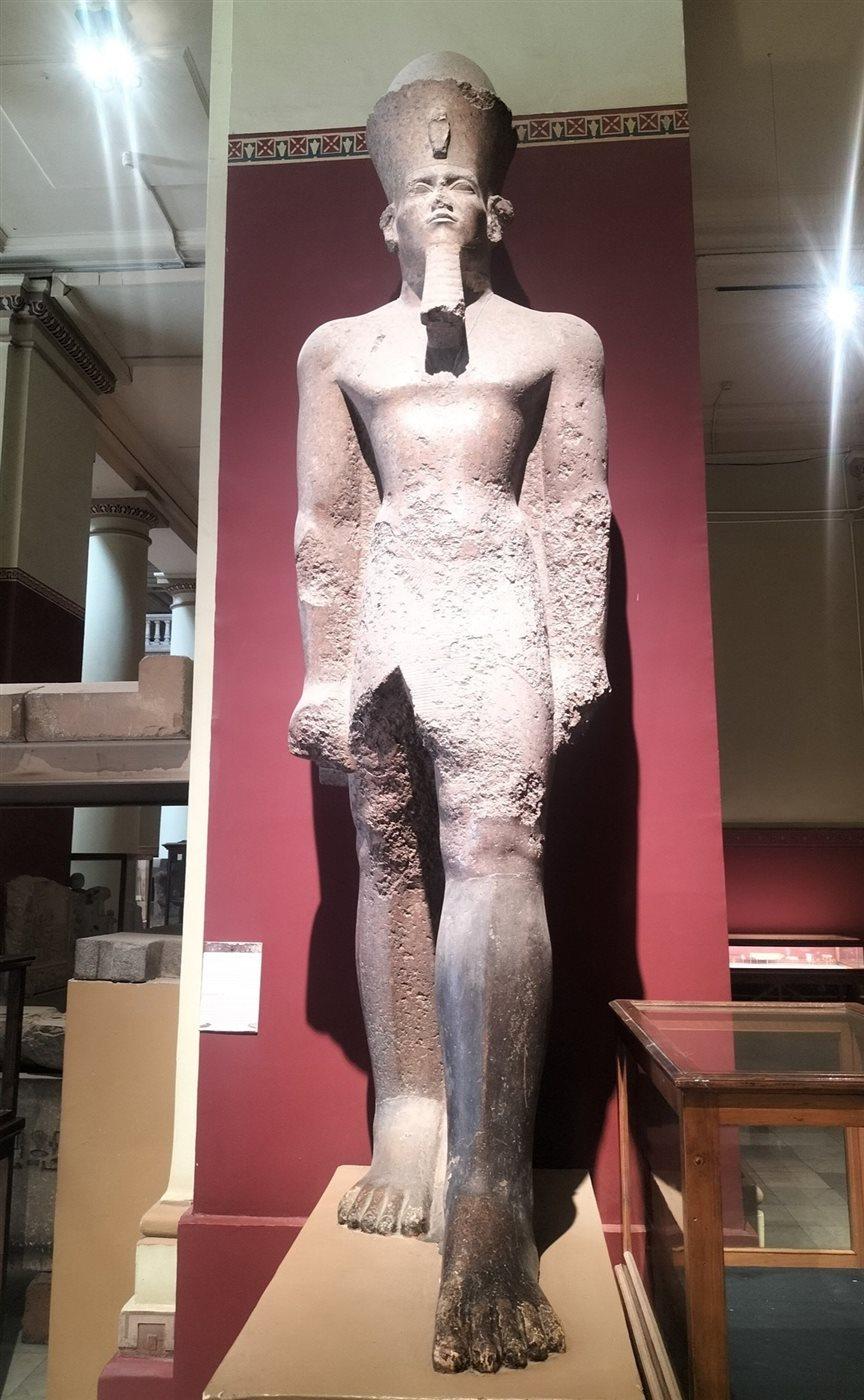
Senusret III's statues are among the most famous examples of Middle Kingdom art.
His face often appears serious.
His eyes can look tired.
His mouth may be slightly downturned.
His expression suggests thought and responsibility.
Why Did Senusret Look Older?
Egyptian royal art traditionally portrayed kings as idealized and youthful.
Senusret III's portraits are different.
Some historians believe the portraits were intended to communicate wisdom, experience, and the burden of kingship.
The king looks like a ruler who has faced difficult responsibilities.
Symbolism of His Face
His facial expression may represent the seriousness of ruling Egypt.
He was a king responsible for military campaigns, administration, religion, and the safety of the country.
His portraits therefore communicate authority through psychological realism rather than youthful perfection.
The King and Maat
Senusret III was expected to maintain maat, the Egyptian concept of order, justice, and balance.
His military campaigns could be presented as protecting Egypt from chaos.
His administrative reforms maintained order inside the country.
His temple building honored the gods.
Together, these actions represented the responsibilities of kingship.
Religious Policies
Religion remained central to Senusret III's reign.
The king supported major temples.
He honored traditional gods.
He maintained relationships with important religious centers.
He also developed a strong connection with Osiris.
Osiris at Abydos
Abydos was one of the most sacred religious centers in Egypt.
It was closely associated with Osiris.
Senusret III constructed a significant complex at Abydos.
The site became associated with his royal cult.
The Abydos Complex
The temple complex at Abydos included chapels and religious structures.
The king's cult was connected with Osiris.
Pilgrims visited Abydos to honor the god and participate in religious traditions.
Deification of Senusret III
After his death, Senusret III became associated with divine worship in Nubia.
He was eventually worshiped as a powerful divine figure.
This was especially important because Egyptian rule in Nubia needed religious as well as military legitimacy.
Senusret III in Nubia
In Nubia, Senusret III was remembered as a powerful ruler.
His image and cult helped reinforce Egyptian authority.
The king became part of the religious landscape of the region.
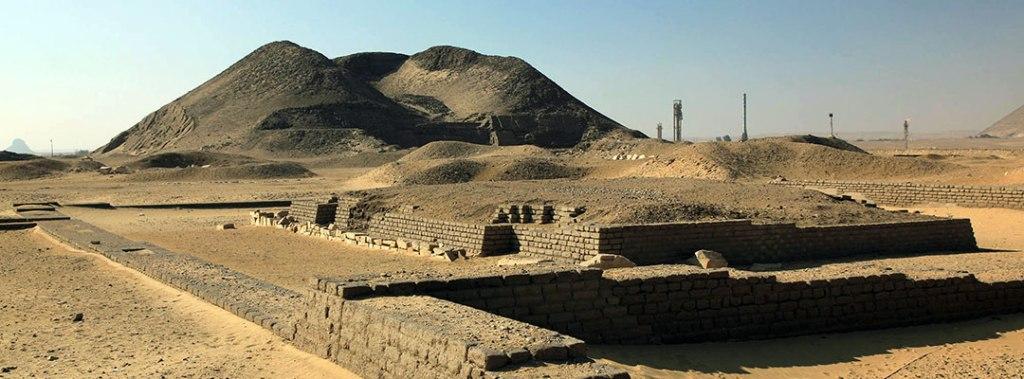
The Pyramid of Senusret III
Senusret III built his pyramid at Dahshur.
The pyramid complex was constructed near the royal pyramids of earlier Twelfth Dynasty rulers.
It represented his connection with the traditions of Egyptian kingship.
The Dahshur Pyramid
The pyramid was originally a substantial royal monument.
Like other Middle Kingdom pyramids, it used a combination of mudbrick and stone.
The outer casing was limestone.
Over time, much of the structure deteriorated.
The Royal Tomb at Abydos
Senusret III also had an impressive funerary complex at Abydos.
Some scholars believe that this may have functioned as an alternative or symbolic burial place.
The connection between the king and Osiris made Abydos particularly important.
Architecture
Senusret III's building projects appeared in several parts of Egypt.
Temples were constructed.
Existing sanctuaries were restored.
Fortresses were expanded.
Royal monuments were built.
These projects demonstrated the resources controlled by the central government.
Temple Construction
The king supported temples dedicated to major gods.
Religious buildings were not only places of worship.
They were also economic institutions.
Temples owned land.
They employed workers.
They received offerings.
They stored resources.
The Economy
Senusret III inherited a prosperous economy.
Agriculture remained the foundation.
The Faiyum was highly productive.
Trade continued with foreign regions.
Nubia supplied gold and luxury materials.
Mining expeditions continued.
The centralized government managed these resources.
Agriculture
The Nile provided fertile agricultural land.
Farmers grew grain and other crops.
The government collected taxes.
The agricultural surplus supported the army and the royal building program.
The Faiyum
The development of the Faiyum continued during Senusret III's reign.
The work of Senusret II had increased the region's productivity.
Senusret III benefited from this agricultural prosperity.
The Faiyum became an important economic center.
International Trade
Egypt remained connected to neighboring regions.
Trade with the Levant provided timber and other goods.
The Red Sea connected Egypt with southern trade routes.
Nubia provided African resources.
Egyptian luxury goods circulated beyond the Nile Valley.
The Levant
The Levant was especially important for timber.
Egypt needed imported wood for ships, furniture, doors, and other structures.
Trade with Levantine communities continued during the Middle Kingdom.
Sinai Mining
Egyptian expeditions continued mining activities in the Sinai.
Turquoise and copper were valuable resources.
The king's administration organized expeditions and protected workers.
The Eastern Desert
The Eastern Desert contained stone and mineral resources.
Egyptian expeditions traveled through difficult terrain.
The government provided supplies and military protection.
The Army and the Economy
The military was expensive.
Soldiers needed food, weapons, clothing, and transportation.
The centralized economy provided the resources necessary to maintain a large army.
Senusret III's administrative reforms therefore supported his military policies.
The Role of Scribes
Scribes were essential to the government.
They recorded taxes.
They documented military campaigns.
They managed supplies.
They wrote official correspondence.
They recorded legal agreements.
The bureaucracy made Senusret III's centralized government possible.
Everyday Life
Despite the king's military fame, most Egyptians lived ordinary lives.
Farmers worked the fields.
Fishermen worked along the Nile.
Craftsmen produced tools and household goods.
Merchants transported products.
Families lived in towns and villages.
The prosperity of the Middle Kingdom supported a relatively complex society.
Women in Middle Kingdom Egypt
Women could own property.
They could inherit wealth.
They could participate in legal transactions.
Documents from Middle Kingdom settlements demonstrate that women had recognized legal rights.
This provides an important contrast with many later societies.
Art and Jewelry
The Twelfth Dynasty produced some of the finest jewelry in Egyptian history.
Goldsmiths created intricate necklaces and bracelets.
Precious stones were carefully shaped.
Royal and elite women wore elaborate ornaments.
Senusret III and Artistic Innovation
Senusret III's portraits were particularly innovative.
The serious expressions on his statues created a new royal image.
Later kings continued to use different forms of realistic representation.
Literature
The Middle Kingdom was one of Egypt's great literary periods.
Works such as the Tale of Sinuhe became classics.
Wisdom literature explored leadership and morality.
Stories reflected the concerns of people living in a centralized kingdom.
The Tale of Sinuhe
The Tale of Sinuhe begins during the reign of Senusret I and describes political events surrounding the royal court.
Although Senusret III was not the central character, the literary tradition of his dynasty helps explain the world in which he ruled.
The King's Reputation
Ancient Egyptians remembered Senusret III as a powerful king.
Later generations viewed him as a model of royal authority.
His military achievements became part of Egyptian historical memory.
Senusret III as a Warrior
His campaigns in Nubia were among the most successful military operations of the Middle Kingdom.
He pushed Egyptian influence farther south.
He established strong defensive borders.
He created a permanent military presence.
Senusret III as a Reformer
His administrative reforms were equally important.
He weakened the provincial aristocracy.
He strengthened royal officials.
He increased central control.
These reforms prevented the rise of competing regional powers.
Senusret III as a Builder
His monuments appeared from Egypt to Nubia.
His pyramid at Dahshur.
His religious complex at Abydos.
His fortresses in Nubia.
His temples and monuments throughout Egypt.
Together, they demonstrate the resources of his government.
The End of His Reign
Senusret III eventually died after a long and successful reign.
His exact age at death is unknown.
He was succeeded by his son, Amenemhat III.
The transition was peaceful.
The Twelfth Dynasty continued.
Amenemhat III
Amenemhat III became one of the most famous economic and agricultural rulers of the Middle Kingdom.
He continued the development of the Faiyum.
He constructed major monuments.
He also benefited from the strong centralized government created by his father.
The Legacy of Senusret III
Senusret III left Egypt stronger than he had found it.
His southern borders were secure.
His administration was centralized.
The provincial governors had lost much of their former independence.
The army was powerful.
The economy was prosperous.
The monarchy was stronger.
His reputation survived for centuries.
Why Senusret III Was Important
Senusret III was important because he combined several roles.
He was a warrior.
He was an administrator.
He was a builder.
He was a religious patron.
He was an economic leader.
He was a political reformer.
Few Egyptian kings combined all these qualities so successfully.
Conclusion
Senusret III stands among the greatest rulers of ancient Egypt.
His reign represented the height of the Middle Kingdom's political and military power.
He inherited a prosperous kingdom from Senusret II.
Instead of allowing the state to remain simply prosperous, he strengthened its institutions and expanded its influence.
His military campaigns in Nubia were among his greatest achievements.
He pushed Egyptian control farther south and created a permanent frontier.
The fortresses at Semna, Uronarti, Buhen, and other locations allowed Egypt to control movement along the Nile and protect its economic interests.
Nubia provided gold, ivory, ebony, and other valuable resources.
Controlling the region therefore strengthened both the Egyptian economy and the security of the kingdom.
Senusret III also transformed Egypt's internal political structure.
The provincial governors had once possessed significant power.
Senusret reduced their independence.
He strengthened the central bureaucracy.
Royal officials became increasingly important.
This created a more centralized state in which the pharaoh had greater direct control.
His administrative reforms were just as important as his military campaigns.
His royal portraits remain some of the most recognizable works of Egyptian art.
Instead of always appearing young and perfect, Senusret III could be shown with a serious, experienced face.
His expression may have symbolized the burden of kingship.
He was responsible for protecting Egypt, maintaining order, managing the economy, and satisfying the gods.
His face communicated the seriousness of those responsibilities.
Religion was another important part of his reign.
Senusret III supported temples and developed an especially strong relationship with Osiris at Abydos.
After his death, his cult became particularly important in Nubia, where he was eventually worshiped as a divine figure.
His monuments also demonstrate the wealth of the Middle Kingdom.
His pyramid at Dahshur was a major royal project.
His complex at Abydos connected his kingship with the cult of Osiris.
The fortresses in Nubia demonstrated the reach of his military power.
The economy that supported these projects was based on agriculture, trade, mining, and control of valuable resources.
The Faiyum remained highly productive.
The Levant supplied timber.
The Sinai supplied turquoise and copper.
The Eastern Desert supplied stone and minerals.
Nubia supplied gold and other African goods.
Senusret III's government coordinated all of these resources.
His reign also benefited from the remarkable cultural achievements of the Twelfth Dynasty.
Art flourished.
Literature flourished.
Scribes became increasingly important.
The bureaucracy became more sophisticated.
The Egyptian state reached a level of organization that would influence later periods.
When Senusret III died, he left behind a kingdom that was stronger, more centralized, and more secure.
His son, Amenemhat III, inherited this powerful state and continued its economic and architectural development.
Senusret III therefore occupies a unique position in Egyptian history.
He was not simply a successful military king.
He was a ruler who understood that military power required economic strength and that economic strength required political organization.
He strengthened all three.
His legacy survived because his achievements affected every major part of Egyptian government.
Senusret III was the great warrior and reformer of the Middle Kingdom—a pharaoh who secured Egypt's southern frontier, centralized royal authority, strengthened the economy, sponsored monumental architecture, and created one of the most powerful states of the ancient world.