Qa'a was one of the earliest rulers of ancient Egypt and is generally considered the eighth and final king of Egypt's First Dynasty. He ruled during the Early Dynastic Period, around the end of the 4th or beginning of the 3rd millennium BCE.
His reign marked the end of one of the most important periods in ancient Egyptian history. The First Dynasty established the foundations of the unified Egyptian state and created many of the political, religious, and administrative traditions that would shape Egypt for thousands of years.
Qa'a inherited a kingdom that had already been ruled by several generations of pharaohs. His reign appears to have been relatively stable, and his tomb at Abydos is one of the best-preserved royal tombs of the First Dynasty.
Who Was Qa'a?
Qa'a was the final ruler of Egypt's First Dynasty.
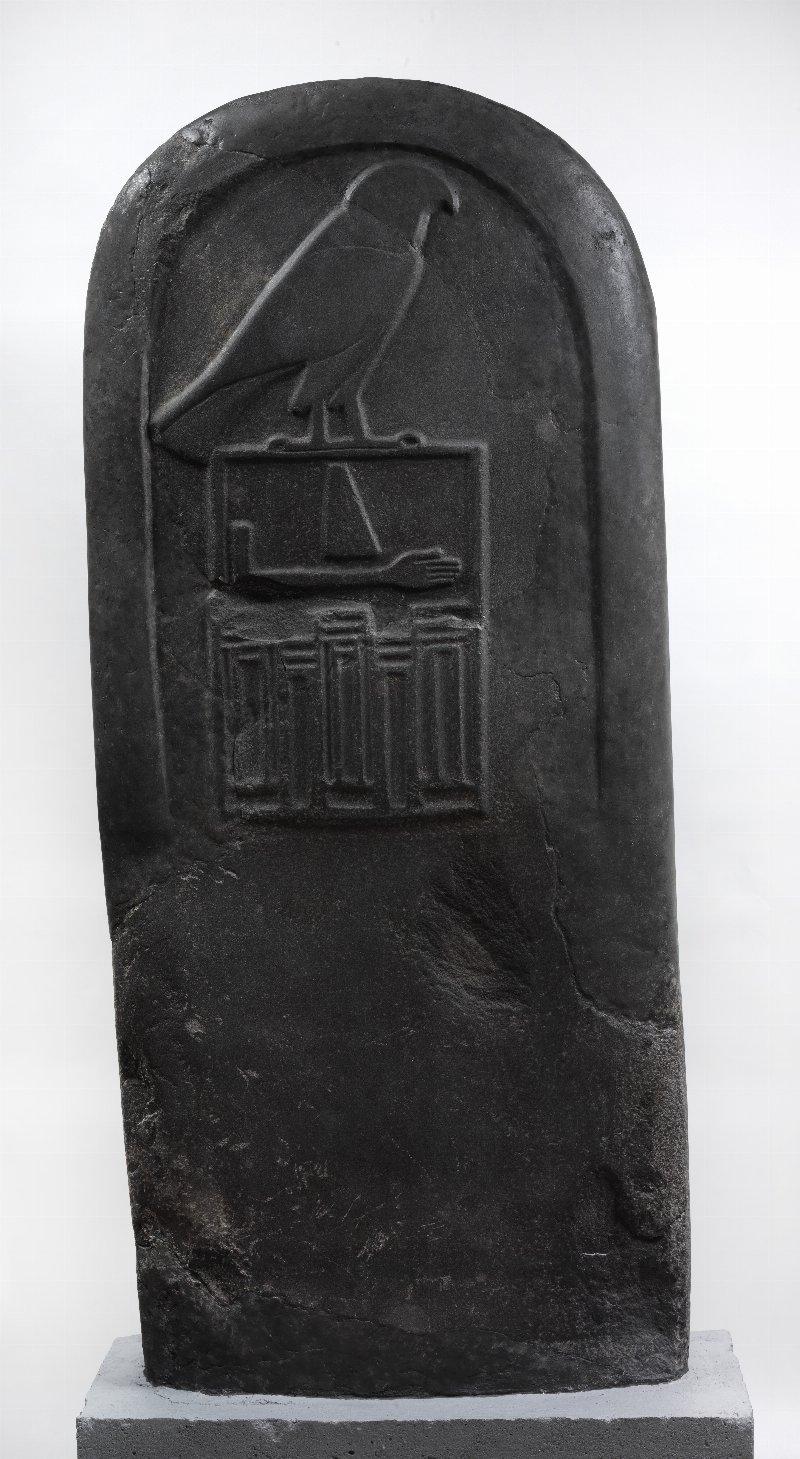
His name is usually written with a hieroglyph that can be translated as something like "High" or "Elevated," although the exact meaning of the name is uncertain.
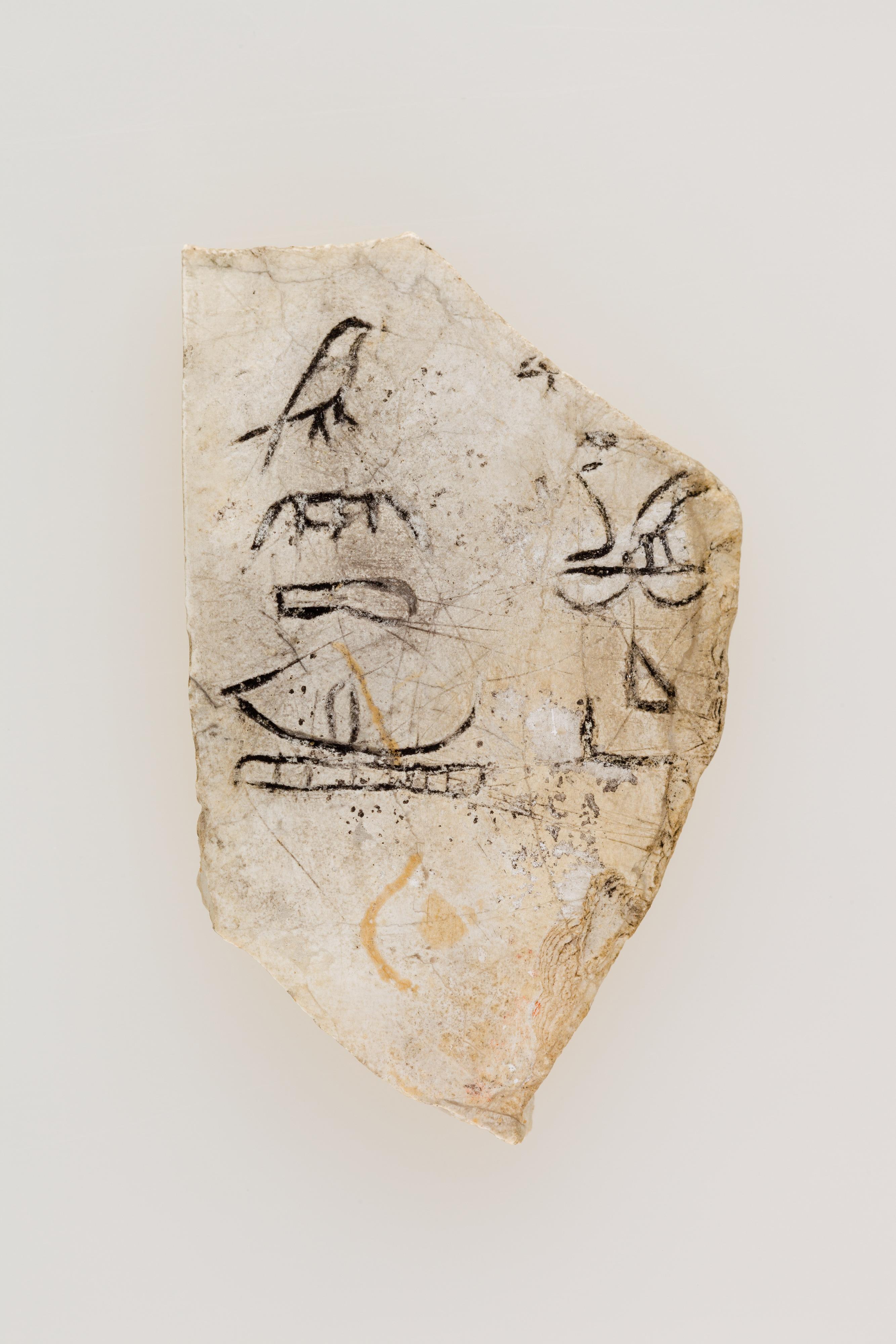
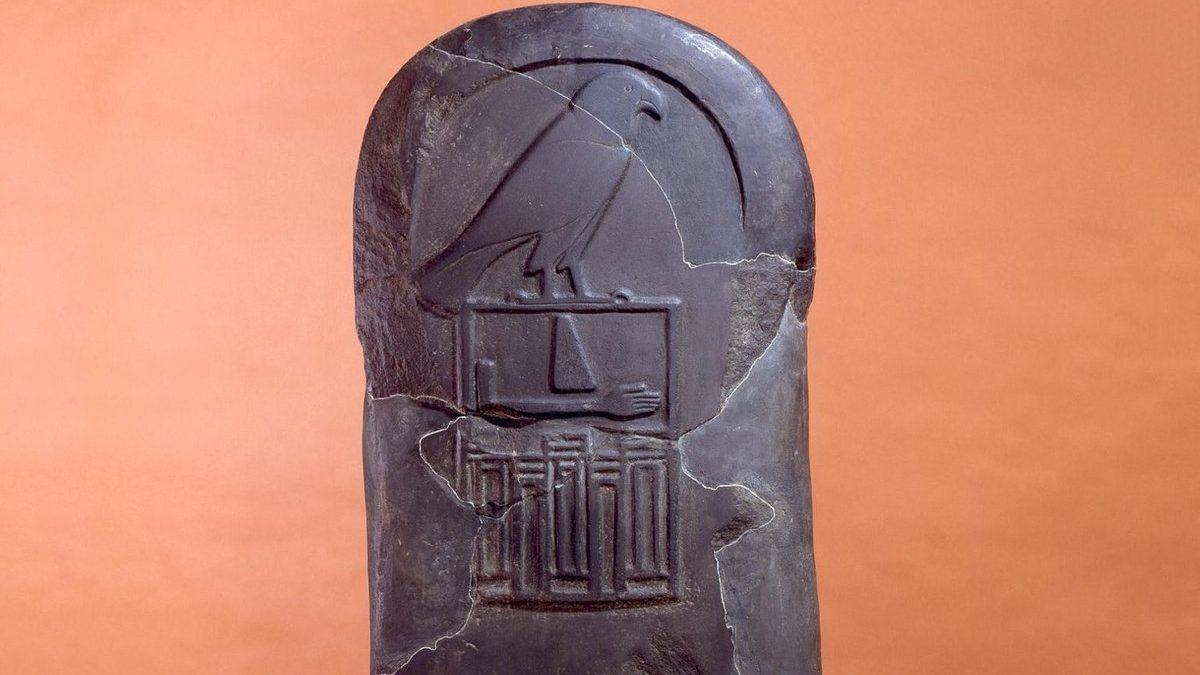
Like earlier kings, Qa'a used a Horus name and was represented within the traditional royal serekh.
The serekh was a rectangular symbol representing the royal palace facade.
A falcon representing Horus stood above it, emphasizing the divine nature of the king.
Qa'a continued this ancient tradition of associating the pharaoh with Horus.
Qa'a and the First Dynasty
The First Dynasty began with the formation of a unified Egyptian kingdom.
Narmer is traditionally associated with the unification of Upper and Lower Egypt.
He was followed by rulers including Hor-Aha, Djer, Djet, Den, Anedjib, and Semerkhet.
Each king contributed to the development of the early Egyptian state.
By the time Qa'a became king, Egypt had already developed a centralized government, a royal administration, religious institutions, agricultural estates, and trade networks.
Qa'a inherited these institutions and appears to have maintained them successfully.
A Stable Kingdom
Compared with some earlier reigns, Qa'a's rule appears to have been relatively stable.
Archaeological evidence suggests that royal authority remained strong.
His name appears on seal impressions and other objects from several sites.
These discoveries demonstrate that the king's administration continued to operate across different regions of Egypt.
The state was becoming increasingly organized.
Officials managed agriculture, taxation, royal estates, trade, and religious activities.
The survival of this system was one of the greatest achievements of the First Dynasty.
Qa'a's Tomb at Abydos
Qa'a's tomb at Abydos, in the cemetery of Umm el-Qa'ab, is one of the most important royal monuments of the First Dynasty.
The tomb is relatively large and carefully constructed.
It contains a central burial chamber surrounded by several smaller rooms.
Stone was used for important architectural elements.
The design demonstrates how royal tomb architecture had developed since the earliest kings of the dynasty.
The tomb was intended to protect the deceased king and support his eternal existence.
It was also part of a larger funerary complex connected with royal religious traditions.
The End of the First Dynasty
Qa'a is particularly important because he was the last king of the First Dynasty.
His death marked the end of the dynasty that had established the foundations of unified Egypt.
However, the transition to the Second Dynasty did not destroy the Egyptian state.
Many of the political and religious traditions continued.
The monarchy remained the central institution of Egyptian society.
The next dynasty would build upon the foundations created during the First Dynasty.
Qa'a's reign therefore represents both an ending and a beginning.
The Transition to the Second Dynasty
The transition from the First Dynasty to the Second Dynasty is an interesting subject for historians.
Later sources do not always agree about the exact sequence of early kings.
Archaeological evidence suggests that the transition was relatively peaceful, although the political situation is not completely understood.
The Second Dynasty continued many traditions established by the First Dynasty.
The king remained connected with Horus.
Royal administration continued to manage the resources of the kingdom.
The royal cemetery at Abydos remained important.
The Egyptian state survived the change of dynasty.
Qa'a and Egyptian Religion
Religion was central to Qa'a's authority.
The king was considered responsible for maintaining maat, the divine order of the universe.
Maat represented balance, justice, harmony, and stability.
The pharaoh had to protect Egypt and ensure that the relationship between humans and the gods remained harmonious.
The king was closely connected with Horus during life.
After death, he became associated with Osiris.
These religious ideas were already developing during the First Dynasty and would become central to Egyptian civilization.
Horus and the Pharaoh
Horus was one of the most important gods associated with Egyptian kingship.
The falcon represented the god and was placed above the royal serekh.
This symbol appeared with the names of early kings, including Qa'a.
The king's connection with Horus communicated his divine authority.
The pharaoh was not simply a political ruler.
He was believed to have a sacred role in maintaining order throughout Egypt.
This concept would continue throughout the history of ancient Egypt.
The Royal Afterlife
The Egyptians believed that the king continued to exist after death.
The royal tomb therefore had an important religious purpose.
The body had to be protected.
Offerings had to be provided.
The king's eternal identity had to be preserved.
Qa'a's tomb at Abydos demonstrates how sophisticated these beliefs had become by the end of the First Dynasty.
The burial complex contained spaces for offerings and funerary equipment.
The architecture was designed to support the king's transition into the afterlife.
Abydos and the Royal Ancestors
Abydos was already an important royal cemetery during the First Dynasty.
Later, it became one of Egypt's greatest religious centers.
The Egyptians associated Abydos with Osiris and believed that the area had a special connection with the afterlife.
The tombs of early kings became part of a sacred landscape.
Later Egyptians respected the ancient rulers buried there.
Qa'a's tomb therefore remained important long after his death.
Qa'a and Early Egyptian Writing
The reign of Qa'a provides evidence about the continued development of Egyptian writing.
Hieroglyphic signs were used to record royal names, titles, administrative information, and religious references.
Seal impressions were especially important.
They could identify officials, royal estates, and administrative institutions.
The increasing use of writing allowed the government to control resources more effectively.
By the end of the First Dynasty, Egyptian administration had become considerably more sophisticated than it had been at the beginning of the dynasty.
Seal Impressions and Administration
Archaeologists have discovered seal impressions bearing Qa'a's name.
These objects were created when a seal was pressed into wet clay.
The resulting impression could identify the person or institution responsible for a container or document.
This system helped prevent unauthorized access and allowed officials to track goods.
The use of seals demonstrates that the Egyptian government had developed organized administrative procedures.
Qa'a's seal impressions therefore provide important evidence of the strength of the state at the end of the First Dynasty.
Qa'a's Economy
The Egyptian economy depended primarily on agriculture.
The annual Nile flood created fertile land suitable for growing crops.
Farmers produced grain and other agricultural products.
The government collected part of this production and redistributed it.
Royal estates supplied food and materials to the palace.
Temples and officials also controlled resources.
This centralized economic system supported the monarchy and allowed Egypt to undertake large projects.
By Qa'a's reign, the system was well established.
Trade and Foreign Relations
Egypt maintained commercial and resource connections with neighboring regions.
Trade routes extended toward Nubia, Sinai, the Eastern Desert, and the Levant.
Egypt needed resources such as copper, turquoise, stone, timber, and other valuable materials.
The government organized expeditions and managed the movement of goods.
These activities increased the wealth of the royal administration.
Qa'a ruled during a period when Egypt's connections with surrounding regions were already well established.
Qa'a and Royal Architecture
The architecture of Qa'a's tomb demonstrates the progress made during the First Dynasty.
Earlier royal tombs were relatively simple.
Over time, burial complexes became larger and more carefully organized.
The use of stone increased.
The design of the tomb became more sophisticated.
These developments prepared the way for the monumental architecture of the Old Kingdom.
Djoser's Step Pyramid at Saqqara would later transform Egyptian royal architecture.
The pyramids of Giza would take this development to an extraordinary level.
Qa'a's tomb represents an important stage in this architectural evolution.
The Importance of Qa'a's Reign
Qa'a's historical importance comes from his position at the end of the First Dynasty.
He inherited the political system created by his predecessors.
His reign appears to have maintained the stability of the unified kingdom.
His tomb and inscriptions demonstrate the maturity of early Egyptian royal traditions.
The state had developed sophisticated systems of government, writing, religion, trade, and burial.
Qa'a therefore represents the successful conclusion of the First Dynasty.
Qa'a's Legacy
Qa'a left a lasting legacy through the continuation of royal traditions.
His reign helped preserve the centralized Egyptian monarchy.
The religious association between the pharaoh and Horus continued.
The royal burial traditions developed at Abydos continued.
Administrative writing and sealing systems remained essential.
The idea of the king as ruler of the unified Egyptian state also survived.
The Second Dynasty and later dynasties would build upon these foundations.
From the First Dynasty to the Great Pyramids
The achievements of the Old Kingdom can be traced back to the early dynasties.
The First Dynasty established political unity.
The royal administration became increasingly sophisticated.
Religious traditions became closely connected with kingship.
Royal tombs became increasingly elaborate.
Stone architecture gradually developed.
During the Third Dynasty, Djoser's Step Pyramid transformed royal architecture.
During the Fourth Dynasty, Sneferu developed new pyramid designs, followed by the construction of the great pyramids at Giza.
The monumental achievements of later Egypt were therefore the result of a long process.
Qa'a stood near the beginning of this remarkable story.
Qa'a in Ancient Egyptian History
Qa'a may not be one of the most famous Egyptian pharaohs today.
Visitors are more likely to recognize names such as Tutankhamun, Ramses II, Cleopatra, or Hatshepsut.
However, Qa'a belongs to a much earlier and equally important period.
He ruled when the basic institutions of pharaonic civilization were being established.
Without the political and administrative developments of the First Dynasty, later Egypt might not have been capable of achieving the monumental accomplishments for which it became famous.
Qa'a was therefore an important link between the earliest rulers of unified Egypt and the powerful kingdoms that followed.
Conclusion
Qa'a was the final king of Egypt's First Dynasty and one of the earliest rulers of the unified Egyptian kingdom.
His reign marked the conclusion of a dynasty that had established many of the traditions that would define ancient Egypt.
Qa'a's tomb at Abydos is an important example of early Egyptian royal architecture.
The tomb demonstrates the growing complexity of royal burial traditions and the importance of the afterlife.
Archaeological evidence from his reign also shows the continued development of writing, administration, economic organization, and royal authority.
Although little is known about Qa'a's personal life, his historical position is extremely important.
He inherited a kingdom that had been shaped by generations of early pharaohs and successfully maintained the institutions of the First Dynasty.
When his reign ended, the First Dynasty came to an end, but the Egyptian state continued.
The Second Dynasty inherited many of its political and religious traditions, while later dynasties expanded them into an extraordinary civilization.
Qa'a lived thousands of years before the Great Pyramid of Giza, the temples of Karnak, and the tombs of the Valley of the Kings.
Yet his reign was part of the foundation upon which those monuments were built.
As the last pharaoh of the First Dynasty, Qa'a stands at the end of Egypt's earliest royal era and at the beginning of the long historical journey that would make ancient Egypt one of the greatest civilizations of the ancient world.