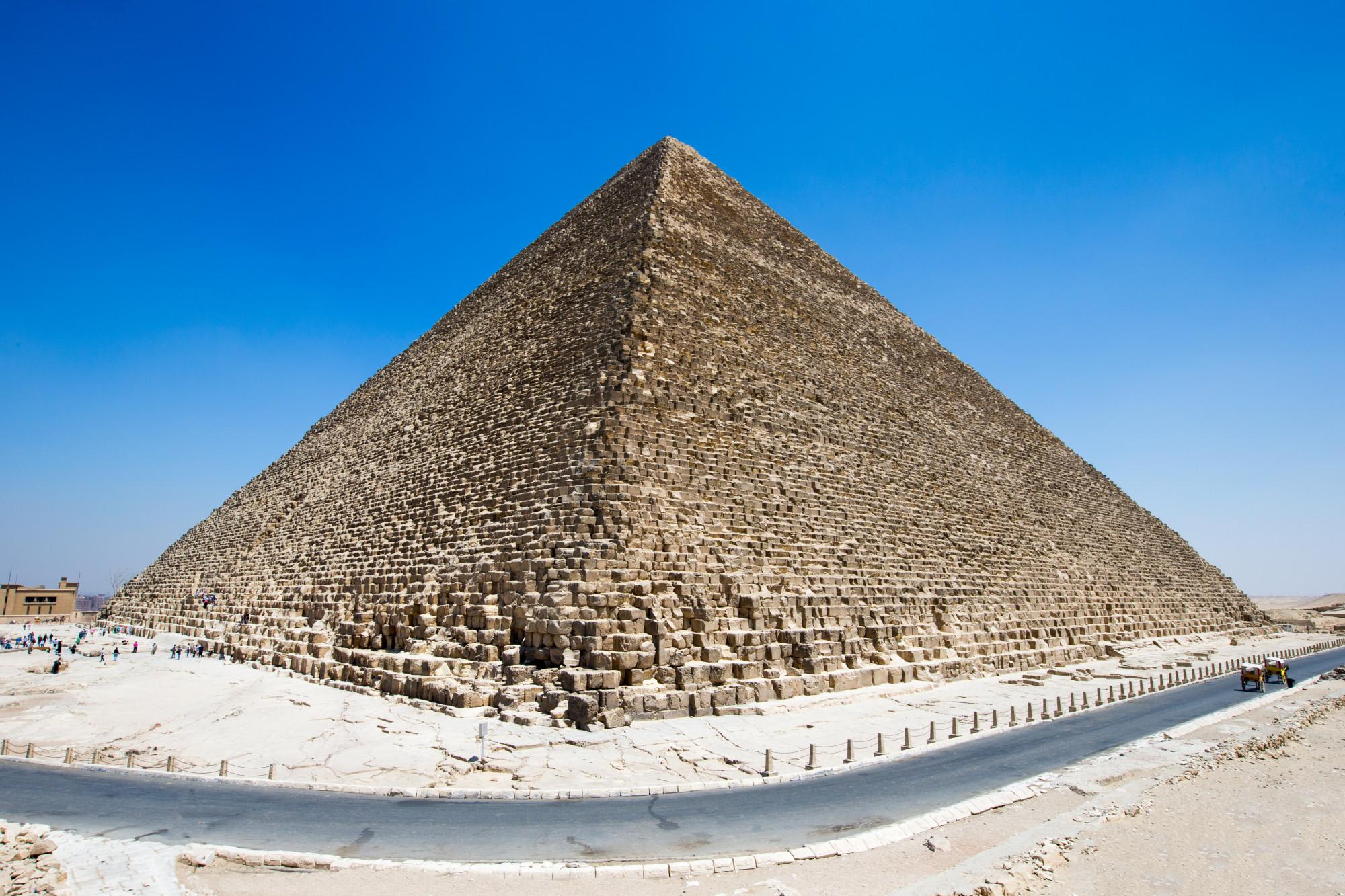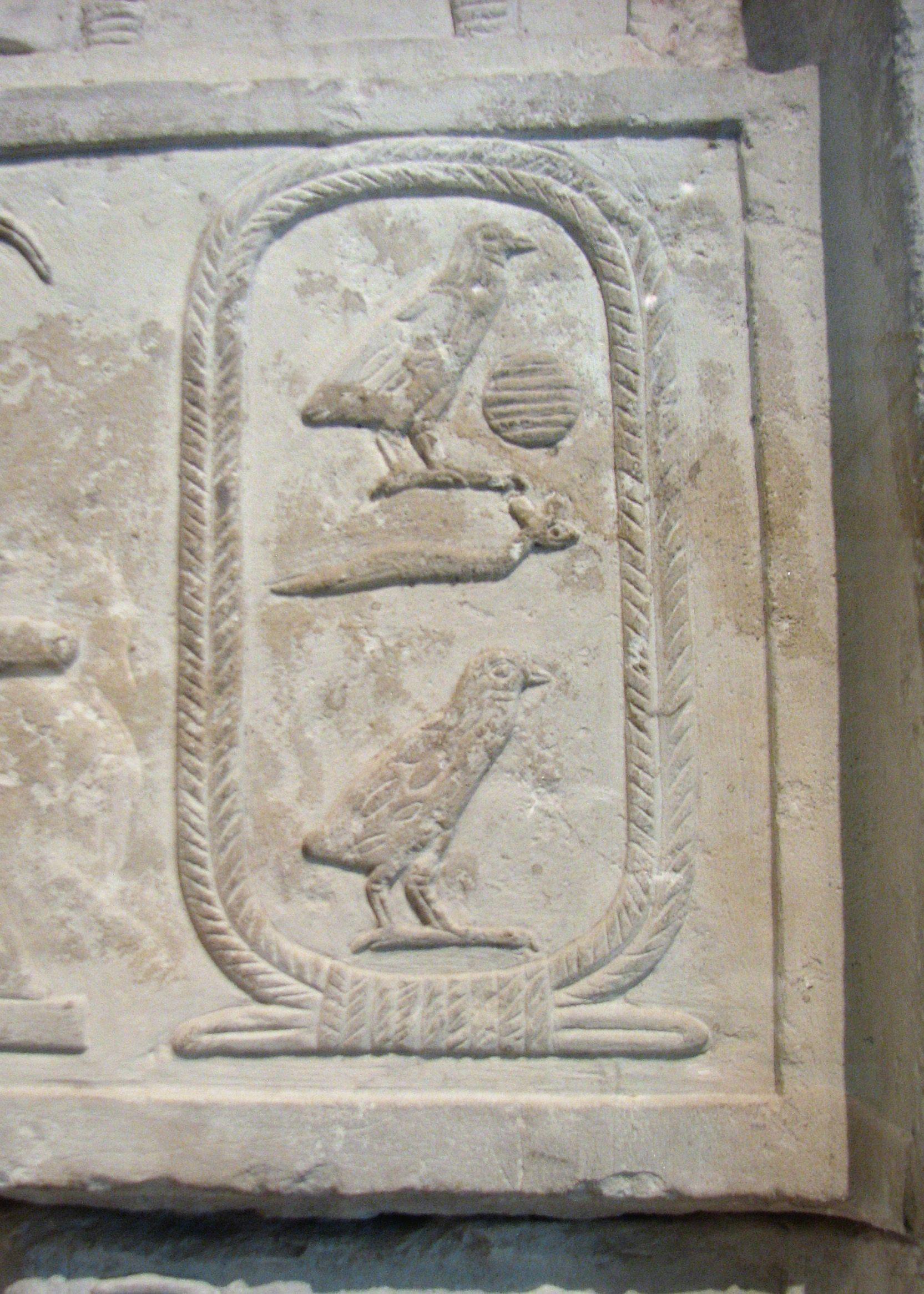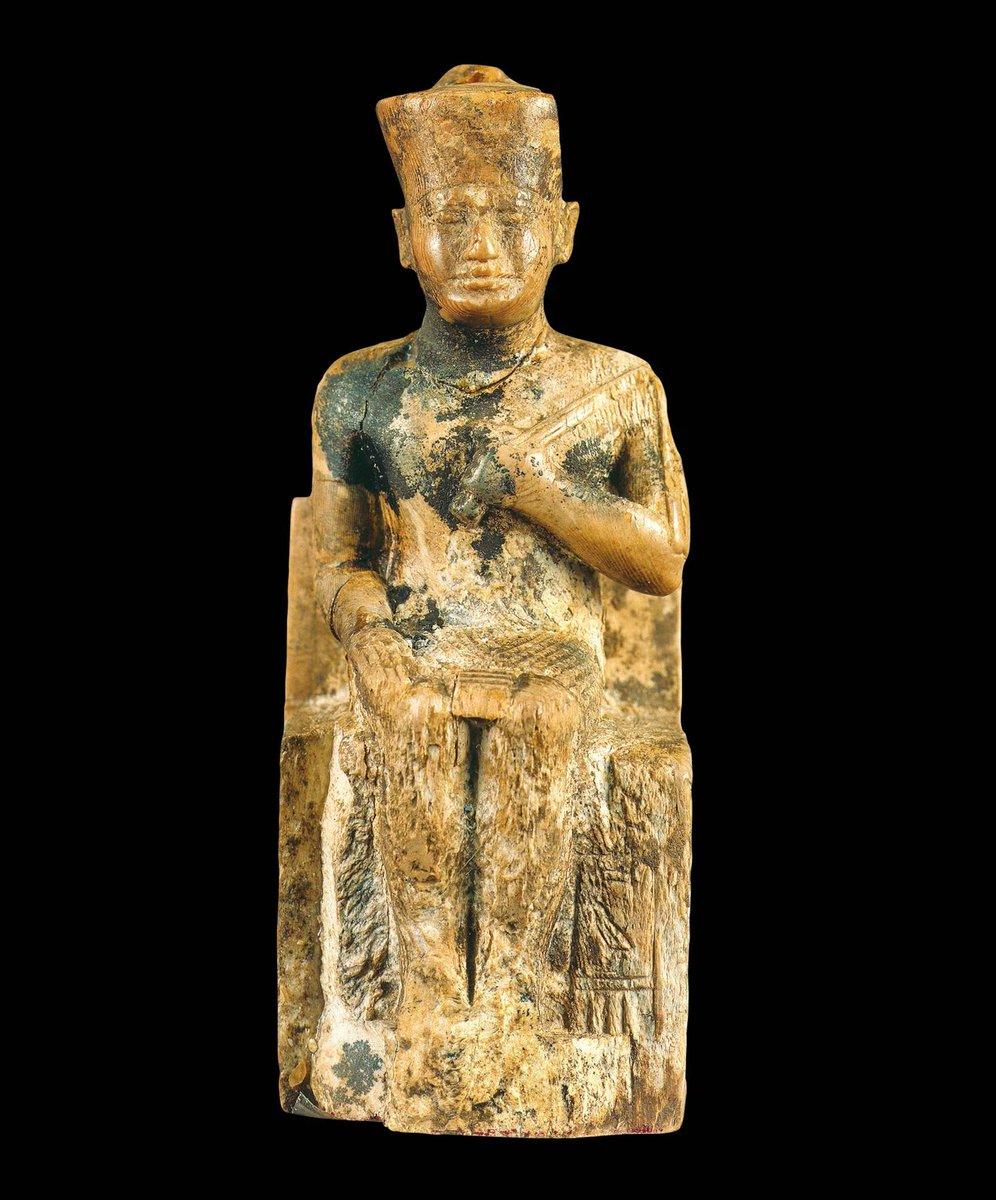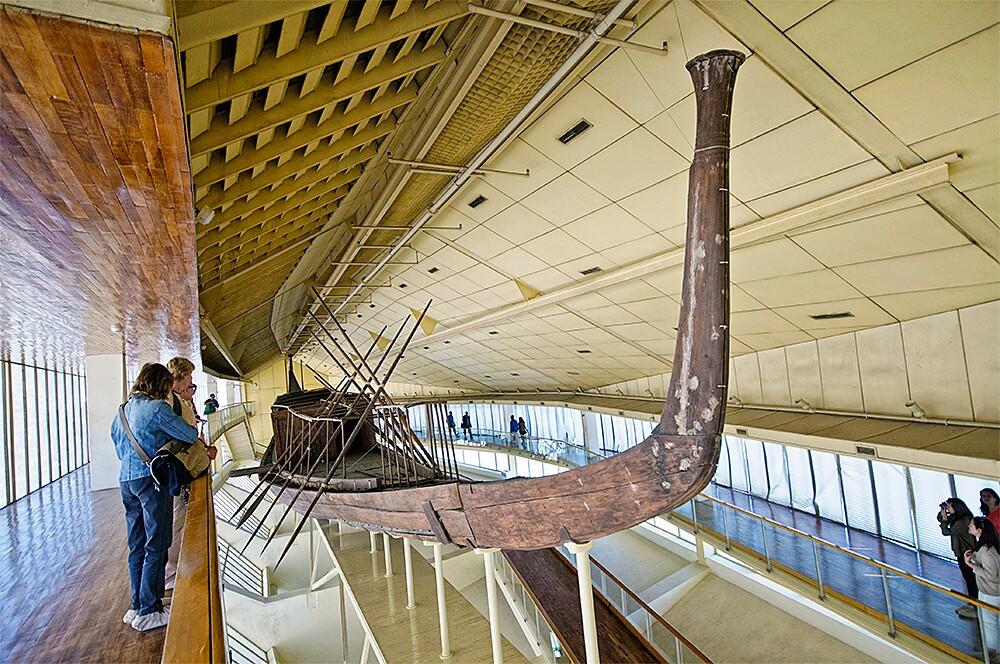
Khufu, also known by his Greek name Cheops, was one of the most famous pharaohs in ancient Egyptian history. He ruled during the Fourth Dynasty of the Old Kingdom, around the 26th century BCE, and is best remembered as the king who commissioned the Great Pyramid of Giza.
The Great Pyramid is one of the most extraordinary monuments ever constructed. For thousands of years, it remained the tallest human-made structure in the world. It is also the only surviving monument of the Seven Wonders of the Ancient World.
Although Khufu is famous today, surprisingly little is known about his personal life. Only a small number of objects bearing his name have survived. Most of his historical importance comes from the enormous monument built at Giza during his reign.
Who Was Khufu?
Khufu was the son of Pharaoh Sneferu, one of the greatest builders of the Old Kingdom.
His mother is generally identified as Hetepheres I, a prominent royal woman whose burial equipment was discovered near Giza.
Khufu succeeded his father and became the second ruler of Egypt's Fourth Dynasty.
His full ancient Egyptian name was Khnum-Khufu, meaning approximately “Khnum Protects Me.”
Khnum was an ancient Egyptian creator god associated with the Nile and the shaping of human beings.
The name demonstrates the close connection between Egyptian kingship and religion.
Khufu's Greek name, Cheops, became famous through later Greek historians.
Egypt During Khufu's Reign
When Khufu became king, Egypt was already a powerful centralized state.
His father Sneferu had expanded royal authority and developed new methods of pyramid construction.
Sneferu built several major pyramids, including the Bent Pyramid and Red Pyramid at Dahshur.
Khufu inherited this architectural knowledge.
He also inherited a highly organized administration capable of collecting agricultural resources, managing workers, transporting stone, and organizing enormous construction projects.
Khufu used these resources to create his greatest achievement.
The Great Pyramid of Giza
The Great Pyramid of Giza was built as Khufu's royal tomb.
The pyramid originally stood at approximately 146.6 meters high.
Over thousands of years, the outer limestone casing was removed or lost, reducing its current height.
The original pyramid was covered with smooth, polished limestone.
Under the bright Egyptian sun, the surface would have reflected sunlight and made the monument appear brilliant.
The pyramid was constructed from millions of stone blocks.
Most of the core blocks were limestone, while granite was used in important interior chambers.
How Was the Great Pyramid Built?
The construction of the Great Pyramid remains one of the greatest engineering achievements of the ancient world.
The Egyptians had no modern cranes, trucks, or steel machinery.
Instead, they relied on human labor, sledges, boats, ramps, ropes, levers, and careful planning.
Workers quarried limestone from nearby sources.
Large quantities of stone were transported across the Nile and moved toward the construction site.
Granite blocks used in the internal chambers came from Aswan, hundreds of kilometers south of Giza.
The transportation and organization of these materials required an enormous administrative system.
The Workers of Giza
For many years, popular stories claimed that the pyramids were built by slaves.
Archaeological discoveries at Giza provide a different picture.
Excavations have revealed a large settlement for workers, including houses, bakeries, storage facilities, workshops, and areas associated with food production.
Evidence suggests that many pyramid workers were organized laborers, craftsmen, and seasonal agricultural workers.
They received food and other necessities from the state.
The workforce was highly organized.
Different teams were responsible for quarrying, transportation, construction, and supporting activities.
The Great Pyramid's Design
The Great Pyramid was carefully designed.
Its four sides are aligned remarkably closely with the four cardinal directions.
The monument originally had a smooth outer surface.
Its internal architecture includes several important chambers and passageways.
These include the King's Chamber, the Grand Gallery, and the Queen's Chamber.
There are also narrow shafts extending through parts of the structure.
Their exact purpose has been debated.
Some may have had symbolic or religious functions.
The King's Chamber
The King's Chamber is located inside the upper section of the pyramid.
It was constructed using large blocks of red granite.
The chamber contains a granite sarcophagus.
The chamber was designed as part of the king's funerary complex.
The massive granite construction demonstrates the technical abilities of Fourth Dynasty architects and craftsmen.
Above the King's Chamber are several relieving chambers.
These were designed to help distribute the enormous weight of the stone above the burial chamber.
The Grand Gallery
The Grand Gallery is one of the most impressive internal features of the Great Pyramid.
It is a long, steep passage with corbelled walls.
The construction required precise cutting and placement of enormous limestone blocks.
The purpose of the Grand Gallery remains debated.
It was clearly an important part of the pyramid's internal design, but its exact function is still uncertain.
Modern discoveries continue to reveal new information about the pyramid's internal structure.
Khufu's Solar Boats
Another extraordinary discovery connected with Khufu was the Khufu Solar Boat.
A large wooden boat was discovered buried near the Great Pyramid.
The vessel was carefully dismantled and later reconstructed.
It is one of the most remarkable surviving examples of ancient Egyptian boat construction.
The exact function of the boat has been debated.
It may have been connected with the king's journey into the afterlife and the solar cycle.
The discovery demonstrates the importance of boats in Egyptian religious beliefs.
The Solar Religion
During the Fourth Dynasty, the worship of the sun god Ra became increasingly important.
The pharaoh was associated with the solar cycle.
Egyptian religious beliefs connected the king's death with a journey into the afterlife.
The pyramid itself may have had symbolic connections with the rays of the sun.
Its shape rises toward the sky, reflecting the importance of solar symbolism in Old Kingdom royal religion.
Khufu's Pyramid Complex
The Great Pyramid was not an isolated structure.
It was part of a large funerary complex.
The complex included a mortuary temple, a valley temple, a long causeway, subsidiary pyramids, boat pits, and cemeteries for members of the royal family and officials.
The entire complex was designed to support the king's eternal existence.
Priests performed rituals and offerings after the king's death.
The Great Pyramid and Ancient Astronomy
The orientation of the Great Pyramid is remarkable.
Its sides are aligned extremely closely with the cardinal directions.
The builders achieved this without modern surveying equipment.
Egyptian astronomers could observe the stars and use them for orientation.
The northern sky was particularly important in Egyptian beliefs because certain stars appeared never to disappear below the horizon.
These “circumpolar stars” may have been associated with the eternal existence of the king.
Khufu's Government
A monument as large as the Great Pyramid required a powerful government.
Khufu's administration managed agriculture, taxation, labor, transportation, stone quarrying, and religious institutions.
Officials controlled royal estates and organized supplies.
The state needed to provide food for thousands of workers.
This included grain, meat, fish, vegetables, and beer.
The ability to maintain such a system demonstrates the strength of the Old Kingdom bureaucracy.
Trade and Expeditions
Khufu's Egypt maintained connections with neighboring regions.
Copper and turquoise were obtained from Sinai.
Stone was quarried from different parts of Egypt.
Granite came from Aswan.
Timber and other valuable materials were obtained through trade with regions beyond Egypt.
These networks allowed Khufu's administration to acquire the resources required for construction and royal ceremonies.
Khufu's Family
Khufu's royal family was large.
He had several wives and many children.
His sons included important figures of the Fourth Dynasty.
One of his sons, Djedefre, succeeded him.
Another important son was Khafre, who later built the second major pyramid at Giza.
Khufu's daughters also played important roles in the royal family.
The Fourth Dynasty became one of the most powerful royal families in Egyptian history.
Djedefre
After Khufu's death, his son Djedefre became king.
Djedefre built his pyramid at Abu Rawash, north of Giza.
His reign was relatively short compared with some other Fourth Dynasty rulers.
He continued the royal tradition of monumental construction.
Khafre
Khufu was eventually followed by Khafre, another famous ruler.
Khafre constructed the second-largest pyramid at Giza.
Khafre's pyramid still retains some of its original casing stones near the top.
His funerary complex is also associated with the Great Sphinx of Giza.
The exact date and builder of the Sphinx remain subjects of scholarly discussion, although it is traditionally associated with Khafre's reign.
Khufu in Ancient Historical Sources
Khufu was remembered by later Egyptians and foreign writers.
The Greek historian Herodotus, writing more than two thousand years after Khufu's reign, described him as a harsh ruler.
However, Herodotus lived extremely long after Khufu and relied on stories and traditions available in his own time.
His account should therefore be treated cautiously.
Archaeological evidence does not provide a simple picture of Khufu as a cruel ruler.
The massive organization required for his pyramid demonstrates the complexity of his administration.
The Westcar Papyrus
Another famous literary source is the Westcar Papyrus.
It contains stories about Khufu and his royal court.
The stories are not contemporary historical records.
They were written much later.
Nevertheless, they demonstrate that Khufu remained an important figure in Egyptian cultural memory.
In these stories, he is presented as a king interested in supernatural knowledge and remarkable events.
Khufu's Historical Reputation
Khufu's reputation has changed over time.
To ancient Egyptians, he was a powerful pharaoh who commissioned a monumental royal tomb.
To Greek writers, he became a legendary king.
To modern historians, he is one of the most important figures in the development of ancient engineering.
Today, millions of people visit the Great Pyramid every year.
The monument remains one of humanity's most recognizable structures.
The Legacy of the Great Pyramid
The Great Pyramid survived for thousands of years.
It remained the tallest human-made structure for more than 3,800 years.
Its construction demonstrates the achievements of ancient Egyptian engineering, mathematics, administration, and craftsmanship.
The monument also represents the enormous power of Old Kingdom kingship.
Khufu was able to mobilize resources on a scale rarely seen in the ancient world.
Why Khufu Matters
Khufu is important not only because he built the Great Pyramid.
His reign represents the peak of the early development of Egyptian centralized government.
The pyramid project required:
- Advanced engineering
- Large-scale quarrying
- Transportation systems
- Skilled craftsmen
- Agricultural management
- Administrative organization
- Religious planning
- Astronomical knowledge
All these elements came together in one extraordinary monument.
Conclusion
Khufu, also known as Cheops, was one of ancient Egypt's greatest pharaohs.
He ruled during the Fourth Dynasty and inherited a powerful kingdom from his father, Sneferu.
His greatest achievement was the construction of the Great Pyramid of Giza, one of the most extraordinary monuments ever created.
The pyramid was not simply a massive tomb.
It was the center of a complex religious and architectural system designed to ensure the king's eternal existence.
Its construction required millions of stone blocks, highly organized workers, skilled craftsmen, engineers, architects, priests, and administrators.
Khufu's reign also saw extensive trade, resource expeditions, and the development of a sophisticated royal bureaucracy.
His family continued to dominate Egypt after his death.
His successors Djedefre and Khafre continued the tradition of monumental pyramid construction, while the Fourth Dynasty became famous for the great pyramids of Giza.
Although later writers sometimes portrayed Khufu negatively, archaeological evidence gives us a much more complex picture.
He was a powerful ruler who presided over one of the greatest construction achievements in human history.
The Great Pyramid remains Khufu's greatest legacy. Standing on the Giza Plateau for more than four millennia, it continues to demonstrate the extraordinary ambition, organization, engineering, and creativity of ancient Egyptian civilization.