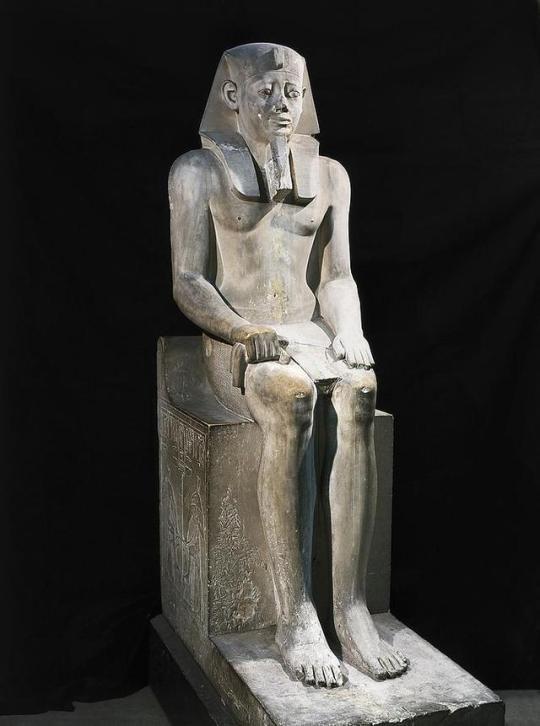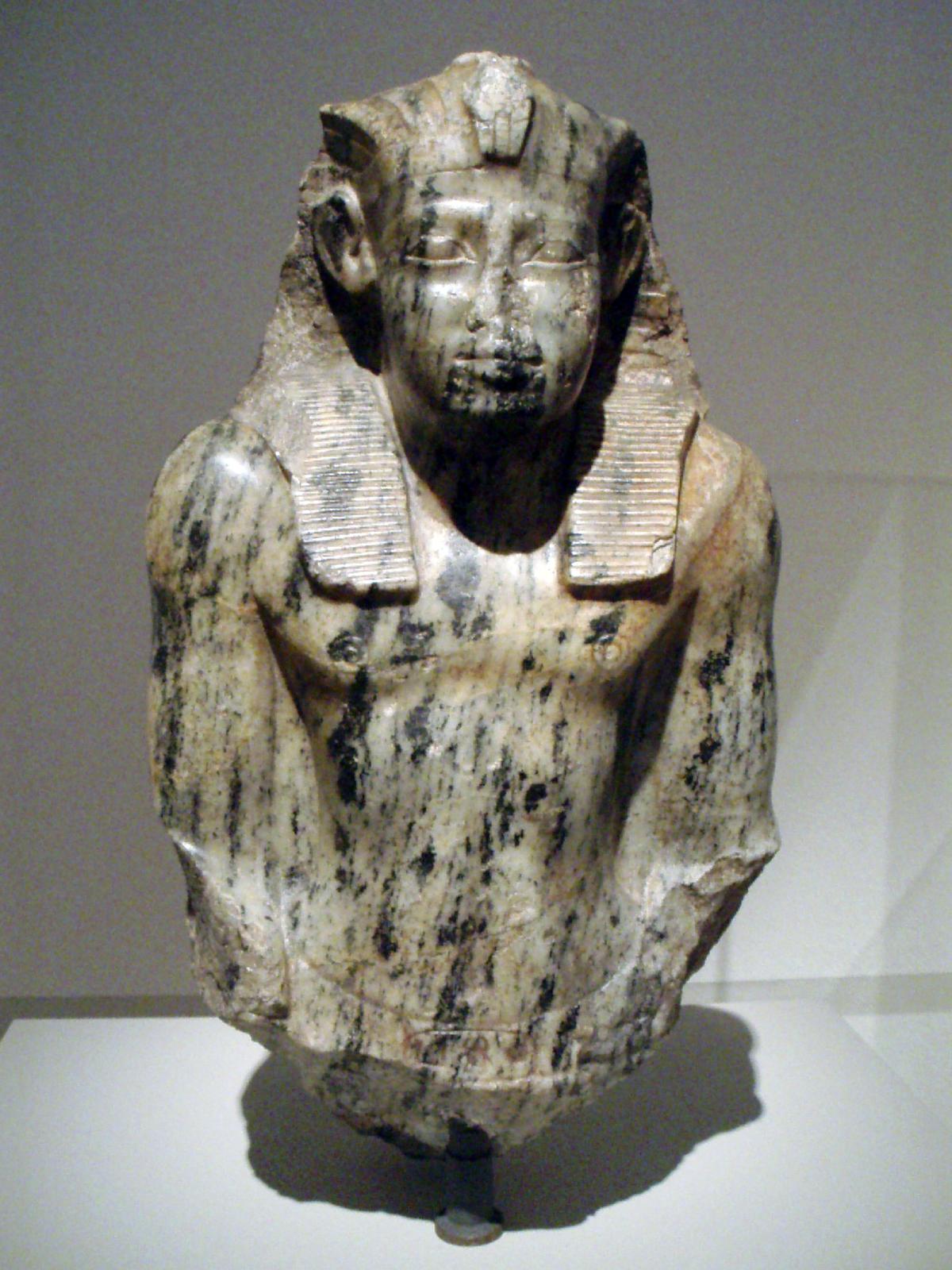
Senusret I, also known as Kheperkare Senusret I, was one of the most successful rulers of Egypt's Twelfth Dynasty. He ruled during the Middle Kingdom, a period often considered one of the greatest eras of ancient Egyptian civilization. His reign was marked by military expansion, economic growth, ambitious building projects, religious development, and a strong centralized government.
Senusret I was the son of Amenemhat I, the founder of the Twelfth Dynasty. He became co-regent with his father before eventually succeeding him as king. This arrangement helped create a smooth transition of power and allowed Senusret to continue his father's policies.
His reign lasted for more than four decades, giving him enough time to strengthen Egypt and establish himself as one of the most powerful kings of the Middle Kingdom.
Senusret I's story is one of expansion and stability. He inherited a strong kingdom and transformed it into an even more organized and influential state.
Egypt Before Senusret I
Senusret I was born during a period of political recovery.
Several generations earlier, Egypt had been divided during the First Intermediate Period.
The rulers of Thebes eventually reunited the country.
Mentuhotep II established the Middle Kingdom.
The later kings of the Eleventh Dynasty strengthened the kingdom.
Then Amenemhat I founded the Twelfth Dynasty.
Amenemhat moved the royal residence toward the north and created a stronger centralized administration.
Senusret inherited this system.
His task was to protect and expand it.
The Son of Amenemhat I
Senusret was the son of Amenemhat I.
Before becoming sole ruler, he served as co-regent with his father.
This was an important political strategy.
Amenemhat understood the dangers of succession.
The First Intermediate Period had demonstrated how quickly Egypt could become divided when royal authority was weak.
By appointing Senusret as co-regent, Amenemhat ensured that his son would already have political experience.
Senusret participated in military campaigns and government affairs while his father was still alive.
The Death of Amenemhat I
Amenemhat I was eventually assassinated.
The details are preserved in the literary work known as the Instructions of Amenemhat.
According to the story, Senusret was away from the royal palace when his father was killed.
Because Senusret was already co-regent, he was able to take control of the government.
The transition did not destroy the dynasty.
Instead, Senusret became one of the strongest rulers of the Middle Kingdom.
A King of Long Reign
Senusret I ruled for approximately four decades.
His long reign gave him time to complete major projects.
He strengthened the military.
He expanded Egyptian influence in Nubia.
He developed trade.
He sponsored temples.
He built monuments throughout Egypt.
He also maintained the administrative system established by his father.
Strengthening Central Authority
One of Senusret's most important achievements was maintaining centralized royal authority.
The provincial governors were no longer as independent as they had been during the First Intermediate Period.
The king controlled taxation and labor.
Royal officials supervised important regions.
The government maintained records of agricultural production.
The bureaucracy became increasingly sophisticated.
The Capital at Itjtawy
Senusret continued to use the royal residence established by his father at Itjtawy.
The capital was strategically located near the Faiyum and the transition between Upper and Lower Egypt.
This allowed the king to control the entire country more effectively.
Thebes remained an important religious center, but political power was more centralized in the north.
Military Expansion in Nubia
One of Senusret I's most important policies was expansion into Nubia.
Nubia was located south of Egypt.
It was rich in gold and other valuable resources.
It also provided access to trade routes leading deeper into Africa.
For these reasons, controlling Nubia was extremely important to Egyptian kings.
Senusret launched military campaigns and strengthened Egyptian authority in the region.
The Southern Frontier
Senusret's military activities helped establish a stronger Egyptian presence south of the traditional frontier.
Egyptian forces occupied strategic locations.
Fortifications and administrative centers were developed.
These measures protected trade routes and resources.
Later Twelfth Dynasty kings would expand this system even further.
Trade With Nubia
Nubia was not simply a military target.
It was also an important trading region.
Egypt obtained gold, ivory, ebony, animal products, and other valuable materials.
Trade with Nubia enriched the Egyptian economy.
Senusret's policies helped ensure that these resources could reach Egypt safely.
Trade With Punt
Senusret I also maintained Egypt's interest in the distant land of Punt.
Punt was famous for incense and aromatic products.
These materials were highly valued by Egyptian temples.
They were used during religious ceremonies.
Maintaining access to these luxury goods strengthened Egypt's international trade.
The Eastern Desert
The Eastern Desert remained an important economic region.
Egyptian expeditions traveled through the desert to obtain stone and minerals.
Routes such as Wadi Hammamat connected the Nile Valley with the Red Sea.
Senusret continued the expeditionary traditions of his predecessors.
Quarrying Projects
Stone was essential for royal architecture.
Senusret ordered quarrying projects throughout Egypt.
Stone was transported from distant locations.
Large blocks were moved by workers and transported along the Nile.
The ability to obtain and transport stone demonstrated the power of the centralized government.
The White Chapel
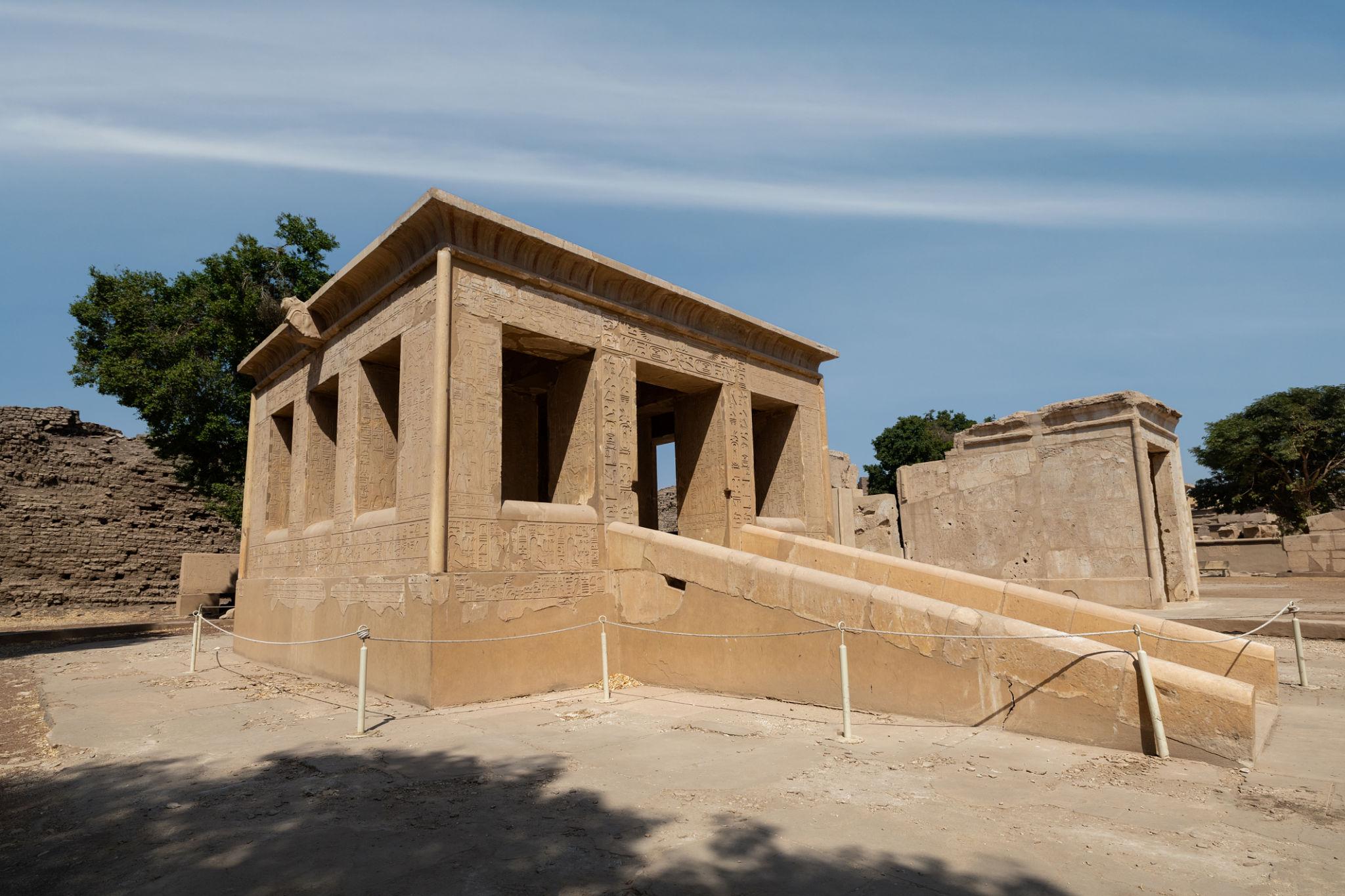
One of Senusret I's most famous monuments is the White Chapel, originally constructed at Karnak.
The chapel was made from high-quality limestone.
Its reliefs include detailed representations of Egyptian provinces and religious scenes.
The monument demonstrates the artistic and architectural sophistication of the Middle Kingdom.
The White Chapel at Karnak
The White Chapel was associated with the religious traditions of Amun at Karnak.
It may have been used as a ceremonial station during religious festivals.
Its inscriptions provide valuable information about the geography of Egypt.
The reliefs identify different regions and nomes.
This makes the monument important not only architecturally but also historically.
The Temple of Amun
Senusret I was an important supporter of the temple of Amun at Karnak.
During his reign, the temple complex became increasingly significant.
The relationship between the monarchy and Amun would grow stronger during later periods.
Eventually, Amun would become one of the most powerful gods in Egypt.
Senusret helped strengthen this religious tradition.
Religious Authority
Religion was central to Senusret's kingship.
The pharaoh was believed to maintain maat.
He was responsible for maintaining harmony between the human world and the gods.
Temples received offerings.
Priests performed rituals.
The king sponsored construction to demonstrate his devotion.
The God Amun
Amun was especially important in Thebes.
Senusret's support for Amun strengthened the relationship between the royal court and Theban religious institutions.
The king also supported other major Egyptian gods.
Religious architecture became one of the defining features of his reign.
Osiris
The worship of Osiris also became increasingly important during the Middle Kingdom.
Osiris was associated with death, resurrection, and the afterlife.
His cult at Abydos was especially important.
Senusret supported religious activities connected with Osiris.
This helped strengthen the relationship between royal ideology and funerary religion.
Building Across Egypt
Senusret I was one of the most active builders of the Middle Kingdom.
His monuments appeared in different regions.
Temples were built or restored.
Statues were commissioned.
Religious complexes were expanded.
His building program demonstrated that the king controlled resources throughout Egypt.
The Pyramid of Senusret I
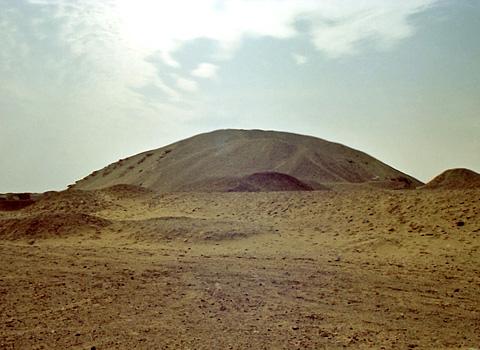
Senusret built his pyramid at Lisht, near the royal capital.
The pyramid complex continued the architectural tradition established by Amenemhat I.
The complex included a pyramid, mortuary temple, causeway, and other structures.
Although much of the pyramid has been destroyed, the site remains important for understanding Middle Kingdom royal architecture.
Royal Statues
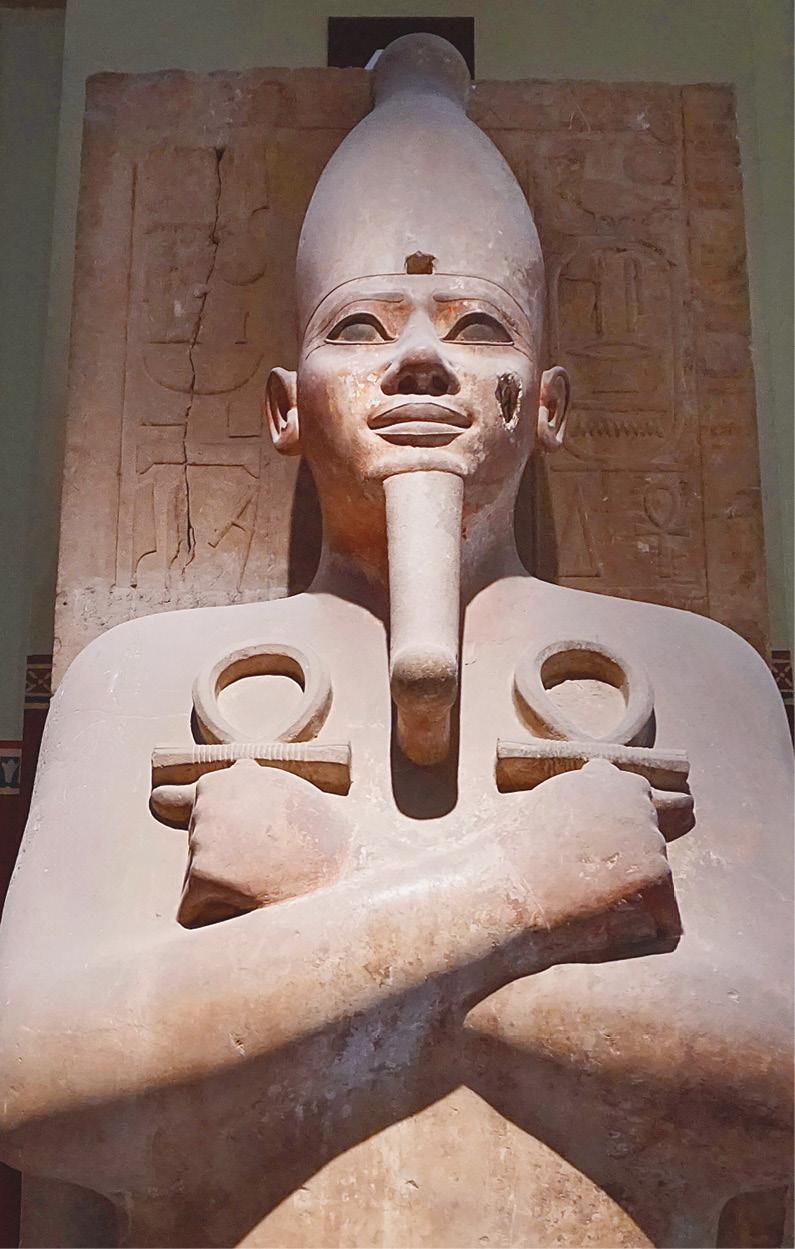
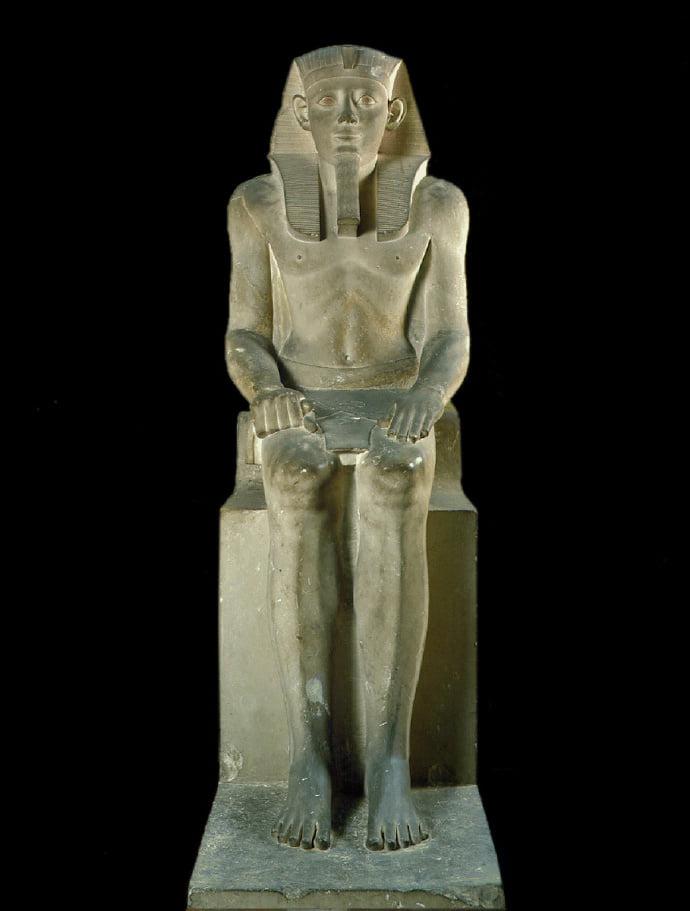
Several statues of Senusret I survive.
They portray him as a powerful and dignified ruler.
Middle Kingdom royal art often combined idealized kingship with more individualized facial features.
Senusret's statues demonstrate the artistic sophistication of the period.
Art During His Reign
The Middle Kingdom is famous for high-quality artistic production.
Sculptors created detailed statues.
Reliefs were carefully carved.
Jewelry and decorative objects were produced for royal and elite audiences.
Artists developed new approaches to portraying kings and officials.
Senusret's reign was an important period in this artistic development.
Administration
Senusret inherited his father's administrative system.
He continued to rely heavily on scribes.
Government officials recorded taxes.
They managed agricultural production.
They organized labor.
They supervised expeditions.
They maintained communication between the royal court and provincial communities.
The bureaucracy allowed the king to control a large and complex state.
The Provincial Governors
Senusret maintained stronger control over the provinces.
Local officials still had important responsibilities.
However, their authority was closely connected to the central government.
This prevented the political fragmentation that had weakened Egypt during the First Intermediate Period.
Agriculture
Agriculture remained the foundation of Egyptian prosperity.
The Nile flooded the fields every year.
Farmers cultivated wheat, barley, vegetables, and fruit.
The government depended on agricultural taxes.
The surplus supported the army, temples, officials, and construction projects.
The Faiyum
The Faiyum region was especially important during the Middle Kingdom.
The region contained fertile land and water resources.
The royal government continued developing the area.
Later rulers would undertake even larger irrigation projects.
Senusret's reign helped establish the conditions for this later development.
Economic Prosperity
Egypt's economy benefited from several sources.
Agriculture provided food.
Nubia provided gold and other resources.
The Eastern Desert provided stone and minerals.
The Red Sea provided access to international trade.
The centralized government coordinated these resources.
This allowed Senusret to sponsor large construction and military programs.
The Army
Senusret's army was highly organized.
Soldiers protected Egypt's borders.
They accompanied expeditions.
They fought in Nubia.
They guarded important trade routes.
The military was essential to the expansion of Egyptian influence.
Egyptian Fortifications
Senusret's reign helped establish the foundations for the extensive fortress system later developed in Nubia.
These fortresses protected the southern frontier.
They controlled movement.
They protected trade routes.
They allowed Egypt to maintain long-term influence in the region.
Foreign Relations
Egypt under Senusret I was an increasingly powerful regional state.
The kingdom interacted with Nubia and other neighboring regions.
Trade connections extended toward the Red Sea.
Egyptian resources and luxury goods traveled across the region.
The king's diplomatic and military policies strengthened Egypt's international position.
The Sinai
The Sinai Peninsula was another important area.
Egyptians traveled there to obtain turquoise and copper.
Mining expeditions required organization and protection.
Senusret's government maintained these activities.
The resources were used in tools, jewelry, weapons, and religious objects.
Sinai Mining
Mining was an important part of Egyptian economic activity.
Workers traveled into remote areas.
Officials organized expeditions.
Soldiers provided protection.
The king received valuable materials.
These operations demonstrate the reach of the Middle Kingdom state.
Literature
The reign of Senusret I occurred during one of the greatest periods of Egyptian literature.
Scribes produced works that explored morality, politics, religion, and personal identity.
The Tale of Sinuhe is traditionally associated with the beginning of Senusret's reign.
The story begins with the death of Amenemhat I and follows a royal official who flees Egypt.
The Tale of Sinuhe
Sinuhe becomes a successful leader in a foreign land.
Despite his success, he longs to return to Egypt.
Eventually, he receives royal permission to return.
The story emphasizes the importance of Egypt, kingship, and loyalty.
It provides valuable insight into how Middle Kingdom Egyptians viewed their homeland.
The King's Image
Senusret I was presented as a strong and capable ruler.
Royal inscriptions emphasized his victories.
His monuments showed him offering to the gods.
His statues portrayed him as powerful and dignified.
The king's image was essential to maintaining political authority.
Senusret as a Divine King
Egyptian religion considered the king a divine or semi-divine figure.
The pharaoh was connected with Horus during life.
After death, he became associated with Osiris.
This religious ideology strengthened royal authority.
Senusret's monuments repeatedly emphasized his relationship with the gods.
The Importance of Maat
Maat was central to Senusret's rule.
Maintaining maat meant preserving order and justice.
A king who maintained maat protected Egypt from chaos.
Senusret's military victories, temple construction, and administrative reforms could all be presented as actions that supported maat.
The Long Reign
Senusret I's long reign allowed Egypt to enjoy stability.
He had enough time to complete major construction projects.
He strengthened the army.
He developed foreign policy.
He supported the economy.
He established a strong relationship with religious institutions.
This stability contributed to the prosperity of the Twelfth Dynasty.
Succession
Senusret I was eventually succeeded by Amenemhat II.
The transition was relatively stable.
The political system created by Amenemhat I and strengthened by Senusret continued.
The dynasty remained powerful.
Amenemhat II
Amenemhat II continued the policies of his predecessors.
He maintained Egypt's military and economic power.
Trade continued to expand.
Construction continued.
The Twelfth Dynasty remained one of the most successful periods in Egyptian history.
Senusret I's Legacy
Senusret I left a remarkable legacy.
He strengthened Egypt's central government.
He expanded Egyptian power in Nubia.
He supported trade.
He developed mining and quarrying.
He built temples.
He constructed the White Chapel.
He sponsored literature and art.
He maintained political stability.
His reign helped make the Twelfth Dynasty one of the greatest dynasties of ancient Egypt.
Conclusion
Senusret I was one of the greatest pharaohs of Egypt's Middle Kingdom.
He inherited a strong kingdom from his father, Amenemhat I, but he did not simply maintain it.
He expanded it.
He strengthened the central government.
He developed the military.
He increased Egyptian influence in Nubia.
He protected trade routes.
He supported mining and quarrying expeditions.
He sponsored temples and monuments.
And he helped create a period of remarkable cultural development.
His long reign provided the stability needed for Egypt to prosper.
The construction of the White Chapel at Karnak is one of the clearest examples of his achievements.
Its beautifully carved reliefs demonstrate the high artistic standards of Middle Kingdom Egypt.
His pyramid complex at Lisht further demonstrates the importance of royal architecture during his reign.
Senusret also strengthened the religious institutions of Egypt.
His support for Amun at Karnak contributed to the growing importance of the Theban god.
He also supported the cult of Osiris at Abydos.
The relationship between the king and the gods remained central to Egyptian political ideology.
Military expansion was another defining feature of his reign.
Nubia was particularly important.
The region contained gold and other resources, and it provided access to African trade routes.
Senusret strengthened Egyptian control over the southern frontier and laid the foundations for the extensive fortress system that later kings would develop.
His government also maintained mining activities in the Sinai.
Egyptian expeditions obtained turquoise and copper from the region.
The Eastern Desert continued to provide stone and mineral resources.
All of these activities required a strong and well-organized administration.
Senusret inherited the centralized government created by Amenemhat I.
He maintained control over the provinces.
He relied on scribes and officials.
He supervised taxation and agricultural production.
He organized large expeditions.
The result was a highly efficient Middle Kingdom state.
Senusret's reign was also a golden age of Egyptian culture.
Art became highly sophisticated.
Royal statues displayed both strength and individuality.
Literature flourished.
The Tale of Sinuhe became one of the most famous stories in ancient Egyptian literature.
The intellectual achievements of this period would influence Egyptian culture for centuries.
Perhaps the greatest achievement of Senusret I was that he transformed his father's new dynasty into a stable and powerful kingdom.
Amenemhat I founded the Twelfth Dynasty.
Senusret I strengthened it.
Later kings would expand it further.
The Twelfth Dynasty eventually became famous for its military strength, economic prosperity, agricultural development, and monumental architecture.
Senusret I was one of the main architects of that success.
His reign demonstrates how a strong king could use political stability to expand a civilization's influence.
He did not need to rebuild Egypt from the ruins of a collapsed state.
Instead, he inherited a functioning kingdom and made it stronger.
He strengthened the borders.
He expanded the economy.
He supported religion.
He encouraged art and literature.
He built monuments that demonstrated the power of the monarchy.
For more than forty years, Senusret I ruled Egypt during one of the most successful periods in its history.
His name became associated with stability, prosperity, military strength, and royal authority.
He was not merely the son of Amenemhat I.
He was the king who turned the foundations of the Twelfth Dynasty into a lasting Egyptian golden age.
Senusret I stands as one of the greatest rulers of the Middle Kingdom: a powerful military leader, an ambitious builder, a supporter of religion and culture, and a king whose long and stable reign helped make the Twelfth Dynasty one of ancient Egypt's most successful eras.