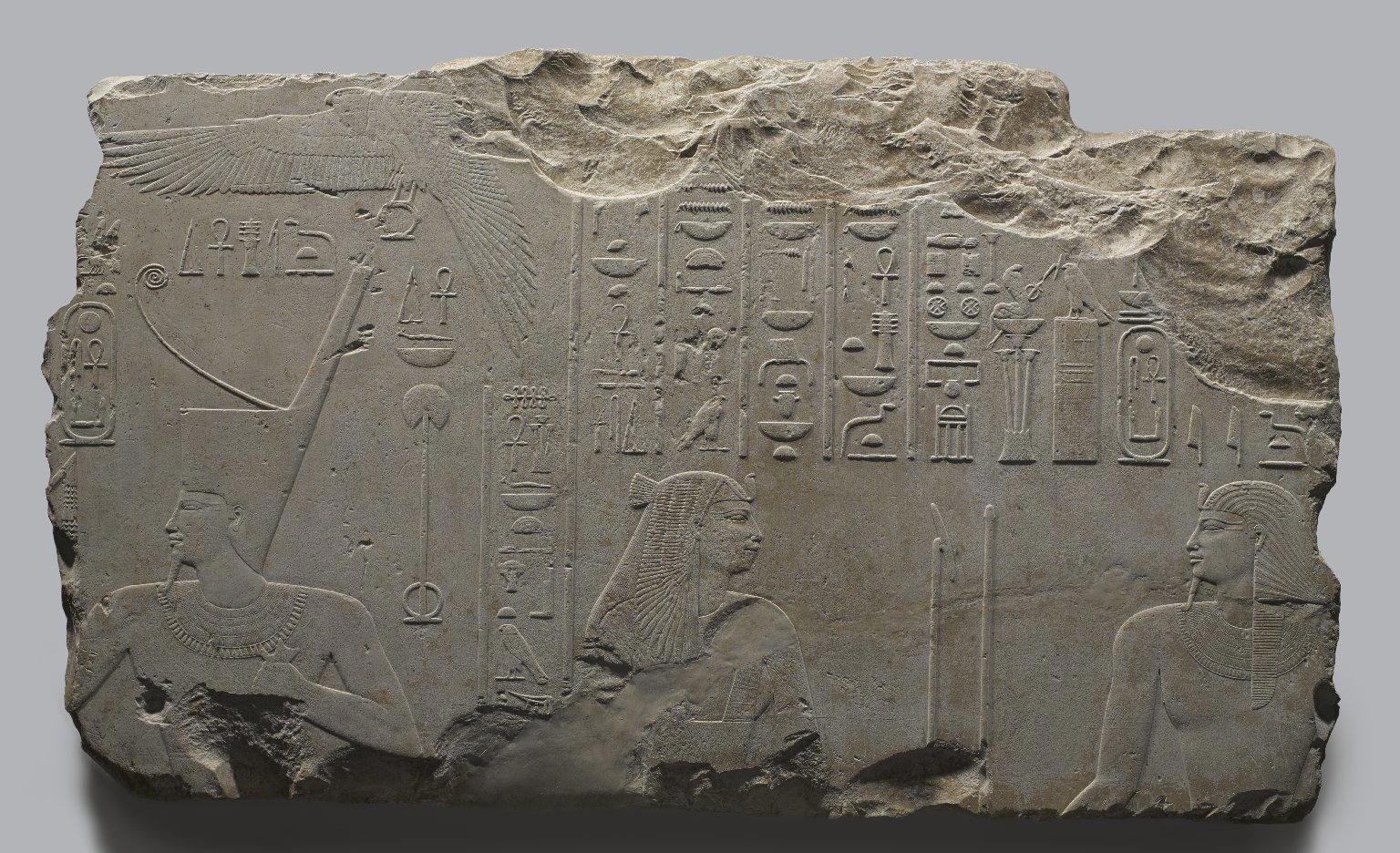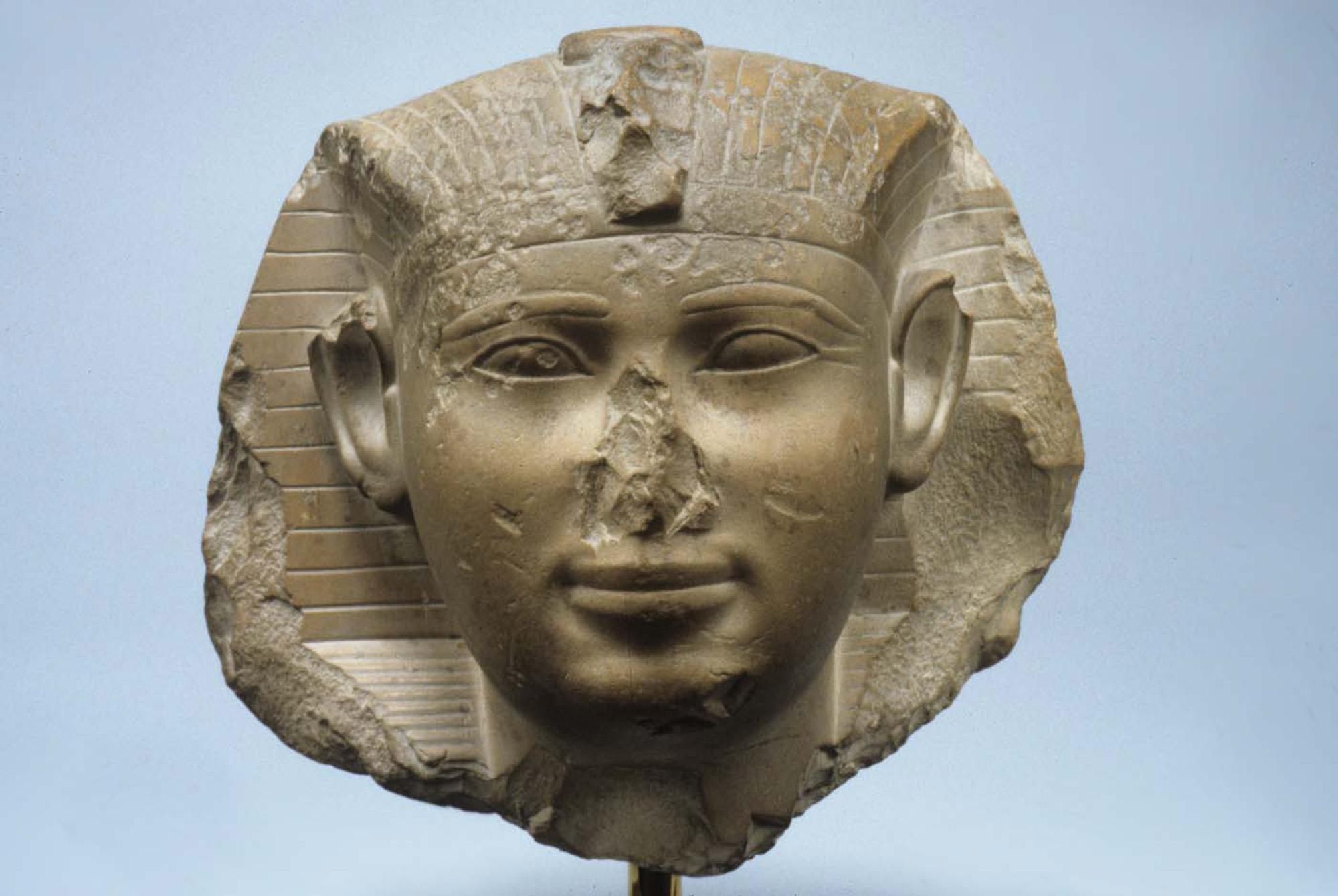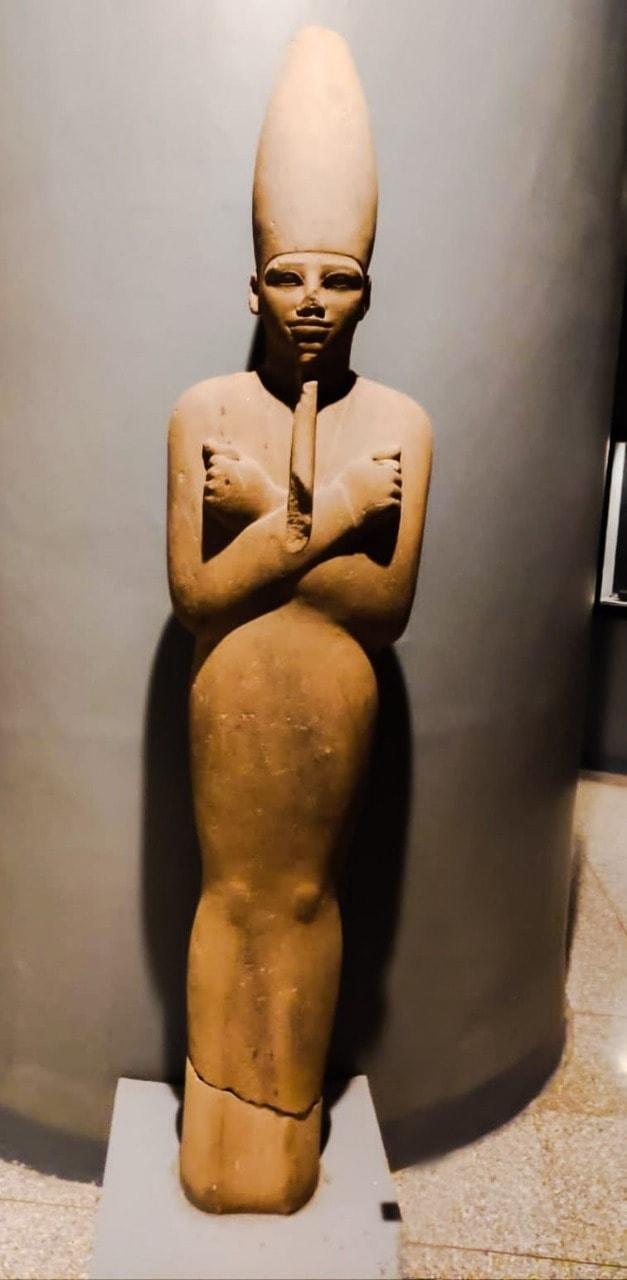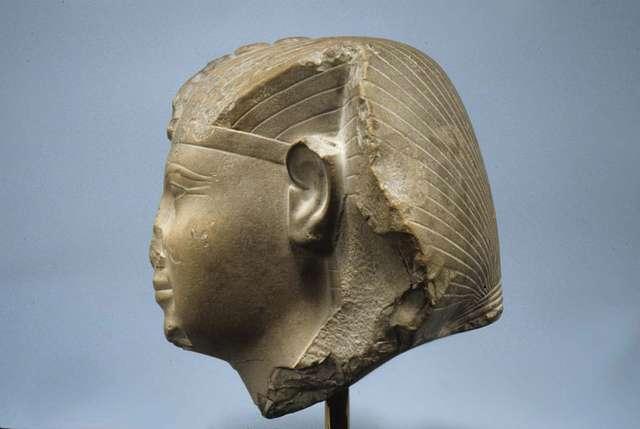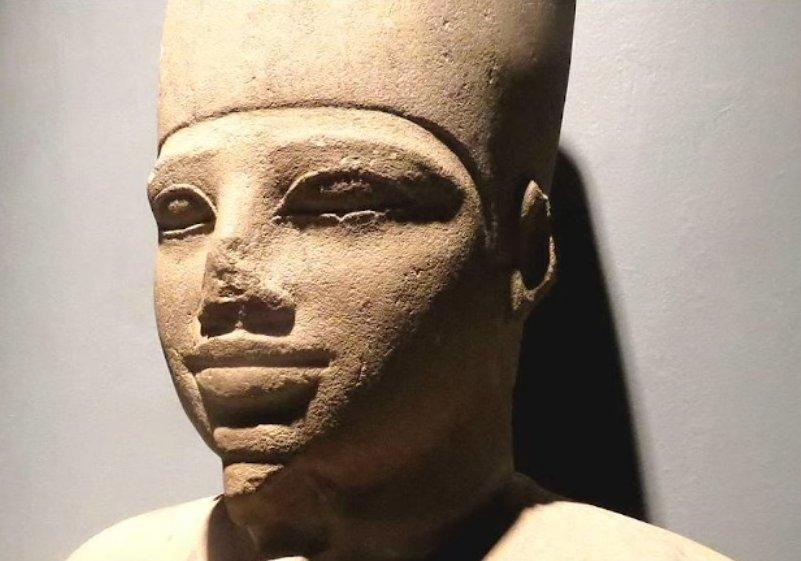
Mentuhotep III, also known as Sankhkare Mentuhotep III, was the third ruler of Egypt's Eleventh Dynasty to use the name Mentuhotep. He ruled during the early Middle Kingdom, following the remarkable reign of his father, Mentuhotep II, the king who reunited Egypt after generations of political division.
Although Mentuhotep III is not as famous as his father, his reign was extremely important. He inherited a unified Egypt and continued the process of rebuilding the country. Instead of focusing mainly on reunification, Mentuhotep III concentrated on maintaining stability, developing trade, strengthening Egypt's borders, and sending expeditions into distant regions.
His reign represents an important stage in the transformation of Egypt from a recently reunited kingdom into a confident and economically active Middle Kingdom state.
Mentuhotep III ruled for approximately twelve years, traditionally dated to the early twentieth century BC. His reign was relatively short compared with that of his father, but he managed to organize several important projects that demonstrated the renewed power of the Egyptian monarchy.
Egypt After Reunification
Mentuhotep III inherited an Egypt that had recently experienced enormous political changes.
For generations, Egypt had been divided during the First Intermediate Period.
The northern part of the country had been controlled by rulers based around Herakleopolis, while the Theban dynasty controlled Upper Egypt.
His father, Mentuhotep II, finally defeated the northern rulers and reunited Egypt.
This achievement marked the beginning of the Middle Kingdom.
But reunification did not automatically solve every problem.
The country had been politically fragmented for generations.
Local governors had gained power.
Economic systems had been disrupted.
Trade networks had changed.
Some border regions had become less firmly controlled.
The new king therefore needed to maintain the unity created by his father.
Mentuhotep III inherited this responsibility.
A New Kind of Pharaoh
Unlike Mentuhotep II, Mentuhotep III did not need to spend his reign fighting for the reunification of Egypt.
His father had already accomplished that.
Instead, Mentuhotep III could focus on expanding Egypt's economic and political horizons.
His reign was characterized by exploration, trade, construction, and the development of royal authority.
He ruled a country that was once again strong enough to send large expeditions into difficult and distant regions.
This was one of the clearest signs that Egypt was recovering from the instability of the First Intermediate Period.
The Royal Name
Mentuhotep III is usually known by the throne name Sankhkare.
His birth name was Mentuhotep.
The name Mentuhotep is connected with the Theban god Montu.
Montu was associated with warfare, royal power, and strength.
This connection was especially meaningful for the Eleventh Dynasty, whose origins were closely tied to Thebes.
The royal ideology of Mentuhotep III therefore connected him with both the traditions of the Theban dynasty and the broader traditions of Egyptian kingship.
Maintaining Unity
One of Mentuhotep III's most important responsibilities was preserving the unity achieved by his father.
A newly reunited Egypt could potentially fragment again.
The king therefore needed to maintain a strong central administration.
Royal officials were responsible for collecting resources, managing agriculture, organizing labor, and supervising construction.
The king also needed to maintain relationships with provincial governors.
The experience of the First Intermediate Period had demonstrated the dangers of excessive regional independence.
Mentuhotep III continued the policy of strong royal control.
The Growth of the Middle Kingdom
The reign of Mentuhotep III helped transform the Middle Kingdom into a more stable political system.
The Egyptian government was becoming increasingly organized.
The monarchy had greater control over resources.
Trade routes were being restored.
Military expeditions were possible.
Construction projects demonstrated royal wealth and authority.
The country was moving away from the political instability of the previous period.
Expeditions to Punt
One of the most famous achievements associated with Mentuhotep III was an expedition toward the land of Punt.
Punt was a distant region famous for luxury goods.
Egyptians associated it with incense, aromatic plants, precious materials, exotic animals, and other valuable products.
The exact location of Punt remains debated, but it is generally associated with regions around the southern Red Sea and the Horn of Africa.
The expedition demonstrates the growing ability of the Middle Kingdom government to organize large-scale long-distance missions.
The Red Sea Route
Reaching Punt required difficult travel.
Egyptian expeditions could travel across the Eastern Desert toward the Red Sea.
This involved crossing harsh desert landscapes where water was limited.
The government needed to organize workers, soldiers, sailors, food, water, tools, and transportation.
Such expeditions were major logistical achievements.
Mentuhotep III's government demonstrated that it could mobilize significant resources for long-distance trade.
Trade and Luxury Goods
The purpose of expeditions to distant lands was largely economic.
Egyptian elites valued luxury products from foreign regions.
Incense was particularly important.
It was used in temples and religious ceremonies.
Aromatic materials were also used in elite households and funerary practices.
Other foreign products included exotic woods, precious stones, animal products, and unusual plants.
Trade therefore served both economic and religious purposes.
The Wadi Hammamat Expedition
Mentuhotep III is also associated with important expeditions through the Wadi Hammamat.
Wadi Hammamat is a desert valley in Egypt's Eastern Desert.
It connected the Nile Valley with the Red Sea region.
The area was rich in valuable stone.
Egyptians had used the route for centuries.
During the Middle Kingdom, expeditions through Wadi Hammamat became particularly important.
The Great Desert Expedition
One of the most famous inscriptions from Mentuhotep III's reign records a large expedition into the Eastern Desert.
The expedition reportedly involved thousands of workers.
Its purpose was connected with quarrying stone and reaching the Red Sea.
The organization of such a large expedition demonstrates the strength of the centralized state.
The king could mobilize huge numbers of workers and provide them with food, water, tools, and protection.
Desert Engineering
Crossing the Eastern Desert was extremely difficult.
There were no permanent rivers.
Water sources were limited.
The temperature could be extreme.
The expedition therefore required careful planning.
Workers had to locate wells.
Supplies needed to be transported.
Soldiers were needed for protection.
Officials organized the entire operation.
The ability to complete these projects showed that the Egyptian state had regained considerable organizational power.
The Importance of Water
Water was one of the biggest challenges faced by desert expeditions.
Egyptian administrators carefully planned routes around known wells.
They could dig or improve wells where necessary.
The success of Mentuhotep III's expeditions demonstrates that Egyptian engineers and administrators possessed sophisticated knowledge of the desert environment.
This knowledge would become increasingly important during later Middle Kingdom expeditions.
The Red Sea and Maritime Trade
The Red Sea offered access to international trade routes.
From the Egyptian coast, ships could travel south toward regions associated with Punt.
The journey required experienced sailors and careful preparation.
The Egyptians developed ships capable of transporting people and goods.
These maritime connections helped integrate Egypt into wider regional trade networks.
Economic Recovery
Mentuhotep III's trade and expeditionary policies contributed to economic recovery.
The state could obtain foreign luxury goods.
Quarrying projects supplied stone for royal construction.
Trade created opportunities for merchants and officials.
The government could demonstrate its wealth through monumental building projects.
The economy of the Middle Kingdom was becoming increasingly interconnected.
Agriculture
Despite the importance of international trade, agriculture remained the foundation of Egyptian civilization.
The Nile flooded the surrounding fields every year.
Farmers cultivated grain, vegetables, and other crops.
The agricultural surplus supported the population.
It also supported the royal government, temples, and army.
The stability created by the reunification allowed agricultural production to become more predictable.
The Role of the Pharaoh
Mentuhotep III's responsibilities were extensive.
He was expected to protect Egypt.
He maintained maat.
He supervised religious institutions.
He organized construction projects.
He controlled foreign trade.
He commanded military forces.
He represented Egypt before the gods.
His reign demonstrated the growing power of the Middle Kingdom monarchy.
Religion Under Mentuhotep III
Religion remained central to royal authority.
The king was believed to be the intermediary between the gods and humanity.
Temples needed offerings.
Priests performed rituals.
The king was expected to maintain cosmic order.
Mentuhotep III continued the religious traditions of his dynasty while strengthening his connection with the gods of Thebes and the broader Egyptian religious system.
Montu
Montu remained an important deity for the Eleventh Dynasty.
His association with warfare and royal power fit the political ideology of the dynasty.
The name Mentuhotep itself reflected the importance of Montu.
The king's relationship with the god reinforced the image of a powerful and divinely protected monarch.
Amun
Amun was also becoming increasingly significant.
The rise of the Middle Kingdom strengthened the political importance of Thebes.
As the royal family became more powerful, the religious institutions associated with the city also grew.
Amun would later become one of the most important gods in Egypt, especially during the New Kingdom.
The foundations of this later religious importance were developing during the Middle Kingdom.
Building Projects
Mentuhotep III continued the architectural traditions established by his father.
Royal building projects demonstrated the strength of the monarchy.
Temples and monuments were constructed or restored.
Stone from distant quarries was transported to the Nile Valley.
The organization required for these projects showed the effectiveness of the central government.
The Temple of Montu
Mentuhotep III is associated with construction activity connected to the god Montu.
The worship of Montu was particularly important in Upper Egypt.
Temples dedicated to the god served both religious and political purposes.
They provided places for rituals while also demonstrating royal devotion.
Royal Mortuary Traditions
The Eleventh Dynasty continued to develop new forms of royal funerary architecture.
Mentuhotep II's temple at Deir el-Bahari had introduced an innovative architectural concept.
Later rulers continued experimenting with royal burial and memorial traditions.
Mentuhotep III's monuments were not as spectacularly preserved, but they were part of the continuing development of Middle Kingdom royal architecture.
Life During His Reign
For ordinary Egyptians, life continued to revolve around the Nile.
Farmers worked agricultural lands.
Fishermen caught fish.
Craftsmen produced pottery, textiles, tools, and jewelry.
Merchants transported goods.
Scribes worked for the government and temples.
Soldiers guarded the borders and accompanied expeditions.
The renewed stability of the Middle Kingdom allowed communities to recover from the political disturbances of the previous period.
The Administration
The Middle Kingdom government relied heavily on scribes.
Written records were essential for managing agriculture, taxes, labor, and supplies.
Large expeditions required extensive documentation.
Officials needed to know how much food and water was required.
Workers had to be organized.
Tools needed to be distributed.
Stone had to be transported.
These tasks demonstrated the sophistication of Egyptian administration.
The Eastern Desert
The Eastern Desert was one of the most challenging regions under Egyptian control.
It contained valuable mineral resources and important routes to the Red Sea.
Egyptians traveled through the region to obtain stone and other materials.
Mentuhotep III's expeditions demonstrated that the government could project its power beyond the fertile Nile Valley.
This was an important development for the Middle Kingdom.
Foreign Relations
Mentuhotep III ruled during a period when Egypt was rebuilding its international presence.
The previous period of political fragmentation had reduced Egypt's ability to conduct large-scale foreign expeditions.
The Middle Kingdom changed that.
Egypt once again had the political organization needed to interact with distant regions.
Trade became an important part of royal policy.
Security and Military Power
Although Mentuhotep III is remembered more for exploration and trade than for major wars, military power remained important.
Soldiers accompanied desert expeditions.
The borders needed protection.
Nubia remained strategically important.
A strong army allowed the king to secure trade routes and protect Egyptian interests.
Nubia
Nubia, south of Egypt, was one of the most important regions for Middle Kingdom foreign policy.
The area provided access to trade routes and valuable resources.
Egyptian rulers wanted to control the region or at least maintain strong influence over it.
The foundations for more aggressive Middle Kingdom policies toward Nubia were being established during this period.
A King of Exploration
Mentuhotep III represents a new type of Middle Kingdom ruler.
His father had been a conqueror and unifier.
Mentuhotep III was more focused on consolidation, exploration, trade, and economic development.
His reign demonstrated that Egypt had recovered enough strength to look beyond its borders.
This was a major achievement.
The End of His Reign
Mentuhotep III ruled for approximately twelve years.
His reign was considerably shorter than that of Mentuhotep II.
Nevertheless, he left a strong legacy.
He maintained the unity of Egypt.
He organized major expeditions.
He expanded trade.
He strengthened the administration.
He continued the development of Middle Kingdom royal power.
Mentuhotep IV
Mentuhotep III was succeeded by Mentuhotep IV.
The transition between the two rulers is not completely understood.
Mentuhotep IV ruled for a relatively short period and is associated with important quarrying expeditions.
After his reign, the Eleventh Dynasty ended.
A new royal family, the Twelfth Dynasty, came to power.
The Rise of the Twelfth Dynasty
The Twelfth Dynasty became one of the most successful royal dynasties in Egyptian history.
Kings such as Amenemhat I and Senusret I strengthened the central government even further.
They expanded Egypt's influence in Nubia.
They developed major irrigation and agricultural projects.
They sponsored impressive temples and monuments.
The success of the Twelfth Dynasty was built partly on the political stability established by the late Eleventh Dynasty.
Mentuhotep III's Legacy
Mentuhotep III's legacy is sometimes overshadowed by his famous father.
But his reign was crucial.
Mentuhotep II reunited Egypt.
Mentuhotep III helped stabilize the reunited kingdom.
He demonstrated that Egypt could organize massive expeditions.
He expanded trade.
He strengthened connections with the Red Sea.
He supported quarrying projects.
He helped establish the economic foundations of the Middle Kingdom.
Why He Matters
Mentuhotep III matters because he represents the transition from reunification to prosperity.
His father had restored political unity.
Mentuhotep III used that unity to expand Egypt's economic and geographical horizons.
His reign showed that the centralized state was functioning again.
The government could mobilize thousands of people.
It could organize difficult desert expeditions.
It could acquire valuable resources.
It could maintain long-distance trade.
These achievements were signs of a powerful state.
Conclusion
Mentuhotep III was an important pharaoh of Egypt's Eleventh Dynasty and one of the rulers who helped transform the newly reunited country into a stable and prosperous Middle Kingdom state.
He inherited Egypt from his father, Mentuhotep II, who had achieved one of the greatest political victories in Egyptian history by reunifying Upper and Lower Egypt.
But reunification was only the beginning.
Mentuhotep III needed to maintain the unity of the country.
He needed to strengthen the administration.
He needed to restore the economy.
He needed to protect Egypt's borders.
And he needed to reconnect Egypt with the wider world.
His reign focused heavily on exploration, trade, quarrying, and economic development.
One of his most important achievements was the organization of expeditions toward the Red Sea and the distant land of Punt.
These expeditions required enormous planning.
Workers, soldiers, sailors, administrators, food, water, tools, and transportation all had to be organized.
The successful completion of these missions demonstrated that the Egyptian government had recovered a remarkable degree of centralized power.
Mentuhotep III also made use of routes through the Eastern Desert, particularly Wadi Hammamat.
These routes connected the Nile Valley with the Red Sea and contained valuable stone resources.
The king's ability to organize large expeditions through such harsh environments demonstrated the strength of the Middle Kingdom state.
Trade was equally important.
Egyptian elites valued luxury goods from distant regions.
Incense and aromatic products were particularly valuable because they were used in religious ceremonies.
Foreign materials also strengthened the prestige of the royal court and temples.
Mentuhotep III therefore helped reconnect Egypt with international trade networks.
Religion remained central to his rule.
The pharaoh was expected to maintain maat and protect the relationship between Egypt and the gods.
The name Mentuhotep connected the king with Montu, the Theban god of warfare and royal power.
Amun was also becoming increasingly important as the political influence of Thebes continued to grow.
The economic and political stability of Mentuhotep III's reign allowed Egyptian culture to flourish.
Administration became more organized.
Scribes recorded resources.
Farmers produced agricultural surpluses.
Craftsmen created goods.
Merchants traveled along the Nile.
Soldiers protected the borders and accompanied expeditions.
The country was recovering from the political instability of the First Intermediate Period.
Mentuhotep III's reign therefore represented a new phase of Egyptian history.
His father had been the great unifier.
Mentuhotep III became the consolidator.
He took the united Egypt he inherited and strengthened its economic and political foundations.
He demonstrated that the Middle Kingdom was not simply a restored kingdom.
It was becoming a powerful new phase of Egyptian civilization.
His reign also prepared the way for later rulers.
After Mentuhotep III came Mentuhotep IV, followed by the Twelfth Dynasty.
Kings such as Amenemhat I and Senusret I would continue expanding the political and economic power of Egypt.
They would strengthen the administration, develop Nubian policy, expand construction, and create one of the most successful periods in Egyptian history.
Mentuhotep III was therefore an important bridge between the reunification of Egypt and the prosperity of the Middle Kingdom.
His reign may have lasted only about twelve years, but his achievements were significant.
He maintained national unity.
He expanded trade.
He organized large-scale expeditions.
He strengthened the royal administration.
He exploited Egypt's desert resources.
He supported religious institutions.
And he demonstrated the renewed strength of the Egyptian state.
The story of Mentuhotep III is therefore not primarily a story of conquest.
It is a story of recovery and expansion.
His father had fought to bring Egypt together.
Mentuhotep III used that unity to open new economic and geographical opportunities.
He showed that Egypt was once again capable of reaching beyond the Nile Valley.
The deserts, the Red Sea, Nubia, and distant trading lands became part of Egypt's expanding sphere of activity.
For this reason, Mentuhotep III deserves an important place in the history of ancient Egypt.
He was the king who inherited a reunited Egypt and helped turn that political victory into lasting stability.
Mentuhotep III was one of the important architects of the early Middle Kingdom, using the stability created by his father to strengthen Egypt's economy, expand trade, organize major expeditions, and prepare the country for another great era of prosperity.