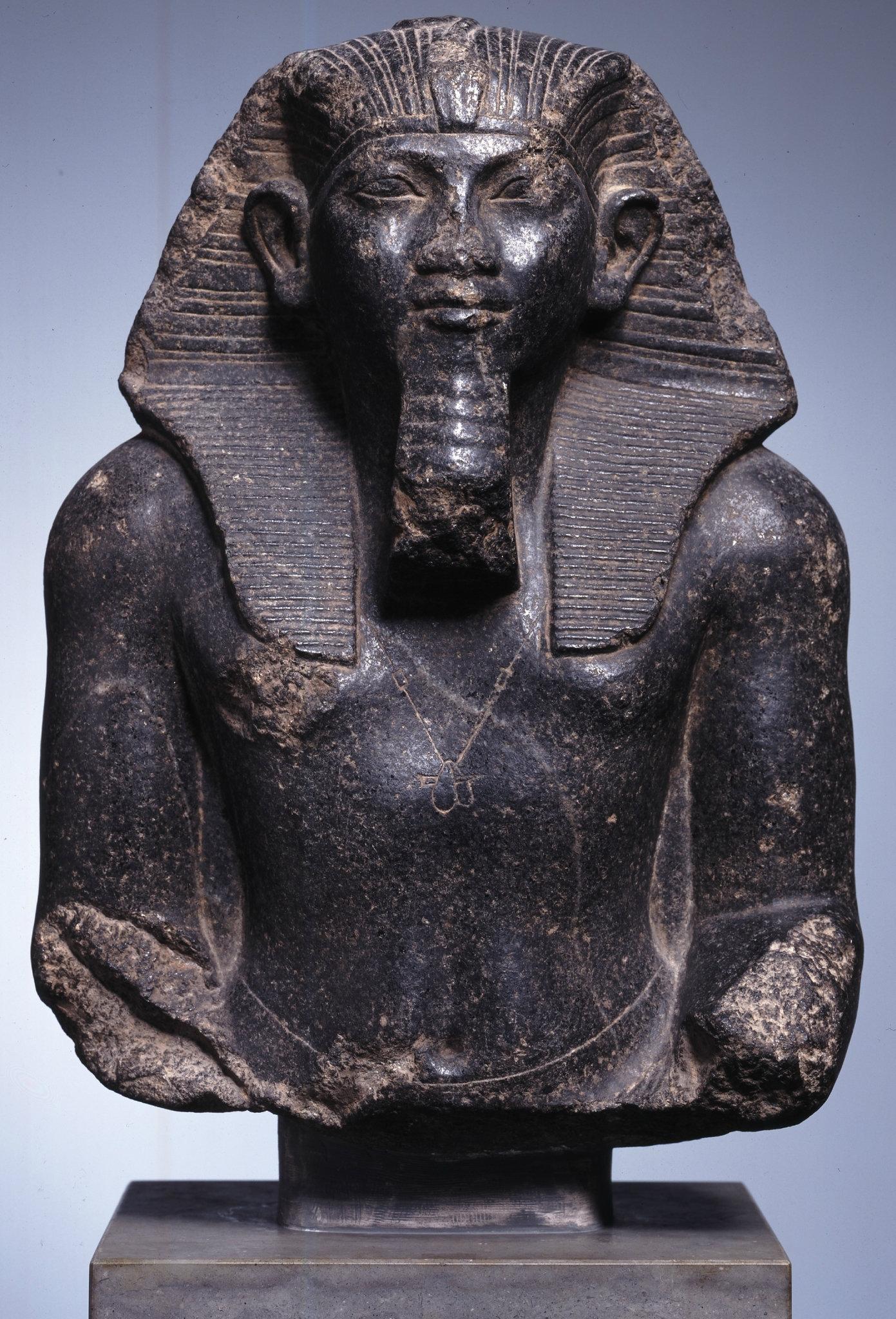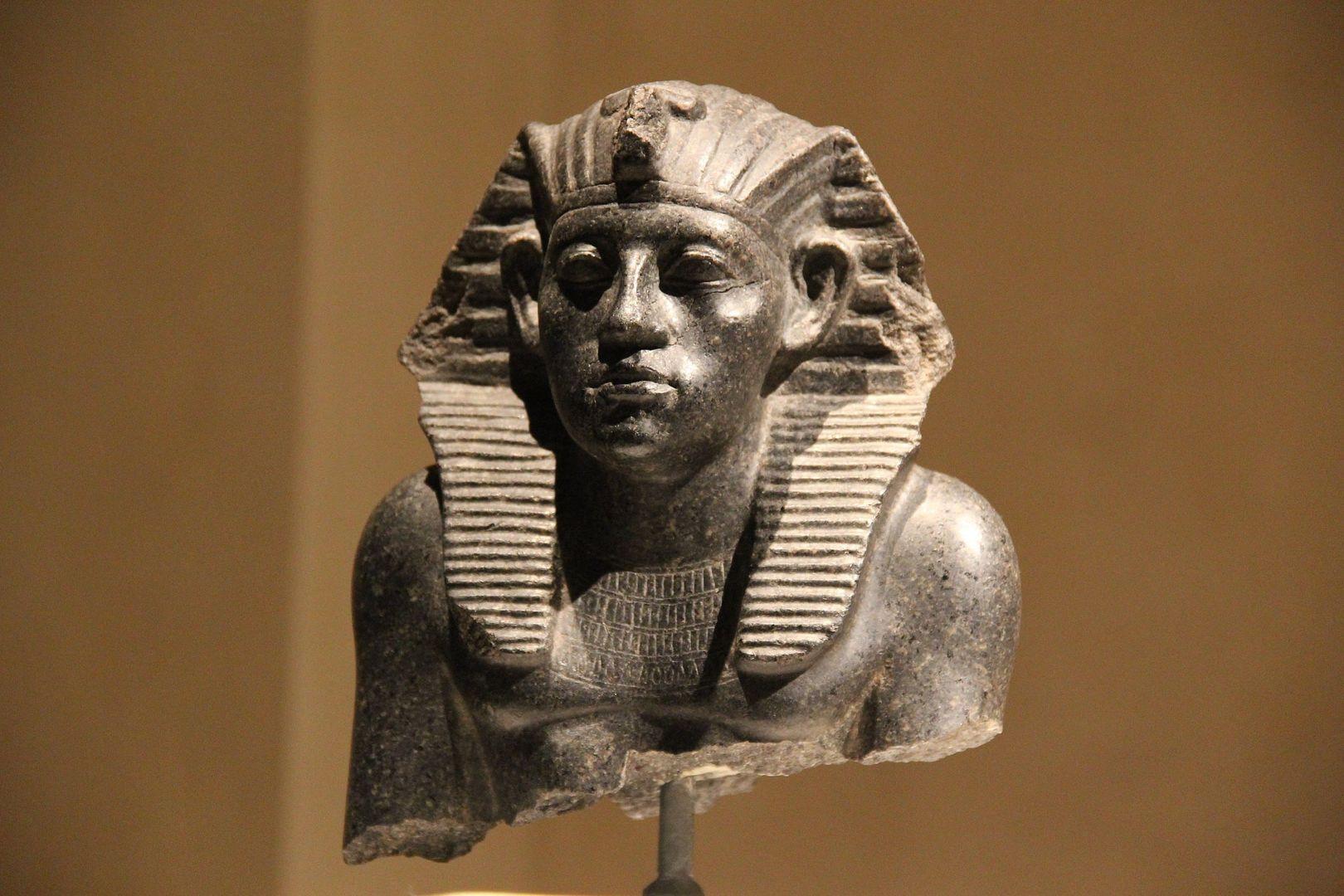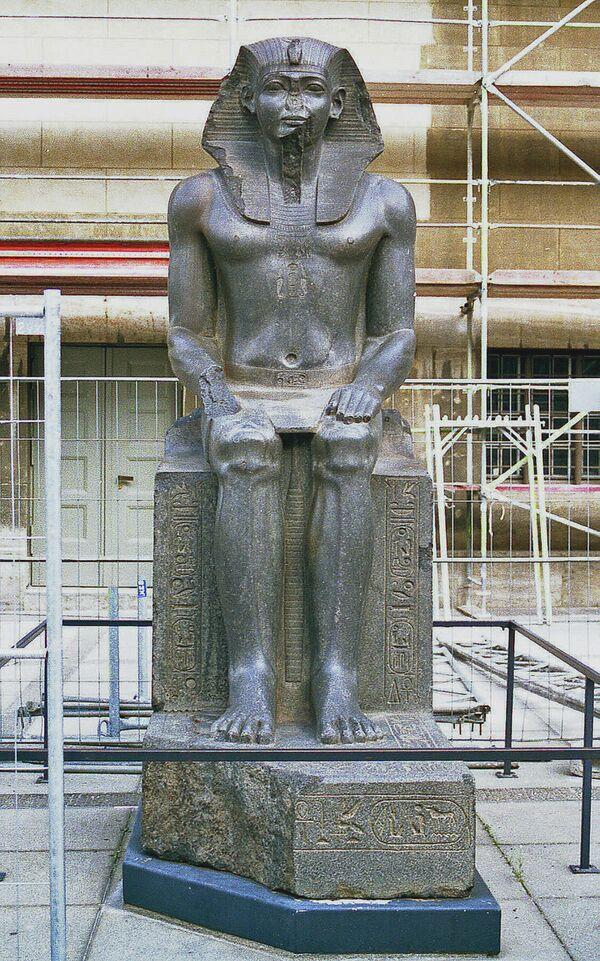
Amenemhat II was one of the important rulers of Egypt's Twelfth Dynasty and a king who helped maintain the prosperity and stability created by his father, Senusret I. His reign belongs to the height of Egypt's Middle Kingdom, a period when the country enjoyed political stability, economic growth, military strength, international trade, and remarkable artistic achievement.
Amenemhat II inherited a powerful and well-organized kingdom. His father, Senusret I, had strengthened Egypt's borders, expanded its influence in Nubia, developed trade routes, and sponsored major temples and monuments. Amenemhat II continued many of these policies, but his reign is especially remembered for its connections with foreign lands and the enormous quantities of luxury goods that entered Egypt.
His rule provides an interesting picture of Egypt as an international power. Egyptian inscriptions from his reign mention contacts with regions in the Levant, Nubia, and other neighboring territories. Foreign objects discovered in Egypt also demonstrate that trade networks connected the Middle Kingdom with a much wider world.
Amenemhat II was not known primarily as a conqueror like some later Egyptian kings. Instead, his reign appears to have focused heavily on maintaining Egypt's economic and diplomatic strength.
His story is therefore a story of trade, wealth, diplomacy, administration, religious traditions, and the continued success of the Twelfth Dynasty.
Egypt Before Amenemhat II
To understand Amenemhat II, it is important to understand the achievements of the kings who ruled before him.
Egypt had experienced political division during the First Intermediate Period.
The Eleventh Dynasty reunited the country.
Mentuhotep II established the Middle Kingdom.
Amenemhat I founded the Twelfth Dynasty.
He strengthened the central government and moved the royal residence toward the north.
His son, Senusret I, expanded Egypt's military and economic power.
By the time Amenemhat II became king, Egypt was already one of the strongest states in the ancient Near East.
The Son of Senusret I
Amenemhat II was the son and successor of Senusret I.
His exact birth date is unknown.
Like many Egyptian princes, he would have been raised within the royal court and educated in administration, religion, military traditions, and royal ideology.
His father's long reign gave Amenemhat II an excellent political inheritance.
He did not have to rebuild a divided country.
Instead, he inherited a stable kingdom.
Becoming Pharaoh
Amenemhat II succeeded Senusret I around the nineteenth century BC.
The exact chronology is debated by historians, but his reign lasted for approximately three decades.
There is evidence suggesting that Amenemhat II may have ruled together with his father during a period of co-regency.
If so, this would have continued the succession strategy established by Amenemhat I.
Co-regency helped reduce the danger of political instability when a king died.
A Stable Kingdom
Amenemhat II ruled during a relatively prosperous period.
The Egyptian state had a strong bureaucracy.
The army was organized.
Trade routes were active.
The temples possessed considerable wealth.
Agriculture provided a reliable economic foundation.
The royal government could therefore devote resources to construction, trade, and diplomatic activity.
International Egypt
One of the most interesting aspects of Amenemhat II's reign is the evidence for Egypt's international connections.
Egypt was not isolated.
Merchants and diplomatic envoys traveled between Egypt and neighboring regions.
Luxury goods entered the Nile Valley.
Egyptian products also traveled abroad.
The king's government maintained relationships with foreign rulers and communities.
Trade With the Levant
The eastern Mediterranean and Levant were important trading regions.
Egyptians obtained products such as timber, metals, oils, and luxury objects from foreign lands.
The Levant also provided access to routes leading deeper into western Asia.
Amenemhat II's reign contains evidence of these connections.
Foreign Objects in Egypt
Archaeological discoveries provide additional evidence.
Objects associated with the Aegean world, the Levant, and other regions have been found in Egyptian contexts.
These objects show that international trade networks were active during the Middle Kingdom.
Egyptian elites could obtain foreign luxury products.
The Aegean Connections
One of the fascinating aspects of Middle Kingdom trade is Egypt's contact with the Aegean world.
Objects and artistic influences traveled across the Mediterranean.
These contacts were probably based on trade rather than large-scale Egyptian conquest.
Amenemhat II's reign therefore reflects the growing interconnectedness of the ancient world.
Nubia
Nubia remained extremely important.
The region south of Egypt contained gold and other valuable resources.
It also provided access to African trade networks.
Amenemhat II continued the policies of his predecessors.
Egypt maintained military and economic influence in Nubia.
Gold From Nubia
Gold was especially valuable to Egyptian kings.
It was used in jewelry, religious objects, statues, and royal decoration.
Egypt's control over gold-producing regions helped finance its economy.
The wealth of the Middle Kingdom royal court was partly based on access to Nubian resources.
Trade Through the Red Sea
The Red Sea connected Egypt with regions far beyond the Nile Valley.
Egyptian expeditions traveled through the Eastern Desert.
They reached ports along the Red Sea.
From these ports, merchants could travel toward the Arabian Peninsula and possibly farther toward the Horn of Africa.
These connections brought valuable products into Egypt.
The Land of Punt
Egyptian interest in Punt continued during the Middle Kingdom.
Punt was famous for incense, aromatic woods, precious products, and exotic animals.
The exact location of Punt remains debated, but it was probably somewhere in the region of the southern Red Sea and Horn of Africa.
Egyptian expeditions sought luxury products from this distant land.
The Eastern Desert
The Eastern Desert was an important economic corridor.
It contained stone quarries and mineral resources.
Routes crossed the desert toward the Red Sea.
Travel through this harsh environment required careful organization.
The government provided workers, food, water, and security.
Mining Expeditions
Egyptian mining expeditions searched for valuable materials.
Copper and turquoise could be obtained from the Sinai.
Gold was associated with Nubia and the Eastern Desert.
Stone was extracted from desert quarries.
These materials supported Egyptian construction and craftsmanship.
The Sinai Peninsula
The Sinai was particularly important for turquoise and copper.
Turquoise was used in jewelry and religious objects.
Copper was essential for tools and weapons.
Egyptian expeditions traveled into the region under royal authority.
Military Protection
Although Amenemhat II is remembered mainly for trade, military strength remained important.
Trade routes needed protection.
Mining expeditions required security.
Egypt's borders needed to remain stable.
The army therefore supported the economic system.
The Egyptian Administration
Amenemhat II inherited a sophisticated bureaucracy.
Scribes recorded agricultural production.
Officials collected taxes.
Governors managed provinces.
Royal administrators organized expeditions.
The centralized state was one of the greatest achievements of the Middle Kingdom.
Provincial Administration
The provinces remained important.
However, their rulers were increasingly integrated into the central government.
The king maintained direct authority.
This prevented the emergence of independent regional kingdoms.
The political problems of the First Intermediate Period were not repeated on the same scale.
Agriculture
Agriculture remained the foundation of Egypt's wealth.
The annual Nile flood provided fertile soil.
Farmers grew wheat and barley.
Vegetables, fruits, and flax were also cultivated.
The government collected agricultural taxes.
The surplus supported the royal court, army, temples, and construction projects.
The Faiyum
The Faiyum was becoming increasingly important.
The region contained fertile land and water resources.
Middle Kingdom rulers invested in agricultural development.
Although later kings would carry out even larger projects, the Twelfth Dynasty established the political framework that made these developments possible.
Religious Life
Religion remained central to Egyptian society.
Amenemhat II supported traditional temples and cults.
The king was expected to maintain maat.
Temples received offerings.
Priests performed daily rituals.
Religious festivals were important public events.
Amun
Amun remained an important deity at Thebes.
The god would become even more powerful in later Egyptian history.
Amenemhat II continued the tradition of supporting major religious institutions.
Osiris
The cult of Osiris was also important.
Osiris represented death and resurrection.
His main cult center at Abydos attracted pilgrims.
Middle Kingdom rulers increasingly associated themselves with Osiris.
This religious tradition influenced Egyptian beliefs about the afterlife.
Royal Religion
The king was the central figure in the relationship between humans and the gods.
He performed rituals on behalf of Egypt.
He built temples.
He provided offerings.
In return, the gods were believed to protect the country.
Amenemhat II used religious monuments to reinforce his legitimacy.
Architecture
Amenemhat II continued the Twelfth Dynasty's tradition of monumental construction.
Temples and royal structures were built and restored.
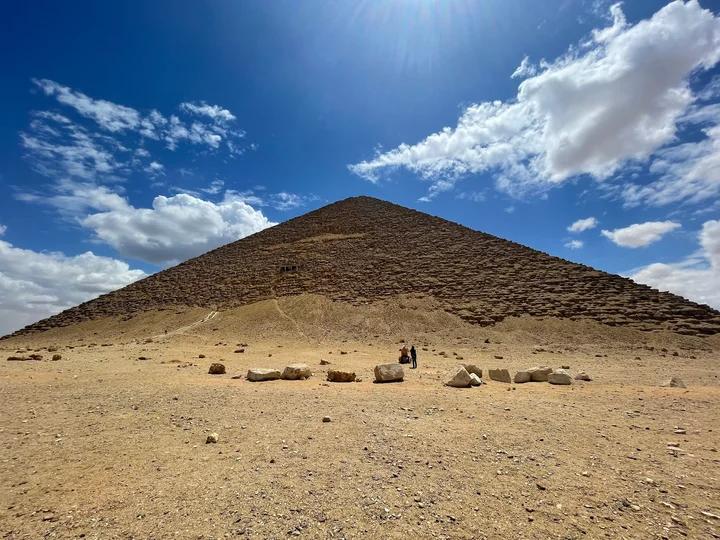
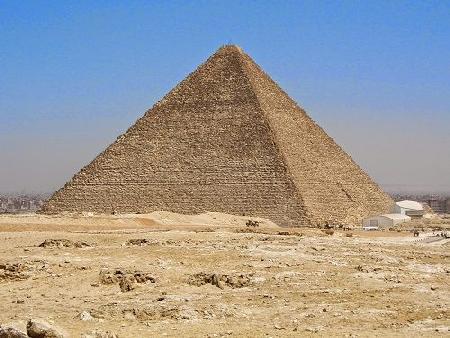
His reign is especially associated with a pyramid complex at Dahshur.
The Pyramid at Dahshur
Amenemhat II built his pyramid at Dahshur.
Dahshur had already been an important royal burial area since the Old Kingdom.
The location connected Amenemhat II with the great royal building traditions of earlier Egypt.
His pyramid is now badly damaged, but the remains provide important evidence about Middle Kingdom architecture.
Royal Cemetery at Dahshur
Dahshur remained an important royal cemetery.
Its monuments included pyramids and elite burials.
The area also produced important discoveries of jewelry and luxury objects.
These discoveries demonstrate the wealth available to the Egyptian royal family.
The Dahshur Treasure
One of the most famous archaeological discoveries associated with Amenemhat II is the collection of royal jewelry found near his pyramid complex.
The objects included jewelry, precious metals, and luxury items.
Some pieces incorporated foreign artistic influences.
The discoveries provide evidence of the wealth of the Middle Kingdom royal court.
International Influences in the Treasure
Some objects discovered in the royal cemetery show artistic connections with regions outside Egypt.
These items demonstrate that foreign luxury goods reached Egypt through trade and diplomacy.
They also show that Egyptian elites appreciated foreign artistic styles.
Egyptian Craftsmanship
Egyptian craftsmen were highly skilled.
Goldsmiths produced delicate jewelry.
Stoneworkers carved statues.
Woodworkers created furniture.
Potters produced decorated vessels.
The prosperity of the Twelfth Dynasty supported a large community of specialized artisans.
Art of Amenemhat II's Reign
Middle Kingdom art was sophisticated and detailed.
Royal representations maintained traditional symbolism.
At the same time, artists increasingly explored realistic facial features.
Elite tombs contained scenes of agriculture, hunting, fishing, and daily life.
These images provide valuable information about Egyptian society.
Diplomacy
Amenemhat II's reign appears to have involved extensive diplomatic activity.
Foreign rulers and Egyptian officials exchanged gifts.
Luxury objects could function as diplomatic gifts.
Trade and diplomacy were closely connected.
The king's international relationships helped maintain access to valuable resources.
Relations With the Levant
Egypt maintained contacts with cities and rulers in the Levant.
These relationships were not always peaceful.
Military expeditions could occur when necessary.
However, economic exchange remained a major feature of the period.
Egyptian Influence
Egypt's wealth gave it influence over neighboring regions.
Foreign rulers recognized the importance of Egyptian goods.
Egyptian luxury products were highly valued.
At the same time, Egyptian elites sought foreign materials.
The result was a network of exchange.
The Military
Amenemhat II maintained the military organization developed by his predecessors.
The army protected Egypt.
Soldiers accompanied expeditions.
The military supported Egyptian control in Nubia.
It also helped secure desert routes.
Fortifications
The southern frontier became increasingly fortified during the Middle Kingdom.
Later kings would construct impressive fortresses in Nubia.
Amenemhat II's reign contributed to the continued development of this defensive system.
Border Security
The king needed to protect Egypt from potential threats.
The Sinai, Nubia, Libya, and the eastern Mediterranean all represented different strategic challenges.
Maintaining a strong army allowed Egypt to focus on economic development.
The King's Image
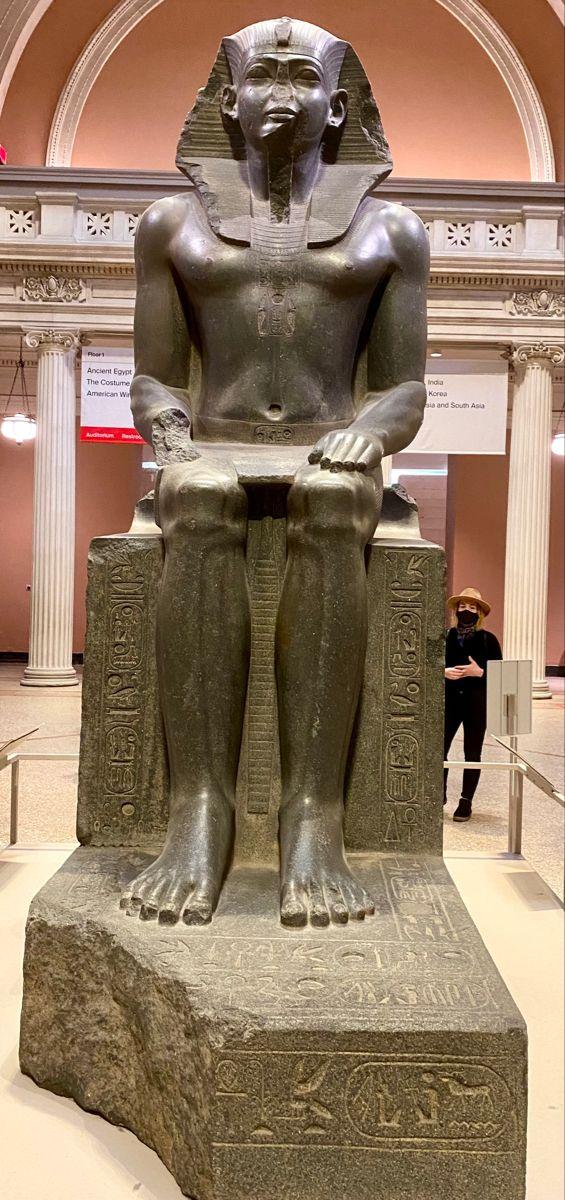
Amenemhat II was portrayed as a traditional Egyptian pharaoh.
He appeared before the gods.
He performed rituals.
He offered gifts.
He demonstrated his strength.
Royal images reinforced the idea that the king was responsible for maintaining order.
Maat
The concept of maat remained central.
The king's duty was to preserve justice, balance, and order.
Economic prosperity and military security could both be presented as evidence that maat was being maintained.
Literature
The Twelfth Dynasty is often described as a golden age of Egyptian literature.
Scribes created stories, wisdom texts, teachings, and religious works.
Literature explored complex themes.
These included leadership, loyalty, morality, death, and the relationship between individuals and the state.
Amenemhat II ruled during this cultural flowering.
Education
Scribes were trained in writing and administration.
Young officials learned how to read and write hieroglyphs and administrative scripts.
Education prepared them for careers in the royal bureaucracy.
The growth of the state increased the importance of educated officials.
Daily Life
For ordinary Egyptians, agriculture remained the center of life.
Farmers worked the fields.
Fishermen worked the Nile.
Craftsmen produced tools and household objects.
Merchants transported goods.
Families lived in villages and towns.
The stability of the Middle Kingdom allowed communities to prosper.
Food
Egyptian diets included bread, beer, vegetables, fish, fruits, and occasionally meat.
Grain was especially important.
The Nile provided abundant fish.
Dates, figs, onions, and legumes were common.
The agricultural surplus supported both the population and the state.
Clothing
Linen was the most important textile.
Egyptian craftsmen produced linen clothing from flax.
Elite clothing could be finely woven.
Jewelry was commonly used by wealthy Egyptians.
Gold and precious stones were especially associated with royal and elite status.
The Royal Court
Amenemhat II's court was probably a sophisticated institution.
Officials, priests, soldiers, scribes, servants, and craftsmen worked around the king.
The palace managed political and economic affairs.
The royal court was also a center of culture.
The King's Officials
Important officials administered different areas of government.
Some supervised agriculture.
Others managed the treasury.
Some organized military operations.
Others oversaw temples and religious activities.
The bureaucracy was essential to the success of the Middle Kingdom.
Economic Administration
The treasury collected valuable materials.
Gold from Nubia.
Stone from quarries.
Agricultural taxes.
Luxury products from foreign trade.
These resources allowed the king to finance the state.
The Importance of Trade
Trade was particularly important during Amenemhat II's reign.
The exchange of goods strengthened Egypt's economy.
Foreign luxury products reached Egyptian elites.
Egypt exported its own products.
Trade also created diplomatic relationships.
The reign demonstrates that Middle Kingdom Egypt was part of a wider international economic system.
The Mediterranean World
Egypt's connections extended toward the Mediterranean.
Foreign objects found in Egypt demonstrate contact with the Aegean and Levantine worlds.
These contacts were probably based largely on commerce and elite exchange.
The Ancient Near East
Egypt also interacted with communities in western Asia.
Timber from the Levant was particularly valuable.
Egypt lacked large forests suitable for producing enormous quantities of high-quality timber.
Foreign wood was therefore important for ships, furniture, and construction.
Cedar and Luxury Wood
The Levant supplied valuable timber.
Wood was transported over long distances.
Egyptian craftsmen used imported wood to produce high-quality objects.
This demonstrates the economic importance of international trade.
The Red Sea Network
The Red Sea was another major route.
Egyptian expeditions crossed the Eastern Desert.
They reached ports.
From there, they could travel toward Arabia and Africa.
This network brought incense and other luxury products into Egypt.
The Land of Punt
Punt remained one of the most famous trading destinations.
Egyptians valued its aromatic products.
Incense was essential for temple rituals.
The ability to obtain these products strengthened the prestige of the Egyptian king.
Amenemhat II and Economic Power
Amenemhat II's reign demonstrates that military conquest was not the only way to make a kingdom powerful.
Economic influence could be equally important.
Egypt's wealth allowed the king to maintain a strong army and sponsor monumental architecture.
Trade increased access to luxury products.
Agriculture provided the foundation.
Together, these factors created prosperity.
The End of His Reign
Amenemhat II ruled for approximately thirty years.
His reign helped preserve the stability of the Twelfth Dynasty.
He was eventually succeeded by his son, Senusret II.
The transition continued the dynasty's tradition of stable succession.
Senusret II
Senusret II became an important ruler in his own right.
He is especially associated with the development of the Faiyum.
His pyramid was built at Lahun.
His reign continued the economic and agricultural development begun by earlier Twelfth Dynasty rulers.
The Legacy of Amenemhat II
Amenemhat II left behind a prosperous Egypt.
His reign strengthened trade.
He maintained military security.
He supported the temples.
He continued the centralized administration.
He expanded Egypt's international connections.
His pyramid complex at Dahshur and its associated treasures demonstrate the wealth of the period.
Conclusion
Amenemhat II was an important king of Egypt's Twelfth Dynasty and one of the rulers who helped maintain the prosperity of the Middle Kingdom.
He inherited a powerful kingdom from his father, Senusret I.
Instead of facing the problems of a divided country, Amenemhat II ruled an Egypt that had already become stable, wealthy, and well organized.
His greatest contribution was maintaining and expanding this stability.
His reign is particularly important because of the evidence for Egypt's international connections.
Trade networks reached the Levant, Nubia, the Red Sea, and possibly the Aegean world.
Foreign luxury goods entered Egypt.
Egyptian products traveled abroad.
Diplomatic relationships connected the Egyptian court with foreign rulers.
The treasures discovered near Amenemhat II's pyramid at Dahshur provide some of the strongest evidence for the wealth of the Middle Kingdom royal court.
Gold jewelry, precious stones, and foreign-inspired objects demonstrate the sophistication of Egyptian craftsmanship and the importance of international exchange.
Amenemhat II also continued Egypt's military presence in Nubia.
The southern region was extremely valuable because of its gold and access to African trade routes.
Egyptian influence there protected important economic interests.
The king also maintained mining and quarrying expeditions in the Sinai and Eastern Desert.
These operations supplied copper, turquoise, stone, and other resources.
All of these activities depended on a strong centralized administration.
Amenemhat II inherited the bureaucracy developed by his father and grandfather.
Scribes recorded taxes.
Officials managed provinces.
The treasury controlled valuable resources.
The army protected borders and expeditions.
The temples received royal support.
The king remained at the center of this system.
His pyramid at Dahshur demonstrated his connection with traditional Egyptian kingship.
The pyramid may not have survived in its original form, but the archaeological discoveries associated with the complex provide a remarkable picture of royal wealth.
Religion also remained an important part of his reign.
Amenemhat II supported the traditional gods.
The cults of Amun and Osiris continued to grow.
The king was expected to maintain maat and preserve order between Egypt and the divine world.
His monuments and religious activities reinforced this role.
Amenemhat II's reign was also part of the cultural golden age of the Middle Kingdom.
Literature, art, architecture, and administration reached impressive levels of sophistication.
The Twelfth Dynasty became famous for its scribes, artists, engineers, soldiers, and administrators.
Amenemhat II helped preserve the stability that allowed this culture to flourish.
He was not remembered primarily as a great conqueror.
Instead, his importance came from maintaining Egypt's prosperity and strengthening its international connections.
His reign shows that ancient Egypt's power depended on more than military victories.
It depended on agriculture, trade, diplomacy, administration, religion, and access to natural resources.
Amenemhat II successfully maintained these systems.
When his reign ended, he passed a prosperous kingdom to his successor, Senusret II.
The Twelfth Dynasty continued to grow stronger.
Later rulers would develop the Faiyum, expand Egyptian control in Nubia, and construct some of the most impressive monuments of the Middle Kingdom.
Amenemhat II therefore occupies an important position in Egyptian history.
He inherited the achievements of Amenemhat I and Senusret I and helped preserve them for the next generation.
His reign represents a period when Egypt was wealthy, stable, internationally connected, and culturally sophisticated.
Amenemhat II was the pharaoh who helped turn the political stability of the Twelfth Dynasty into lasting economic prosperity. Through trade, diplomacy, military security, administration, and monumental construction, he helped keep Middle Kingdom Egypt at the height of its power.