Semerkhet was one of the early rulers of ancient Egypt and is generally considered the seventh king of Egypt’s First Dynasty. He ruled during the Early Dynastic Period, probably in the late 4th or early 3rd millennium BCE.
Semerkhet succeeded Anedjib and was followed by Qa'a, the final king of the First Dynasty.
His reign is particularly interesting because ancient Egyptian traditions preserve hints of political difficulties during this period. At the same time, archaeological evidence shows that the institutions of the Egyptian state continued to function.
Semerkhet is also remembered for his royal inscriptions, objects bearing his name, and his tomb at Abydos, which provides important evidence about early Egyptian royal burial traditions.
Who Was Semerkhet?
The name Semerkhet is usually interpreted as something similar to "Companion of the Divine Community", although the exact meaning of the early royal name remains uncertain.
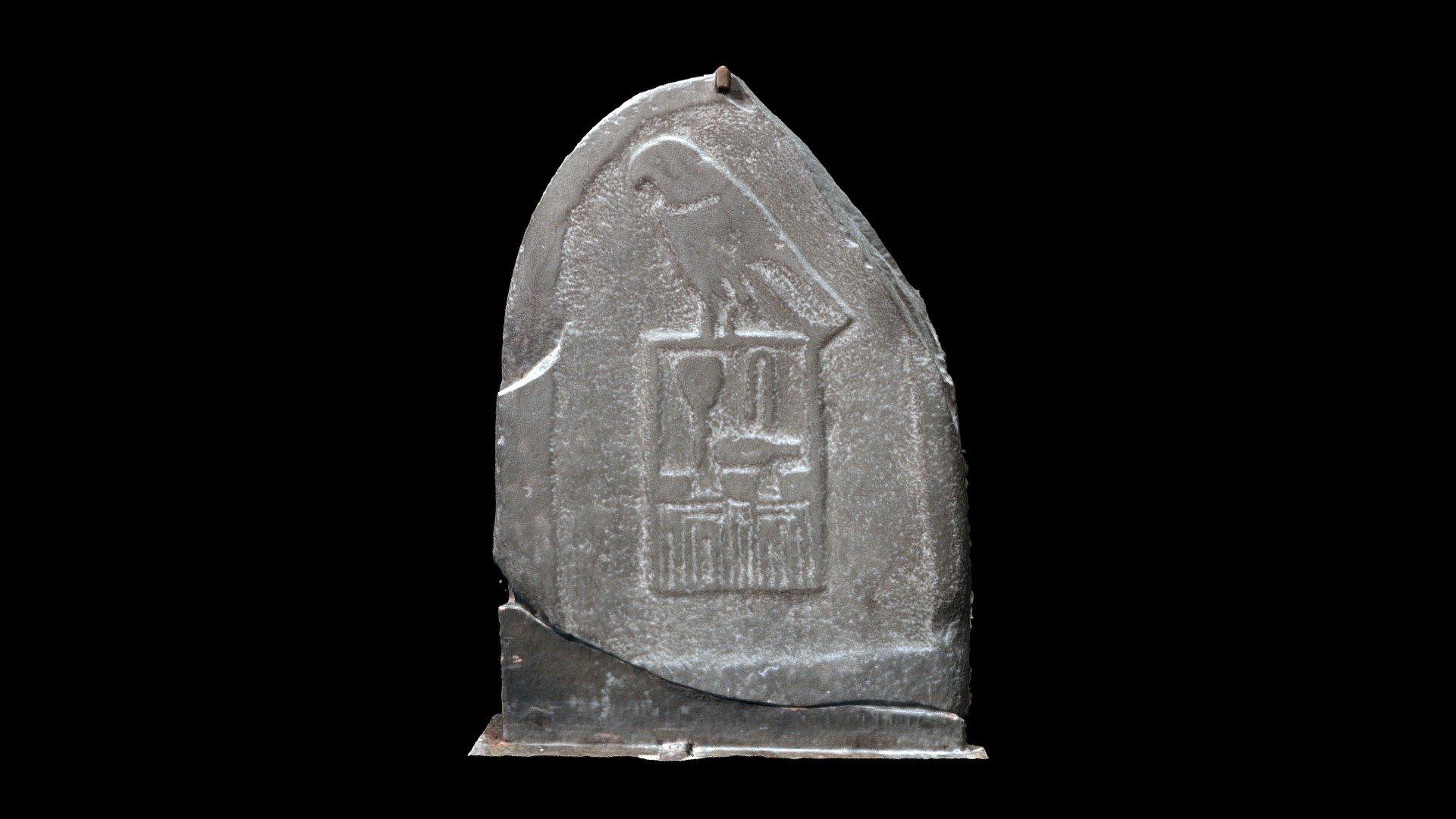
Like other First Dynasty rulers, Semerkhet used a Horus name written inside a royal serekh.
The serekh was a rectangular representation of the royal palace facade, with the falcon of Horus standing above it.
This symbol connected the king with Horus and demonstrated his divine authority.
Semerkhet ruled during a period when the Egyptian monarchy was already well established but was still developing its institutions.
Semerkhet and Anedjib
Semerkhet succeeded Anedjib, whose reign appears to have been relatively short.
The relationship between the two rulers is not completely understood.
Later traditions sometimes suggest that Semerkhet may have challenged or rejected some of Anedjib's royal traditions.
Some inscriptions associated with Semerkhet appear to show corrections or changes to earlier royal names.
However, Egyptologists continue to debate the meaning of this evidence.
It is possible that Semerkhet wanted to establish his own royal legitimacy rather than simply erase his predecessor.
The political situation of the First Dynasty remains difficult to reconstruct because contemporary written records are limited.
The First Dynasty
The First Dynasty was one of the most important periods in Egyptian history.
It represented the early development of the unified Egyptian kingdom.
Kings such as Narmer, Hor-Aha, Djer, Djet, Den, and Anedjib established a centralized monarchy.
They developed administrative institutions, royal estates, religious traditions, writing systems, and trade networks.
By Semerkhet's reign, the Egyptian state had existed for several generations.
The king inherited a system capable of collecting resources and organizing large royal projects.
His reign provides evidence that this system continued despite possible political tensions.
Semerkhet's Tomb at Abydos
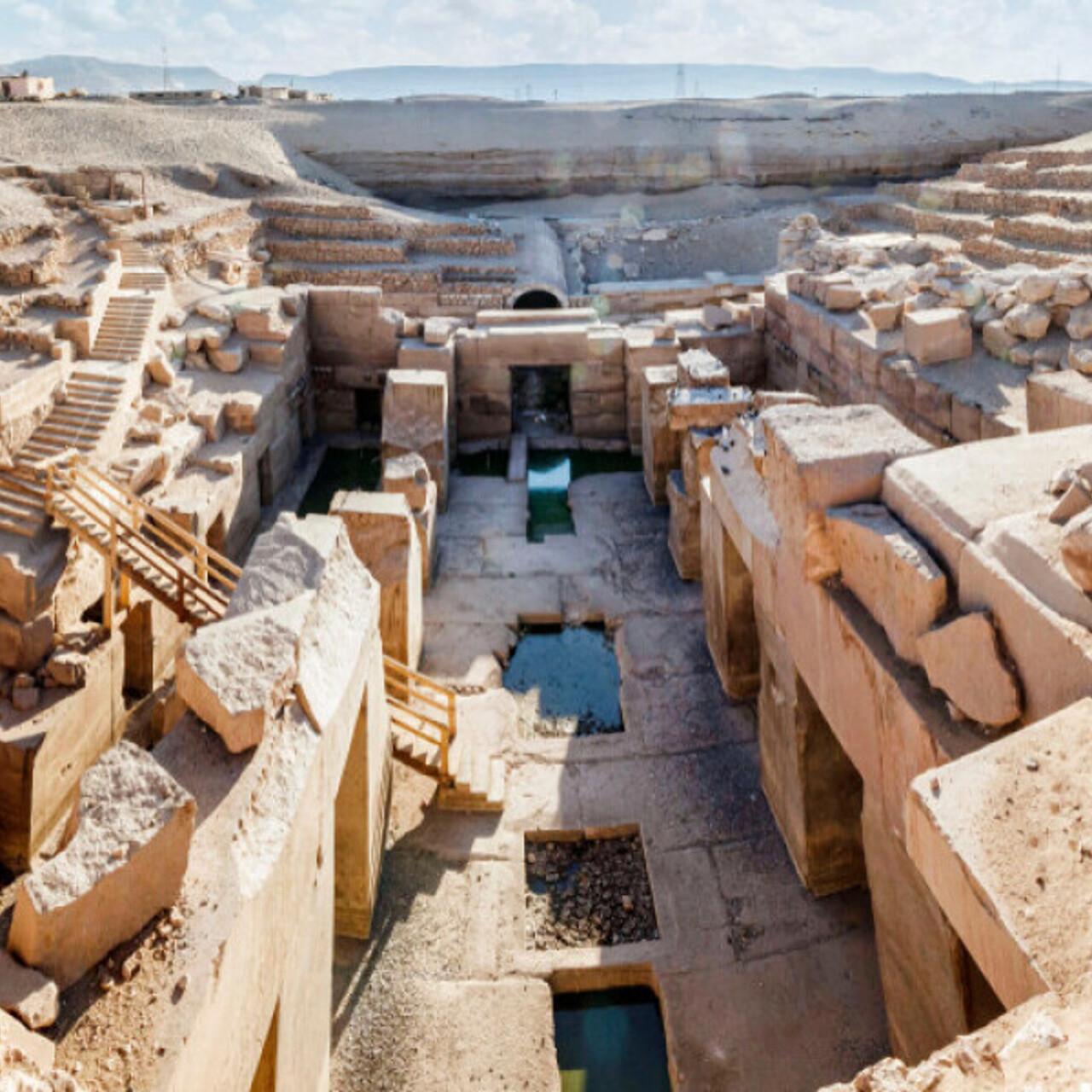
Semerkhet was buried at Abydos, in the royal cemetery of Umm el-Qa'ab.
His tomb is relatively large compared with some other First Dynasty royal tombs.
The burial complex consists of a central chamber surrounded by additional rooms.
The tomb was constructed mainly using mud brick, although stone was also used for important elements.
Its design demonstrates the continuing development of royal funerary architecture.
The Egyptians were gradually moving toward increasingly monumental royal burial structures.
The later pyramids would represent the culmination of this architectural development.
Royal Burial Traditions
Semerkhet's tomb provides important evidence about early Egyptian beliefs concerning death and the afterlife.
The Egyptians believed that the king continued to exist after death.
The burial complex was designed to protect his body and provide the resources necessary for his eternal existence.
Food, vessels, tools, and other objects could be placed within the tomb.
The royal burial also supported a continuing funerary cult.
Priests and officials could perform rituals and offerings for the deceased king.
These traditions would become increasingly sophisticated during later periods.
Abydos and Its Religious Importance
Abydos was one of the most important religious centers in ancient Egypt.
During the First Dynasty, it was primarily associated with royal burial.
Later, Abydos became strongly connected with Osiris, the god of the dead.
The city eventually became a major pilgrimage destination.
Egyptians traveled to Abydos to honor Osiris and participate in religious ceremonies.
The early royal tombs at Umm el-Qa'ab helped establish the sacred character of the area.
Semerkhet's burial therefore forms part of a much longer religious history.
Semerkhet and the Sed Festival
Semerkhet's reign is associated with royal ceremonies and the development of the Sed Festival tradition.
The Sed Festival was intended to renew the strength and legitimacy of the king.
In later periods, the festival was usually associated with a long reign, traditionally after thirty years.
However, the evidence from the First Dynasty suggests that the ceremony was still developing.
References connected with early kings show that royal renewal rituals were already important.
Semerkhet's participation in such traditions demonstrates the growing ceremonial character of Egyptian kingship.
Semerkhet and Royal Legitimacy
One of the most important responsibilities of an Egyptian king was to demonstrate his legitimacy.
The king was believed to rule according to divine order.
He had to maintain maat, the balance and harmony of the universe.
Royal names, titles, ceremonies, and monuments all helped communicate this legitimacy.
Semerkhet's inscriptions emphasized his identity as a divine ruler.
The use of the Horus name connected him with the god of kingship.
His burial at Abydos connected him with the sacred traditions of early Egyptian royalty.
The "Bad Years" Tradition
One of the most interesting aspects of Semerkhet's reign is a later tradition describing difficult years during his rule.
The Palermo Stone and related fragments preserve information about early Egyptian kings.
Some interpretations suggest that Semerkhet's reign may have experienced unusual events, possibly including natural or economic difficulties.
However, these records are difficult to interpret.
The Palermo Stone was created much later than Semerkhet's lifetime.
It therefore cannot be treated as a direct contemporary account.
Historians compare its information with archaeological evidence to determine what may have happened.
Natural Events and the Nile
The Nile was the foundation of Egyptian civilization.
The annual flood determined the amount of agricultural land that could be cultivated.
A low flood could reduce harvests and create economic difficulties.
A particularly high flood could also cause problems.
If later records preserve memories of unusual environmental conditions during Semerkhet's reign, they may indicate challenges faced by the early kingdom.
However, the exact nature of these events remains uncertain.
The Egyptian state was dependent on the Nile, making environmental conditions extremely important to the success of every pharaoh.
Semerkhet and Administration
Despite possible difficulties, the Egyptian administration continued to function during Semerkhet's reign.
Officials managed agricultural estates, collected resources, organized trade, and supported religious institutions.
Seal impressions provide evidence of administrative activity.
The development of writing allowed the government to keep increasingly detailed records.
This system was essential for maintaining centralized royal power.
The survival of Semerkhet's royal monuments demonstrates that the state remained capable of organizing resources.
Early Egyptian Writing
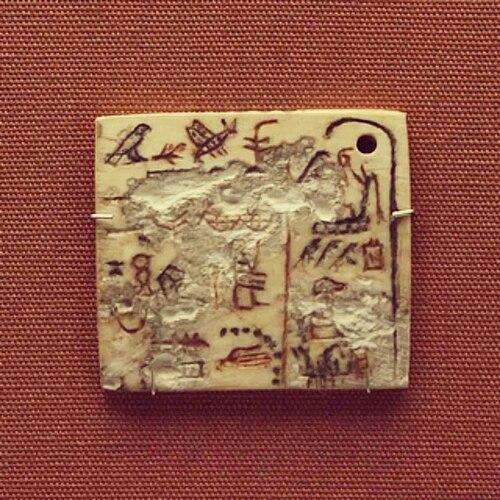
Semerkhet's reign belongs to the early stages of Egyptian writing.
Hieroglyphic signs were used to record royal names and administrative information.
Inscriptions were often short and highly symbolic.
Rather than providing long historical narratives, they identified kings, products, ceremonies, and institutions.
This writing system would eventually become capable of recording complex religious and literary texts.
Semerkhet's inscriptions therefore contribute to our understanding of how Egyptian writing developed.
Semerkhet and Royal Art
The art of the First Dynasty established many of the conventions that later became characteristic of ancient Egyptian art.
The king was represented as an idealized figure.
Royal symbols emphasized his power and divine status.
Animals and religious symbols were carefully selected for their meanings.
The use of the falcon of Horus above the royal serekh was particularly important.
These artistic traditions would survive for thousands of years.
Semerkhet's monuments belong to this early stage of Egyptian artistic development.
The Economy of Semerkhet's Egypt
Agriculture remained the foundation of the economy.
The fertile Nile Valley allowed farmers to produce crops that supported the population.
The government collected agricultural surplus through a centralized system.
Royal estates provided food and materials for the palace.
Craftsmen produced pottery, tools, jewelry, and ceremonial objects.
Trade brought additional resources from neighboring regions.
The economic organization of the First Dynasty provided the foundation for the growing power of the monarchy.
Semerkhet inherited this system and continued to rely on it.
Trade and Foreign Relations
Egypt maintained connections with surrounding regions during the First Dynasty.
Trade routes extended toward Nubia, Sinai, the Eastern Desert, and the Levant.
Egyptian expeditions sought valuable resources such as copper, turquoise, stone, and timber.
These materials were essential for tools, weapons, jewelry, buildings, and royal objects.
The ability to organize long-distance expeditions demonstrates the strength of the Egyptian government.
Although few detailed records survive from Semerkhet's reign, his period was part of this wider development.
Semerkhet's Military Role
The early Egyptian monarchy also required military power.
The king was responsible for protecting Egypt and maintaining control over its territory.
Military expeditions could secure trade routes and valuable resources.
There is limited evidence for major military campaigns during Semerkhet's reign.
This does not necessarily mean that the country was peaceful.
The surviving archaeological record is incomplete.
The king's military role remained an important part of royal ideology.
Semerkhet's Death and Succession
Semerkhet was eventually succeeded by Qa'a, who became the final king of the First Dynasty.
The transition from Semerkhet to Qa'a appears to have been relatively successful.
Qa'a's reign brought the First Dynasty to its conclusion.
The Second Dynasty followed, continuing many of the political and religious traditions established during the First Dynasty.
This transition demonstrates the durability of the Egyptian monarchy.
Even when individual rulers changed, the basic institutions of the state continued.
Semerkhet's Historical Importance
Semerkhet is important because he ruled during a critical stage in the development of the Egyptian state.
His reign provides evidence about early royal ceremonies, administrative systems, burial traditions, and religious ideology.
The possible political difficulties associated with his reign also provide historians with an opportunity to study the challenges faced by the young Egyptian monarchy.
Despite these challenges, the state survived and continued to develop.
This stability would eventually allow Egypt to enter the great age of pyramid building.
From Semerkhet to the Pyramids
The First Dynasty laid the foundations for the civilization that would later produce Egypt's most famous monuments.
The early kings developed centralized government.
They established royal cemeteries.
They strengthened religious traditions.
They developed writing and administration.
They organized trade and military expeditions.
During the Third Dynasty, Djoser transformed royal architecture with the Step Pyramid at Saqqara.
During the Fourth Dynasty, Egyptian builders constructed the pyramids of Giza.
The achievements of these later periods were built on foundations established centuries earlier.
Semerkhet was part of that foundation.
Semerkhet's Legacy
Although Semerkhet left fewer monuments than some later pharaohs, his surviving evidence remains valuable.
His tomb at Abydos demonstrates the importance of royal burial.
His inscriptions provide evidence about early royal ideology.
His association with ceremonial traditions reveals the developing role of the pharaoh as a sacred ruler.
His reign also provides insight into the challenges faced by the early Egyptian state.
The monarchy continued after him, demonstrating that the political system was becoming more durable.
Conclusion
Semerkhet was the seventh ruler of Egypt's First Dynasty and an important figure in the early history of the Egyptian monarchy.
He succeeded Anedjib and was later followed by Qa'a, the final king of the dynasty.
His reign took place during a period when Egypt was becoming increasingly centralized and politically organized.
Semerkhet's tomb at Abydos provides important evidence about the development of royal burial traditions.
His inscriptions and archaeological remains demonstrate the growing sophistication of Egyptian writing, administration, religious symbolism, and royal ceremony.
Later historical traditions suggest that his reign may have experienced difficulties, possibly connected with environmental or economic events.
However, the exact nature of these difficulties remains uncertain, and archaeological evidence shows that the Egyptian state continued to function.
Semerkhet's reign is therefore an important chapter in the story of early Egypt.
He ruled long before the great pyramids, temples, and royal tombs that made Egypt famous around the world.
Yet the traditions established during his lifetime contributed to the development of the civilization that produced those monuments.
Semerkhet was one of the early pharaohs who helped preserve and develop the institutions of the Egyptian monarchy, ensuring that the traditions of pharaonic rule would continue into the great ages of ancient Egyptian civilization.