Peribsen, also known as Seth-Peribsen, was one of the most unusual and fascinating rulers of ancient Egypt. He belonged to the Second Dynasty and ruled during the Early Dynastic Period, more than 4,500 years ago. Although he did not leave behind the enormous monuments associated with later pharaohs, his reign is extremely important because of the unusual religious symbolism connected with his royal name.
Peribsen is especially famous because he used the symbol of Seth above his royal serekh instead of the traditional falcon of Horus. This unusual change has caused considerable debate among Egyptologists. Some earlier historians believed it represented a religious conflict or civil war between followers of Horus and Seth. Modern scholars, however, are more cautious and believe that the change may have reflected political, regional, or religious developments rather than a simple military conflict.
Peribsen and the Second Dynasty
The Second Dynasty followed the First Dynasty, during which Egypt had developed many of the institutions that would later define pharaonic civilization.
Early kings such as Narmer, Hor-Aha, Djer, Djet, Den, Anedjib, Semerkhet, and Qa'a helped establish centralized government, royal administration, writing, trade, and religious traditions.
The Second Dynasty began with Hotepsekhemwy, followed by Raneb and Nynetjer. After Nynetjer, the sequence of rulers becomes more difficult to reconstruct. Kings such as Weneg, Sened, Sekhemib, Peribsen, and Khasekhemwy are associated with this complicated period.
Peribsen is generally placed in the later part of the dynasty.
The Royal Name of Peribsen
The most distinctive feature of Peribsen's reign is his royal name.
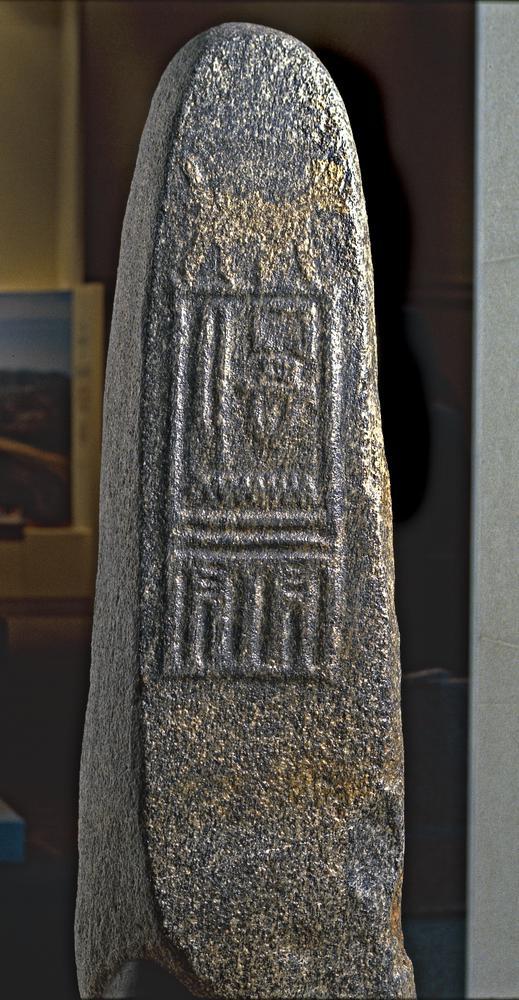
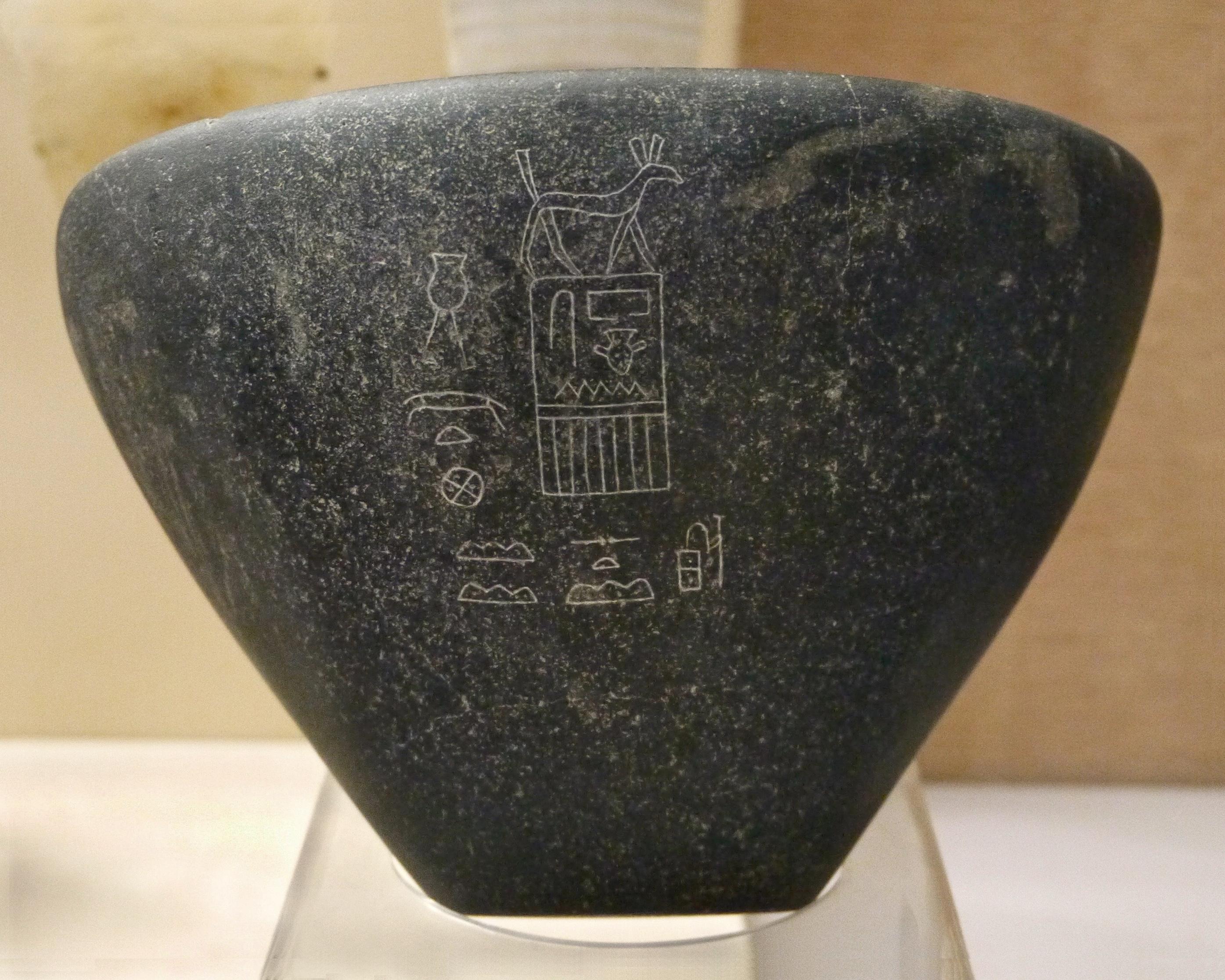
Early Egyptian kings normally displayed their royal names inside a serekh, a rectangular symbol representing the facade of the royal palace.
Above the serekh was usually a falcon representing Horus, the god strongly associated with Egyptian kingship.
Peribsen instead placed the animal associated with Seth above his serekh.
This was an extraordinary decision.
It shows that Seth had become an important part of Peribsen's royal identity.
The reason for this change remains unknown.
Who Was Seth?
Seth was one of ancient Egypt's most complex gods.
He was associated with the desert, storms, violence, dangerous forces, and disorder.
However, Egyptian religion did not divide the gods into simple categories of good and evil.
Seth could also act as a powerful protector.
In some religious traditions, Seth helped defend the sun god Ra against dangerous forces.
He was particularly connected with Upper Egypt and the ancient city of Naqada.
Peribsen's use of Seth therefore may have had an important regional or religious meaning.
Was Peribsen Involved in a Civil War?
For many years, historians believed that Peribsen's use of Seth represented a major religious conflict between Upper and Lower Egypt.
According to this theory, followers of Horus and Seth fought for control of Egypt.
Peribsen may have represented the Seth faction and ruled mainly in Upper Egypt.
However, modern archaeology has not produced enough evidence to prove that such a large-scale civil war occurred.
The change in royal symbolism could have represented a change in religious ideology or political organization.
It might also have reflected regional traditions.
Therefore, the idea of a Horus-Seth civil war should be regarded as a theory rather than an established historical fact.
Peribsen's Tomb at Abydos
Peribsen was buried at Umm el-Qa'ab, near Abydos in Upper Egypt.
His tomb is known as Tomb P.
Abydos was one of the most important royal cemeteries in Early Dynastic Egypt.
The earliest Egyptian kings were buried in this area, creating a sacred connection between the living monarchy and the royal ancestors.
Peribsen's tomb contained numerous objects and seal impressions that provide valuable information about his reign.
These discoveries have helped Egyptologists understand the political and religious environment of the Second Dynasty.
The Peribsen Seal
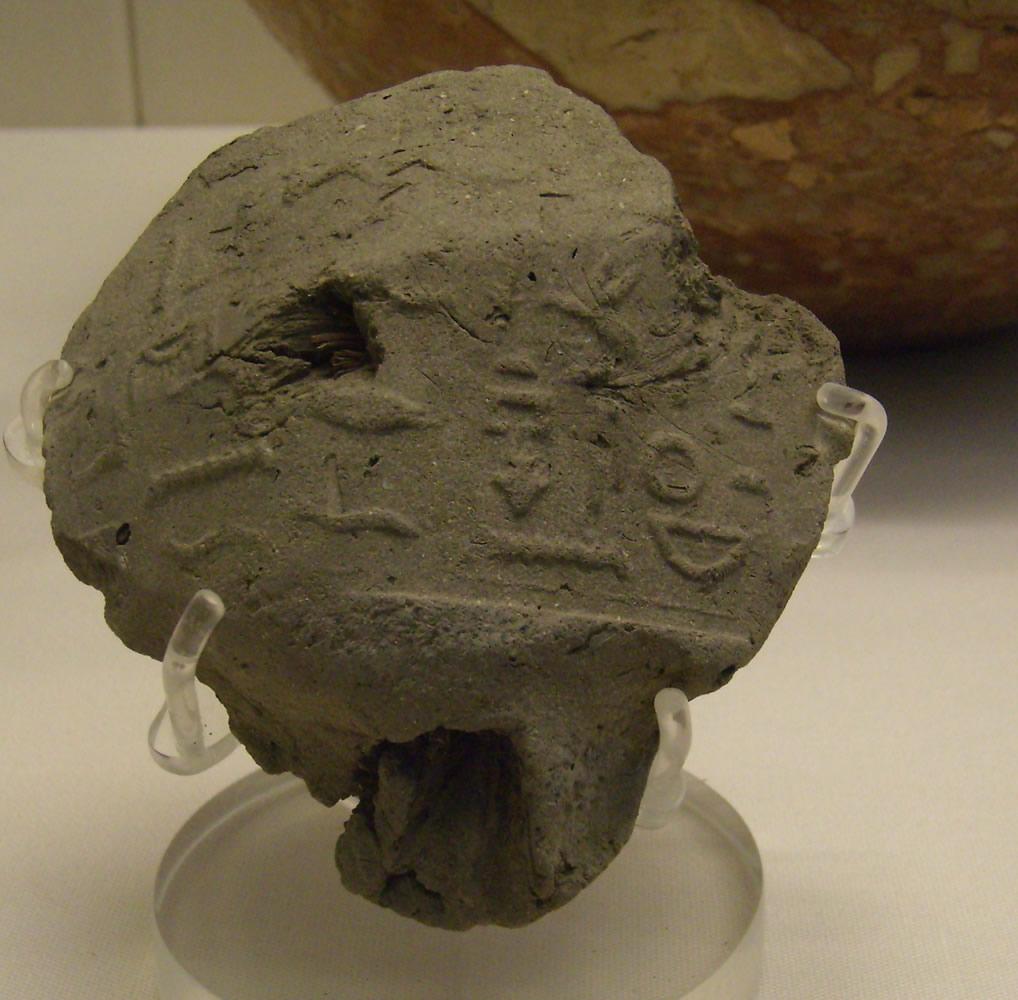
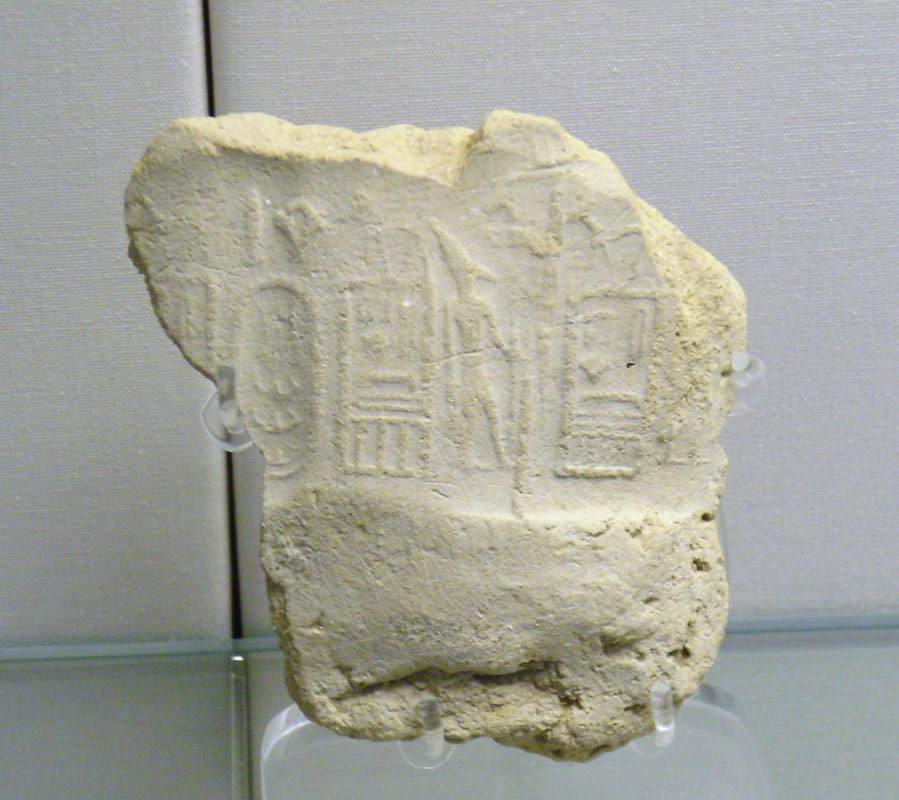
One of the most important discoveries associated with Peribsen is a seal impression found in his tomb.
The inscription is particularly valuable because it represents one of the earliest known examples of a complete Egyptian sentence.
The inscription connects Peribsen with the god of Ombos, generally understood to be Seth.
It presents Seth as giving the Two Lands to Peribsen.
This is extremely significant.
It suggests that Seth was not simply a minor deity during Peribsen's reign.
Instead, Seth was presented as the divine source of the king's authority.
The inscription also shows how Egyptian writing was becoming more sophisticated.
Peribsen and the Two Lands
Ancient Egyptians traditionally described their kingdom as the Two Lands.
These represented Upper and Lower Egypt.
The pharaoh's role was to maintain the unity and balance of the kingdom.
The Peribsen inscription referring to the Two Lands is therefore particularly important.
Even though Peribsen used the symbol of Seth instead of Horus, his royal ideology still referred to authority over the unified Egyptian kingdom.
This suggests that the concept of a united Egypt remained important.
Peribsen and Sekhemib
Another major mystery concerns the relationship between Sekhemib and Peribsen.
Objects bearing the name Sekhemib were discovered in Peribsen's tomb.
Some Egyptologists have suggested that Sekhemib and Peribsen may have been two names used by the same king.
Under this theory, the ruler may initially have used the name Sekhemib and later changed his royal name to Peribsen.
The change could have been connected with a shift in religious or political ideology.
However, the evidence is not conclusive.
Other scholars treat Sekhemib and Peribsen as separate rulers.
The question remains unresolved.
The Egyptian Government
Despite the unusual religious symbolism associated with his reign, Peribsen continued to rule within a sophisticated Egyptian administrative system.
The state depended on agriculture, taxation, trade, and royal estates.
Officials managed agricultural production and stored food.
The central government controlled valuable resources and organized expeditions.
Writing and seal impressions helped administrators control goods and shipments.
The king remained the highest political and religious authority.
Peribsen's reign therefore continued many traditions established by earlier Egyptian rulers.
Agriculture and the Nile
The Nile River was the foundation of Egyptian civilization.
Every year, its flood deposited fertile soil along the riverbanks.
Farmers grew wheat, barley, flax, vegetables, and other crops.
Agricultural production created a surplus that supported the royal government.
The state collected and redistributed resources.
The Nile also provided the main transportation route through Egypt.
Boats carried food, stone, tools, people, and other goods.
This natural transportation system helped maintain the unity of the kingdom.
Trade and Natural Resources
Egypt did not possess every resource it needed.
The government therefore organized trade and expeditions.
Copper and turquoise were obtained from the Sinai Peninsula.
The Eastern Desert provided stone and minerals.
Nubia provided access to southern resources and trade routes.
Egypt also maintained connections with regions to the northeast.
These trade networks demonstrate the growing organizational power of the Egyptian state.
Peribsen's reign belonged to a period when these economic connections were already well established.
Writing During Peribsen's Reign
Egyptian writing was still developing during the Second Dynasty.
Early inscriptions were often short and consisted of royal names, titles, labels, and administrative information.
The inscriptions connected with Peribsen demonstrate that Egyptian scribes were becoming capable of recording more complicated statements.
His seal inscription is especially valuable because it combines the king's name, divine authority, and the concept of the Two Lands.
This makes Peribsen an important figure in the history of Egyptian writing.
Stone Vessels and Royal Objects
Stone vessels were common elite objects during the Early Dynastic Period.
They could be used for storage, religious ceremonies, offerings, or funerary purposes.
Many were carefully polished and sometimes decorated with royal inscriptions.
Objects bearing Peribsen's name provide direct evidence of his reign.
The craftsmanship of these objects demonstrates the technical abilities of Egyptian artisans.
They also show how the royal administration used writing and symbols to identify goods connected with the king.
The Importance of Abydos
Abydos remained an important religious and royal center.
The cemetery of Umm el-Qa'ab contained the tombs of Egypt's earliest rulers.
Centuries later, Abydos became one of the most important centers of the worship of Osiris, god of the dead.
Peribsen's burial at Abydos therefore connected him with a long tradition of Egyptian kingship.
His tomb provides valuable archaeological evidence from a period when very few royal monuments survive.
The End of the Second Dynasty
The political situation following Peribsen remains difficult to reconstruct.
Several kings are mentioned in different sources, but their exact sequence is debated.
Eventually, Khasekhemwy became the final ruler of the Second Dynasty.
Khasekhemwy is particularly interesting because his royal symbolism incorporated both Horus and Seth.
Some historians interpret this as a symbol of reconciliation between the two divine traditions.
Although the exact meaning is uncertain, it may indicate that the political or religious tensions of the period had changed.
Khasekhemwy eventually established stronger royal authority.
From Peribsen to Djoser
The end of the Second Dynasty prepared the way for the Third Dynasty.
Egypt had developed a strong central government capable of organizing large projects.
Its craftsmen had advanced technical skills.
Its scribes could record administrative and religious information.
Its officials could manage large amounts of agricultural resources.
These developments eventually allowed Djoser to construct the famous Step Pyramid at Saqqara.
The Step Pyramid represented a major revolution in Egyptian architecture.
It was one of the first great monumental structures built entirely from stone.
The achievements of Djoser's reign were possible because of centuries of political and administrative development.
Peribsen belonged to this formative period.
Peribsen's Historical Legacy
Peribsen left behind fewer monuments than many later pharaohs, but his historical importance is considerable.
His use of Seth in royal symbolism provides evidence of changing religious traditions.
His tomb at Abydos provides information about royal burial customs.
His seal impressions reveal the development of Egyptian writing.
His possible relationship with Sekhemib raises important questions about royal identity.
His reign also offers clues about the political situation of the later Second Dynasty.
For these reasons, Peribsen remains one of the most studied rulers of Early Dynastic Egypt.
Conclusion
Peribsen, or Seth-Peribsen, was one of the most mysterious and fascinating kings of Egypt's Second Dynasty.
His reign occurred during a crucial period when the Egyptian state was developing its political institutions and religious identity.
His most remarkable feature was his use of Seth instead of Horus in his royal serekh.
This change has produced many theories about political conflict, religious transformation, and regional differences.
However, there is no conclusive evidence that Egypt experienced a large-scale civil war between followers of Horus and Seth.
Peribsen's tomb at Abydos provides some of the strongest evidence about his reign.
Seal impressions from the tomb connect him with Seth and demonstrate the growing sophistication of Egyptian writing.
His possible connection with Sekhemib remains another important historical mystery.
Eventually, the Second Dynasty ended with Khasekhemwy, whose reign appears to have strengthened Egyptian unity.
Soon afterward, Egypt entered the Third Dynasty and the age of Djoser and the Step Pyramid.
Peribsen may not have built a monument as famous as the pyramids of Giza, but his reign represents an important chapter in the development of ancient Egyptian civilization.
His unusual royal symbolism, connection with Seth, and mysterious political circumstances make Peribsen one of the most intriguing pharaohs of Egypt's earliest dynasties.