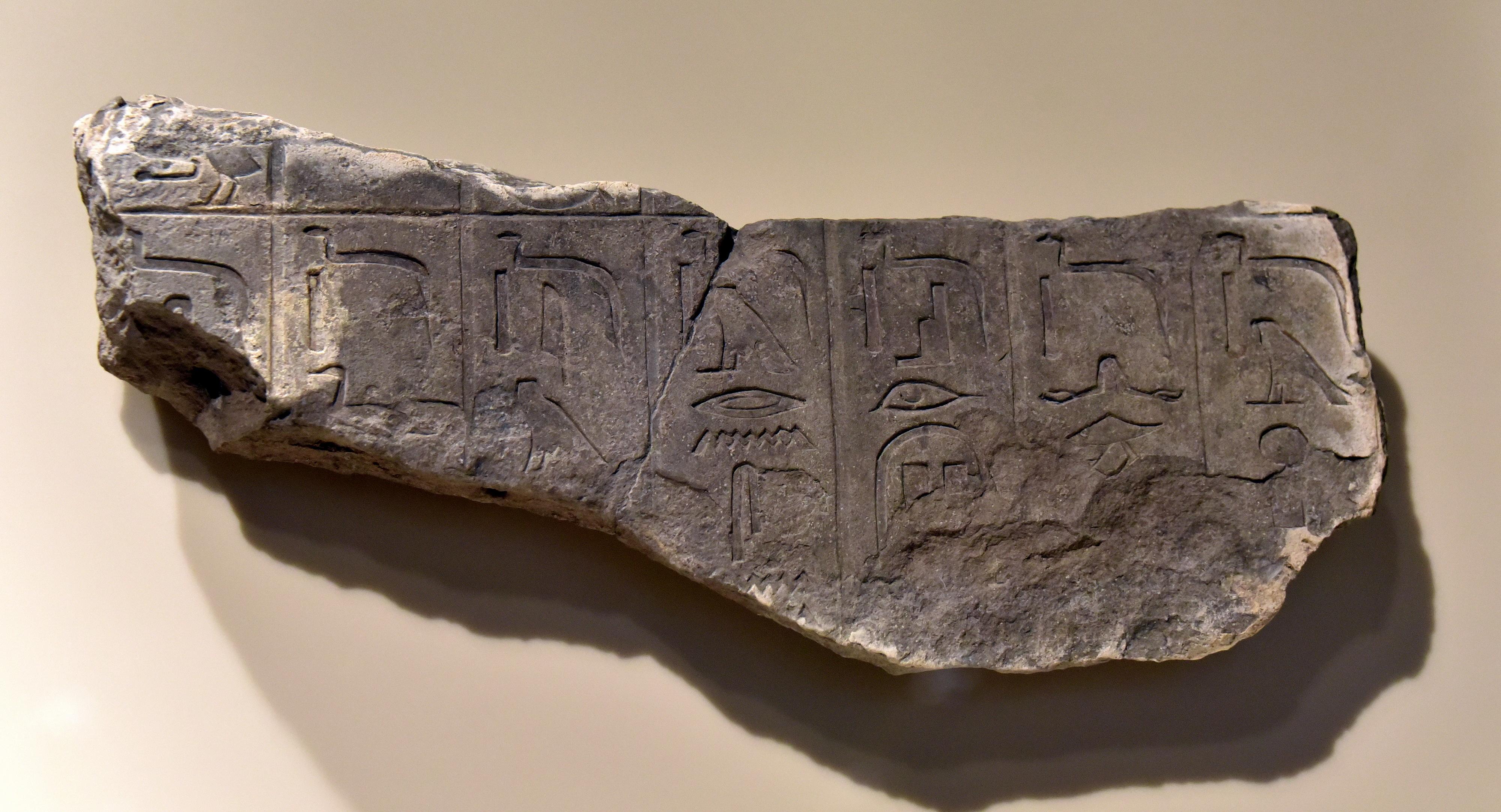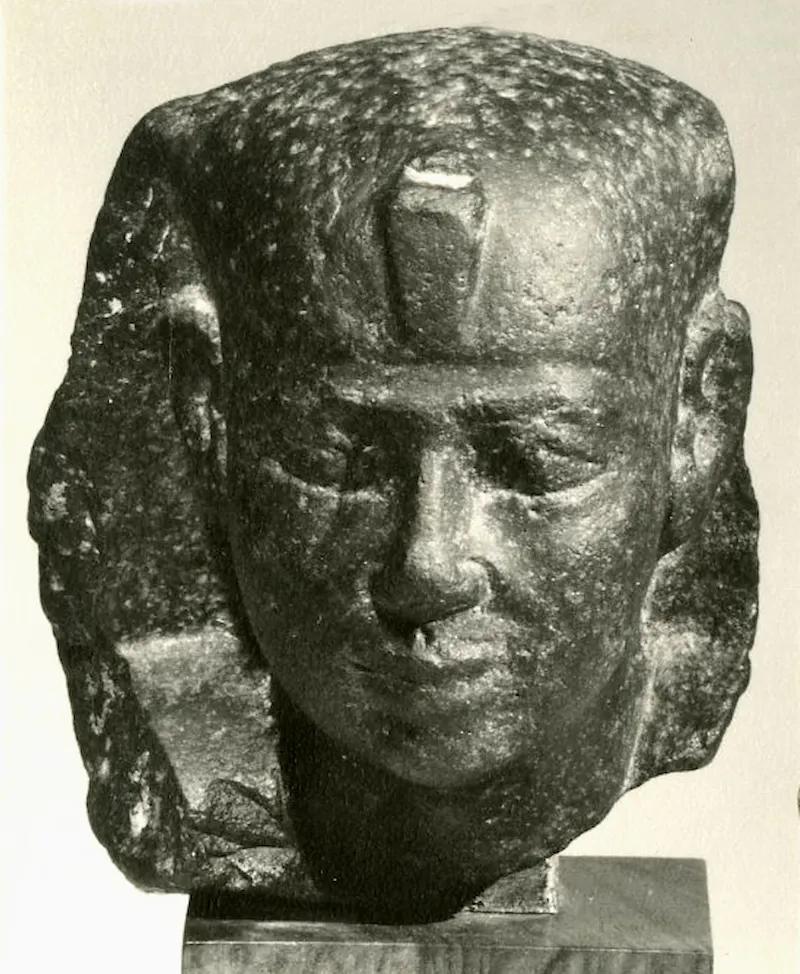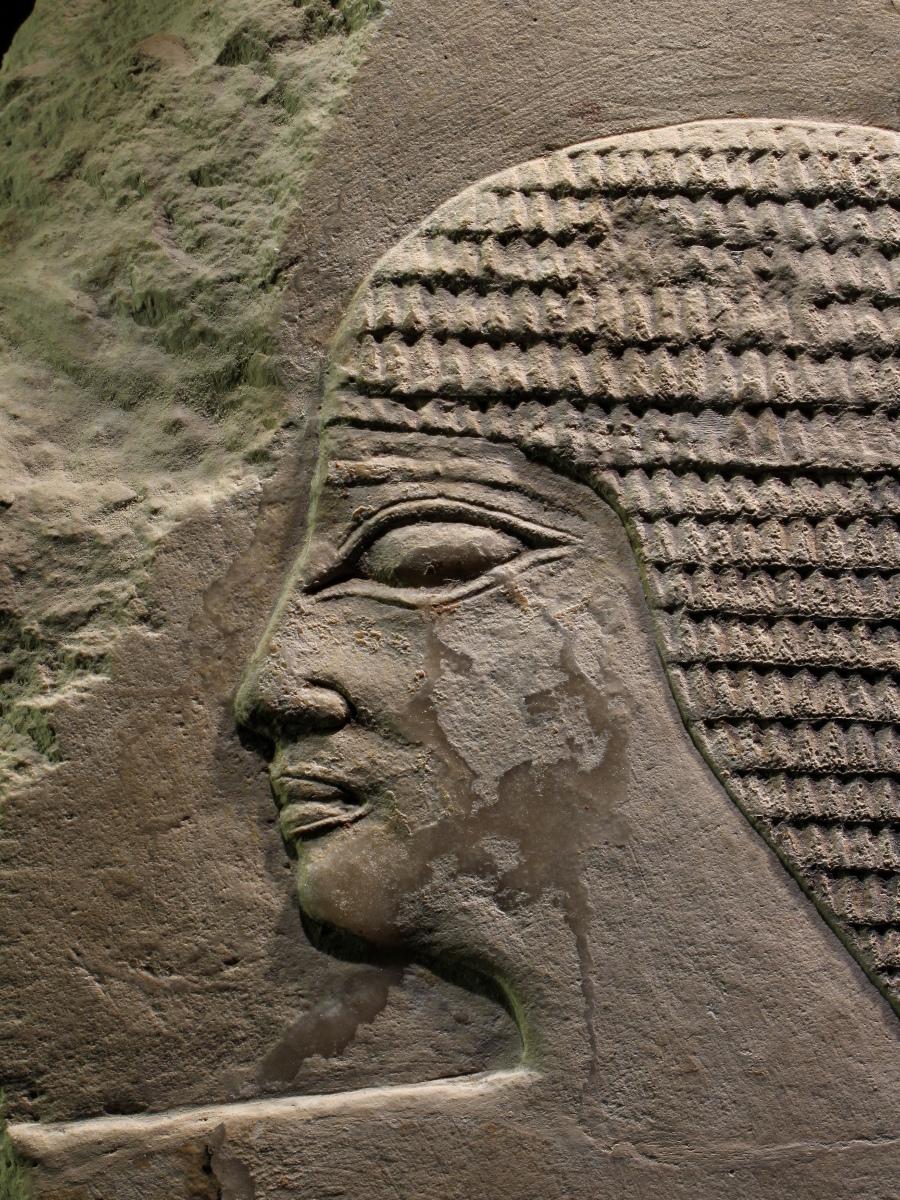
Pepi II, also known as Neferkare, was one of the most famous rulers of Egypt's Sixth Dynasty and one of the final great pharaohs of the Old Kingdom. He is traditionally remembered as the king who ruled Egypt for an extraordinarily long time, although the exact length of his reign remains debated by modern historians.
Pepi II became king at a very young age after the death of his older half-brother, Merenre I. Because he was still a child, his mother, Ankhesenpepi II, played an important role in the royal court during the early years of his reign.
His reign is especially important because it lasted through a period of major political and social change. Egypt continued to maintain its religious traditions, trade routes, military expeditions, and royal monuments. At the same time, provincial governors and local elites gradually became more powerful.
Pepi II's reign therefore represents both the strength and the gradual transformation of the Old Kingdom.
Pepi II's Early Life
Pepi II was born into the royal family of the Sixth Dynasty.
His father was Pepi I, one of the most powerful kings of the Old Kingdom.
His mother was Ankhesenpepi II, an important royal woman whose family had strong connections with the Egyptian elite.
Pepi II also had a close connection to his predecessor, Merenre I, who was his older half-brother.
Growing up in the royal court meant that Pepi II was surrounded by priests, scribes, military commanders, administrators, and members of the royal family.
He was prepared from an early age to become the ruler of Egypt.
Pepi II Becomes King
When Merenre I died, Pepi II became pharaoh.
He was probably still very young.
His accession created a situation in which experienced members of the royal court had to help govern the country.
His mother, Ankhesenpepi II, was especially important during this period.
She became one of the most influential women of the Sixth Dynasty.
Pepi II adopted the throne name Neferkare, meaning approximately "Beautiful is the Ka of Ra."
The name emphasized his connection with the sun god Ra.
The Young Pharaoh
A young king could not personally manage every aspect of Egypt's enormous administration.
Senior officials therefore played major roles.
They managed taxation, agriculture, military expeditions, temples, trade, and provincial government.
The royal court continued to function through these officials.
Pepi II's long reign would eventually allow him to become a powerful ruler, but his childhood placed considerable responsibility on his family and administrators.
Ankhesenpepi II
Pepi II's mother was one of the most important royal women of her time.
She was the wife of Pepi I and the mother of both Merenre and Pepi II.
After the death of Merenre, her political importance increased.
She helped support the young Pepi II and maintain continuity within the royal family.
Her monument at Saqqara provides valuable evidence about royal women during the late Sixth Dynasty.
The Length of Pepi II's Reign
Pepi II is traditionally said to have ruled for an exceptionally long period.
Ancient historical traditions gave him a reign of around 94 years.
However, modern Egyptologists debate whether he actually ruled for that long.
The surviving evidence does indicate that he had a very long reign, but the exact number of years is uncertain.
If the traditional figure is correct, Pepi II would have become king as a child and remained pharaoh into extreme old age.
The Problem of the 94-Year Reign
The famous figure of 94 years comes mainly from the ancient historian Manetho, who wrote about Egyptian history many centuries after Pepi II.
Another ancient source, the Royal Canon of Turin, has also been interpreted in discussions about the length of his reign.
Because these sources are much later than Pepi II himself, historians carefully evaluate them against archaeological evidence.
Therefore, it is safer to say that Pepi II ruled for a very long time rather than claiming that 94 years is certain.
A King Who Ruled for Generations
If Pepi II did rule for many decades, his reign would have affected several generations of Egyptians.
People could have been born, lived, and died while the same pharaoh remained on the throne.
This would have given Pepi II an extraordinary symbolic position.
He would have represented stability and continuity.
However, such an extremely long reign could also create problems when the king became elderly.
Pepi II's Government
During Pepi II's reign, the Egyptian government remained highly organized.
Scribes recorded taxes and agricultural production.
Officials managed royal estates.
Priests controlled temple activities.
Provincial governors administered local regions.
The king remained the theoretical center of political authority.
However, the balance between the central government and provincial officials was changing.
The Rise of Provincial Power
One of the most important developments of the late Old Kingdom was the increasing power of local officials.
Governors controlled estates and resources in their regions.
They built impressive tombs for themselves and their families.
Their inscriptions sometimes emphasized their personal achievements rather than simply their service to the king.
Over time, provincial families became increasingly independent.
This development would become important during the political transformation that followed the Old Kingdom.
The Governors of Upper Egypt
Upper Egypt became especially important.
Provincial governors controlled regions along the Nile and played major roles in trade and administration.
Some officials maintained strong connections with Nubia.
They organized expeditions and supervised trade.
Their wealth and influence increased over generations.
Pepi II's government depended on these officials, but their growing independence also created a challenge for centralized royal power.
Pepi II and Nubia
Relations with Nubia remained important during Pepi II's reign.
Egypt relied on the southern regions for valuable resources.
Gold, ivory, ebony, animal products, and other goods traveled north.
Nubia was also an important route toward regions deeper in Africa.
Egyptian officials continued to organize expeditions southward.
Harkhuf and the South
The famous explorer Harkhuf had already served during the reigns of Merenre I and Pepi II.
His tomb at Qubbet el-Hawa near Aswan contains important inscriptions.
These inscriptions describe his expeditions into Nubia and beyond.
Harkhuf brought valuable goods back to Egypt.
His career demonstrates the continuing importance of long-distance exploration during Pepi II's reign.
The Famous Letter to Harkhuf
One of the most famous documents associated with Pepi II is the letter he sent to Harkhuf.
The young king was extremely excited about an unusual person Harkhuf was bringing from the south.
The text indicates that the king wanted the person brought safely to the royal court.
This story is often interpreted as referring to a dancing dwarf or pygmy-like person.
The letter provides a rare glimpse into the personality and interests of the young king.
Why the Letter Is Important
The letter is important for several reasons.
It shows that the Egyptian king communicated directly with provincial officials.
It demonstrates the value placed on exotic discoveries.
It provides evidence of Egypt's contacts with central Africa.
Most importantly, it gives historians a rare glimpse into the behavior of a young Egyptian ruler.
Trade and Exploration
Pepi II's government continued long-distance trade.
Expeditions traveled through the deserts and along the Nile.
Egyptians searched for valuable materials and luxury goods.
The state needed these resources for temples, palaces, royal monuments, and elite households.
Trade also strengthened Egypt's connections with neighboring regions.
Egypt's Desert Expeditions
The Eastern Desert contained important mineral resources.
Expeditions traveled into these difficult areas to obtain stone and minerals.
Workers needed water, food, tools, and protection.
The organization of such expeditions demonstrates the logistical abilities of the Egyptian administration.
Sinai and Mining
The Sinai Peninsula was important for turquoise and copper.
Egyptian expeditions had been traveling there since earlier periods.
These resources were essential for Egyptian craftsmen.
Copper was used for tools and weapons.
Turquoise was highly valued for jewelry and religious objects.
Pepi II's government continued the exploitation of these resources.
Pepi II's Pyramid
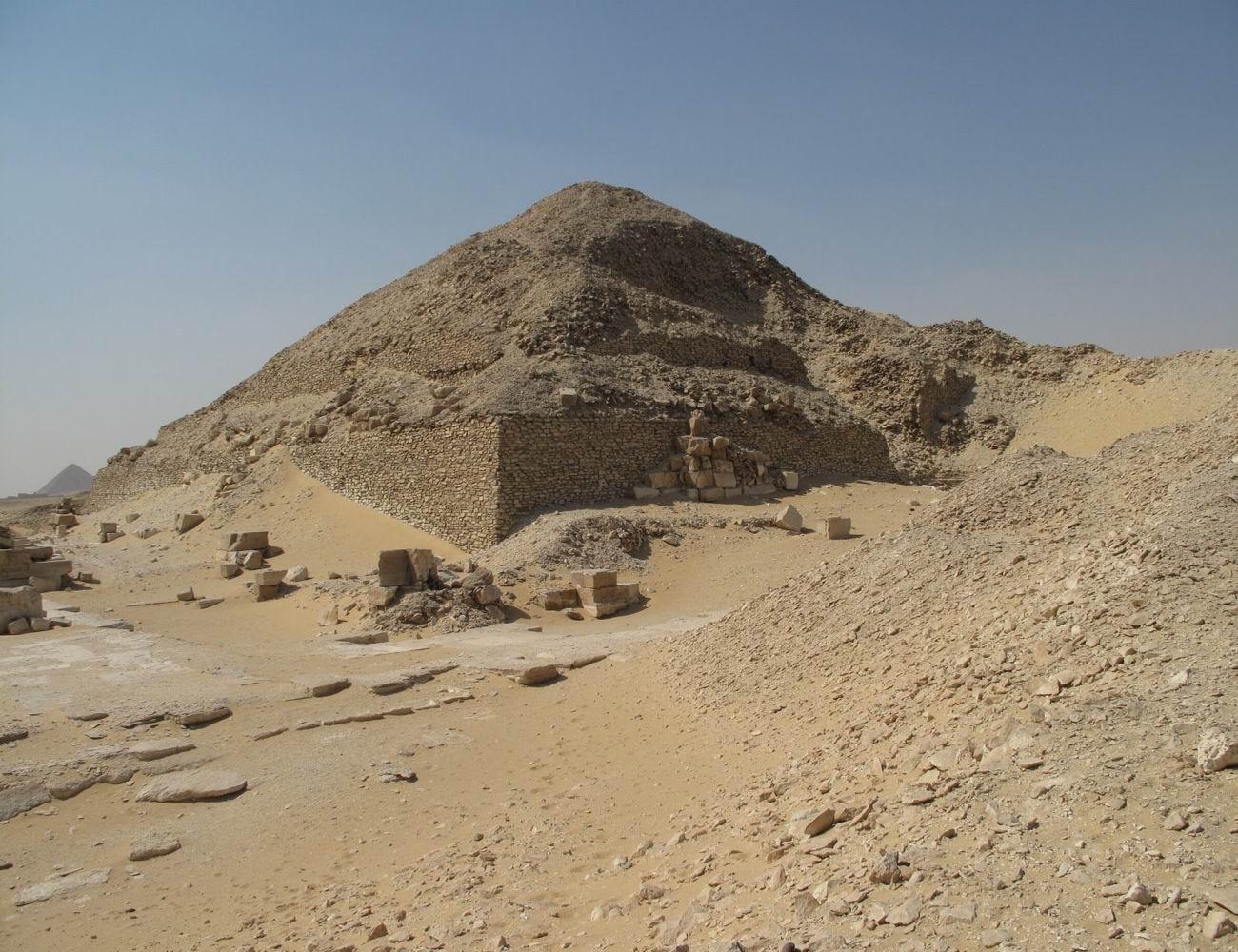
Pepi II built his pyramid at Saqqara.
The pyramid was part of a large funerary complex.
Its ancient name was associated with the king's royal identity.
The complex included a mortuary temple and other structures needed for the king's eternal cult.
Although the monument has suffered extensive damage, it remains an important archaeological site.
Pyramid Texts of Pepi II
Pepi II's pyramid contained Pyramid Texts.
These sacred inscriptions were intended to protect the king after death.
They contained prayers, spells, hymns, and references to the gods.
The texts describe the king's transformation and his journey into the divine world.
They also demonstrate the importance of Osiris and Ra in royal funerary beliefs.
Pepi II and Osiris
Osiris was the god of resurrection and the afterlife.
The deceased king was identified with Osiris.
After death, Pepi II was expected to become an eternal divine ruler.
The Pyramid Texts helped him overcome dangers in the afterlife.
They also connected him with the larger cycle of death and resurrection.
Pepi II and Ra
Pepi II's throne name, Neferkare, directly referenced Ra.
The sun god represented life, light, renewal, and cosmic order.
The pharaoh was associated with the solar cycle.
Every sunrise represented renewal.
The king's eternal existence was connected with this cycle.
The Royal Family
Pepi II's royal family was large and politically important.
He had several wives and children.
Royal marriages helped establish alliances between different powerful families.
Some of the women associated with Pepi II became important figures in the later Sixth Dynasty.
The royal family also became connected to influential provincial elites.
Pepi II's Wives
Among the women associated with Pepi II were several queens whose monuments have been discovered at Saqqara.
Their tombs and funerary monuments demonstrate the importance of royal women.
They also provide evidence of the complex relationships within the royal family.
Royal women could possess significant wealth and religious status.
Pepi II's Children
Pepi II had several children.
One of his sons was Merenre Nemtyemsaf II, who appears to have ruled briefly after Pepi II.
Another royal successor was connected with the final years of the Sixth Dynasty.
The succession after Pepi II became increasingly complicated.
Pepi II's Later Years
If Pepi II truly ruled for many decades, his later years must have been very different from his childhood.
The king would have become an elderly ruler.
Officials and family members would have taken on increasing responsibilities.
Provincial governors would have become even more influential.
The central government may have struggled to maintain the same level of control across Egypt.
Economic Challenges
The late Old Kingdom experienced increasing economic pressures.
Maintaining temples, officials, armies, and royal institutions required enormous resources.
Agricultural production depended on the Nile flood.
If environmental conditions became less favorable, the state could experience shortages.
The exact relationship between climate changes and the end of the Old Kingdom remains debated.
The Nile and Climate
Egypt depended heavily on the annual Nile flood.
The agricultural economy could be affected by changes in rainfall in the Nile's upstream regions.
Reduced flooding could decrease agricultural production.
This could create food shortages and weaken state finances.
Some researchers have connected environmental changes near the end of the Old Kingdom with political instability.
However, climate was only one factor among many.
The Growing Independence of Officials
As provincial governors became wealthier, they could exercise greater independence.
Their tombs became larger and more elaborate.
They established strong local identities.
In some areas, local officials effectively controlled regional resources.
This weakened the exclusive control of the central government.
Pepi II's long reign may have contributed to this development simply because the political structure remained in place for such a long period.
Was Pepi II Responsible for the Collapse?
Pepi II is sometimes blamed in later popular stories for the eventual collapse of the Old Kingdom.
However, historians do not consider it accurate to blame one king for such a complex historical transformation.
The end of the Old Kingdom resulted from multiple factors.
Political decentralization, economic pressures, environmental changes, and the growing independence of provincial elites all played possible roles.
Pepi II's reign should therefore be understood within this larger historical process.
Art During Pepi II's Reign
Egyptian art remained highly developed during the Sixth Dynasty.
Tombs were decorated with scenes of agriculture, hunting, fishing, animals, food production, and religious ceremonies.
Artists created detailed representations of everyday life.
Royal statues continued to portray the pharaoh as youthful and powerful.
Even when the political system was changing, Egyptian artistic traditions remained remarkably stable.
Everyday Life in Pepi II's Egypt
Most Egyptians continued to live according to the agricultural cycle.
Farmers cultivated fields along the Nile.
Fishermen worked on the river.
Craftsmen produced pottery, textiles, furniture, tools, and jewelry.
Merchants transported goods.
Scribes worked in government offices and temples.
The lives of ordinary Egyptians were very different from those of the royal court, but all depended on the Nile and the agricultural economy.
Religion and Maat
The concept of maat remained central to Egyptian kingship.
Maat represented truth, justice, harmony, and cosmic balance.
The pharaoh was responsible for maintaining maat.
He had to support temples, honor the gods, protect Egypt, and ensure social order.
Pepi II's religious role was therefore just as important as his political authority.
Pepi II's Legacy
Pepi II left a complicated legacy.
He is remembered as a remarkably long-reigning king.
His pyramid and Pyramid Texts remain important archaeological evidence.
His reign preserved Egyptian influence in Nubia and maintained long-distance expeditions.
At the same time, his reign witnessed the growing power of provincial officials.
This political transformation became more obvious after his death.
The End of the Sixth Dynasty
After Pepi II died, the Sixth Dynasty rapidly approached its end.
His successor Merenre Nemtyemsaf II appears to have ruled only briefly.
Other rulers followed during a period of political instability.
Eventually, the Old Kingdom came to an end.
Egypt entered the First Intermediate Period, when political authority became more decentralized.
Pepi II's Historical Importance
Pepi II is important because his reign stands at the boundary between two major phases of Egyptian history.
He represents the final strength of the Old Kingdom.
At the same time, the changes that would lead to political fragmentation were becoming increasingly visible.
His reign therefore provides historians with an opportunity to study how a powerful centralized state gradually transformed.
Conclusion
Pepi II was one of the most remarkable pharaohs of ancient Egypt.
He became king while still a child after the death of his older half-brother Merenre I.
His mother, Ankhesenpepi II, played an important role during his early years, helping maintain stability within the royal family.
Pepi II is traditionally said to have ruled for around 94 years, although the exact length of his reign remains debated.
If the traditional figure is correct, he would have been one of the longest-reigning monarchs in recorded history.
During his reign, Egypt continued to maintain its military and commercial connections with Nubia, Sinai, and other regions.
The famous official Harkhuf conducted expeditions deep into Africa and brought valuable goods back to Egypt.
Harkhuf's tomb inscription also preserves a remarkable letter from the young Pepi II, revealing the king's excitement about an unusual person brought from the south.
Pepi II also built a pyramid at Saqqara, where Pyramid Texts preserved important Egyptian religious beliefs concerning Ra, Osiris, resurrection, and eternal life.
However, Pepi II's reign also witnessed the growing power of provincial officials.
Local governors became wealthy and influential, while the central government gradually faced economic and political challenges.
These developments eventually contributed to the end of the Old Kingdom.
Pepi II should not be blamed for the collapse of the Old Kingdom, because the transformation resulted from many different factors.
Today, Pepi II remains one of ancient Egypt's most fascinating rulers: a child king who may have ruled for many decades, a patron of exploration and religion, and the pharaoh whose long reign stood at the end of one of the greatest eras in Egyptian history.