Narmer, traditionally identified with the legendary king Menes, is one of the most important figures in the history of ancient Egypt. He is widely associated with the unification of Upper and Lower Egypt and with the beginning of the dynastic period around 3100 BCE.
Although historians continue to debate whether Narmer and Menes were exactly the same person, Narmer is one of the earliest Egyptian rulers whose existence is strongly supported by archaeological evidence.
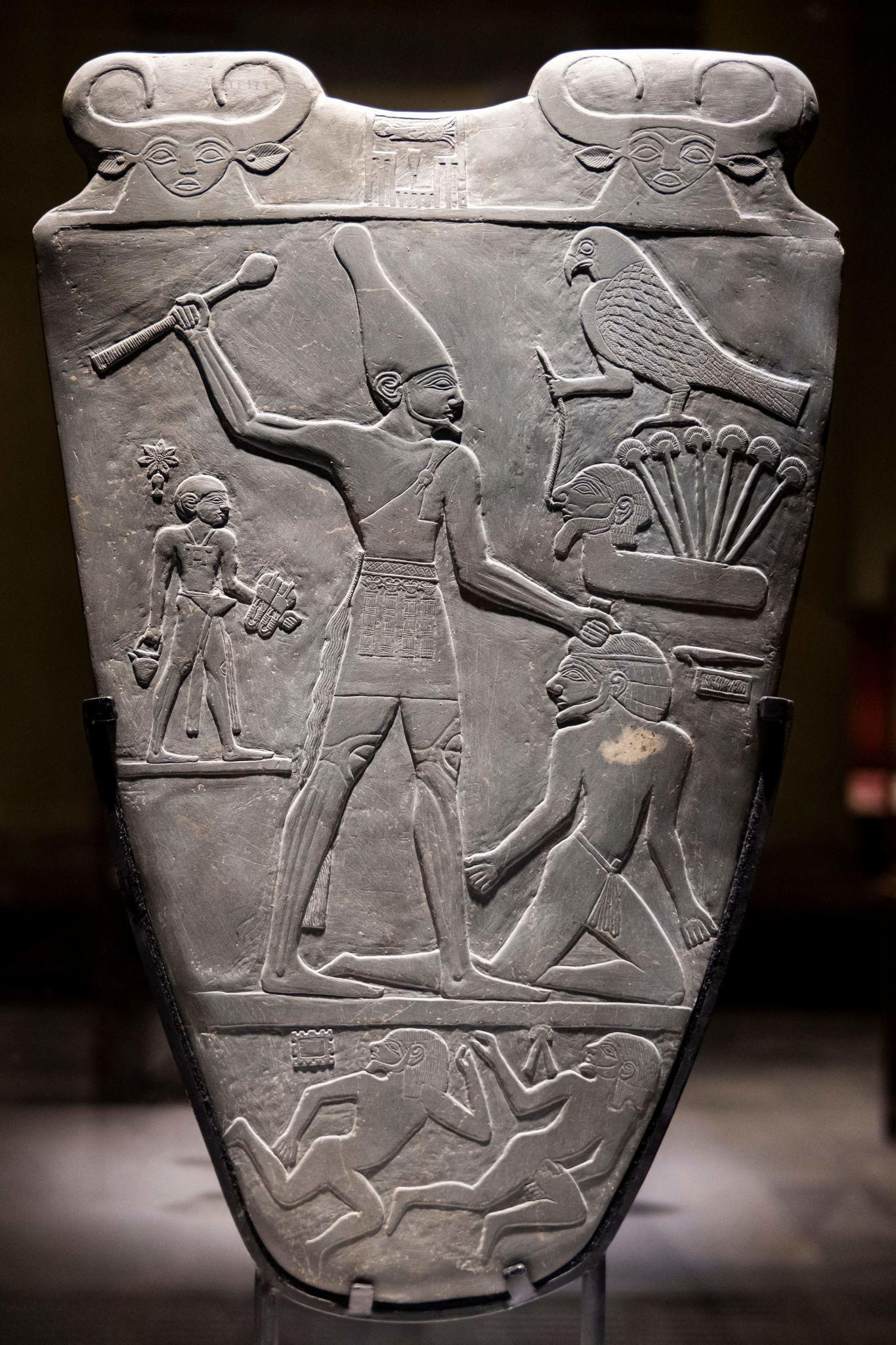
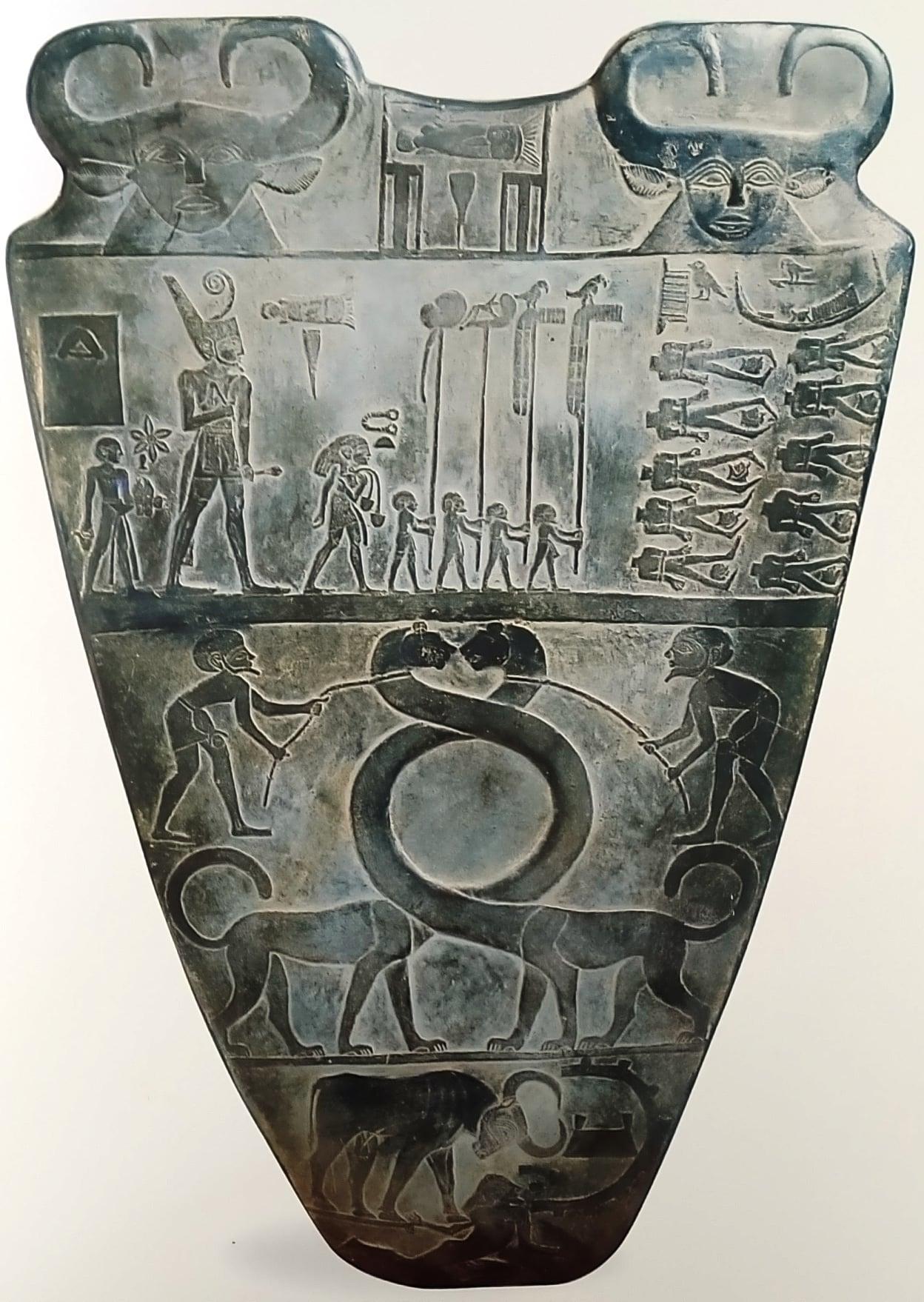
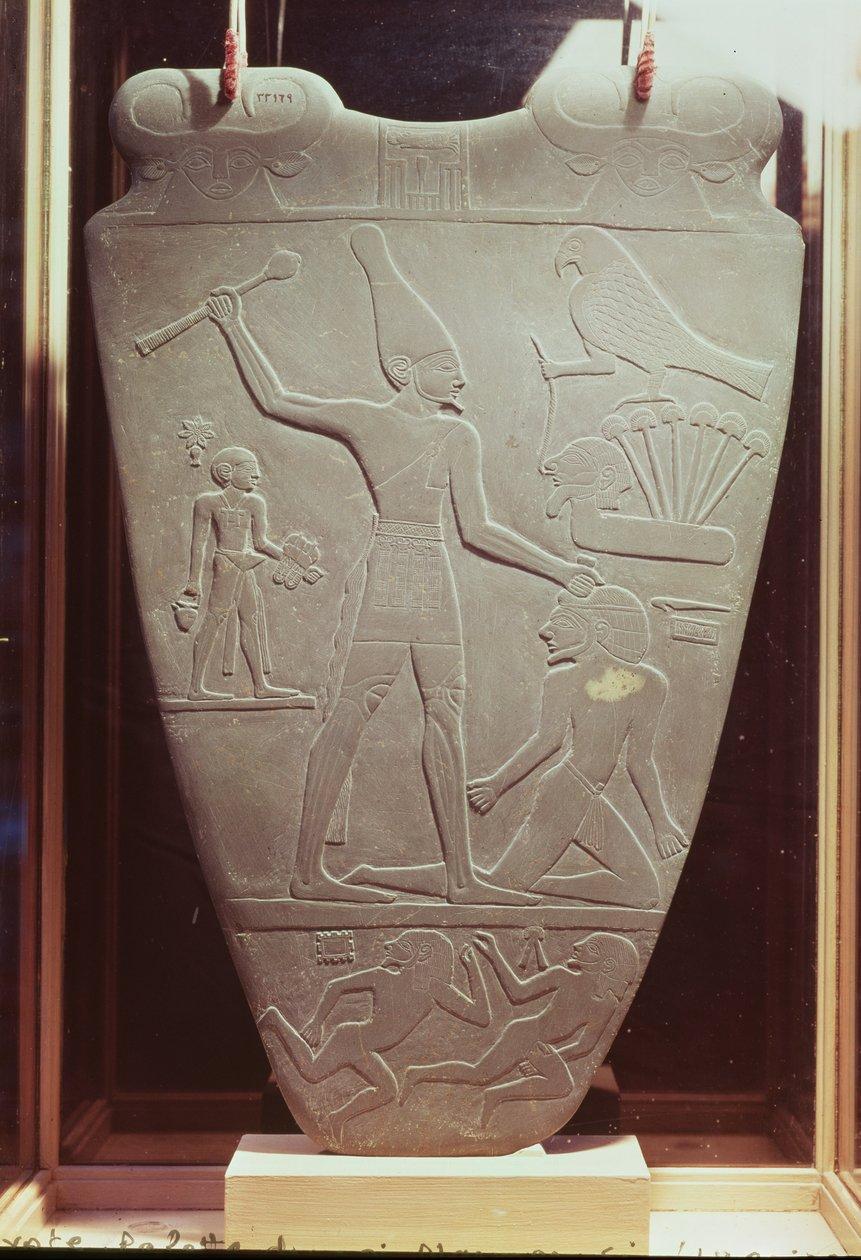
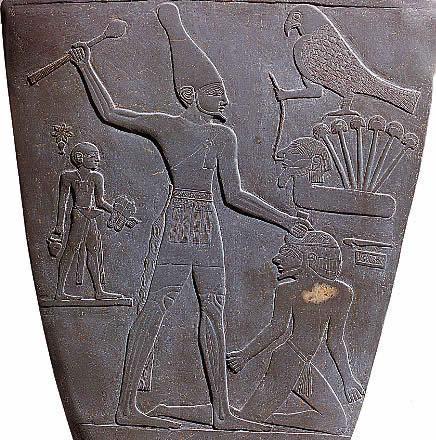
His name is most famously connected with the Narmer Palette, a ceremonial stone object discovered at Hierakonpolis. The scenes carved on the palette show Narmer wearing the crowns associated with Upper and Lower Egypt and presenting himself as a powerful king who had defeated his enemies.
Narmer's story represents the beginning of the unified Egyptian kingdom and the foundation of a civilization that would survive for more than three thousand years.
Egypt Before Narmer
Before the rise of Narmer, ancient Egypt was not a single unified kingdom.
The Nile Valley and Delta contained different communities and regional political centers.
Over time, two major regions emerged: Upper Egypt in the south and Lower Egypt in the north.
Upper Egypt was centered along the narrow Nile Valley, while Lower Egypt included the fertile Nile Delta.
The two regions developed their own rulers, religious traditions, and political centers.
During the centuries before Narmer, powerful rulers in Upper Egypt gradually expanded their influence.
The process of unification appears to have developed over several generations rather than through one single battle.
Narmer is traditionally remembered as the ruler who completed or consolidated this process.
Who Was Narmer?
Narmer was an early Egyptian king who probably ruled around the end of the fourth millennium BCE.
His name appears on several archaeological objects, making him one of the earliest Egyptian rulers known from contemporary evidence.
His name is commonly written with the hieroglyphic signs of a catfish and chisel.
The archaeological evidence associated with Narmer is especially important because later Egyptian traditions contain stories about a king called Menes, the supposed founder of unified Egypt.
Many Egyptologists have identified Narmer with Menes, although the identification is not completely certain.
Another early ruler, Hor-Aha, has also been proposed as the historical Menes.
Because of this uncertainty, Narmer is often described as Narmer (Menes) in popular accounts.
The Narmer Palette
The most famous object connected with Narmer is the Narmer Palette.
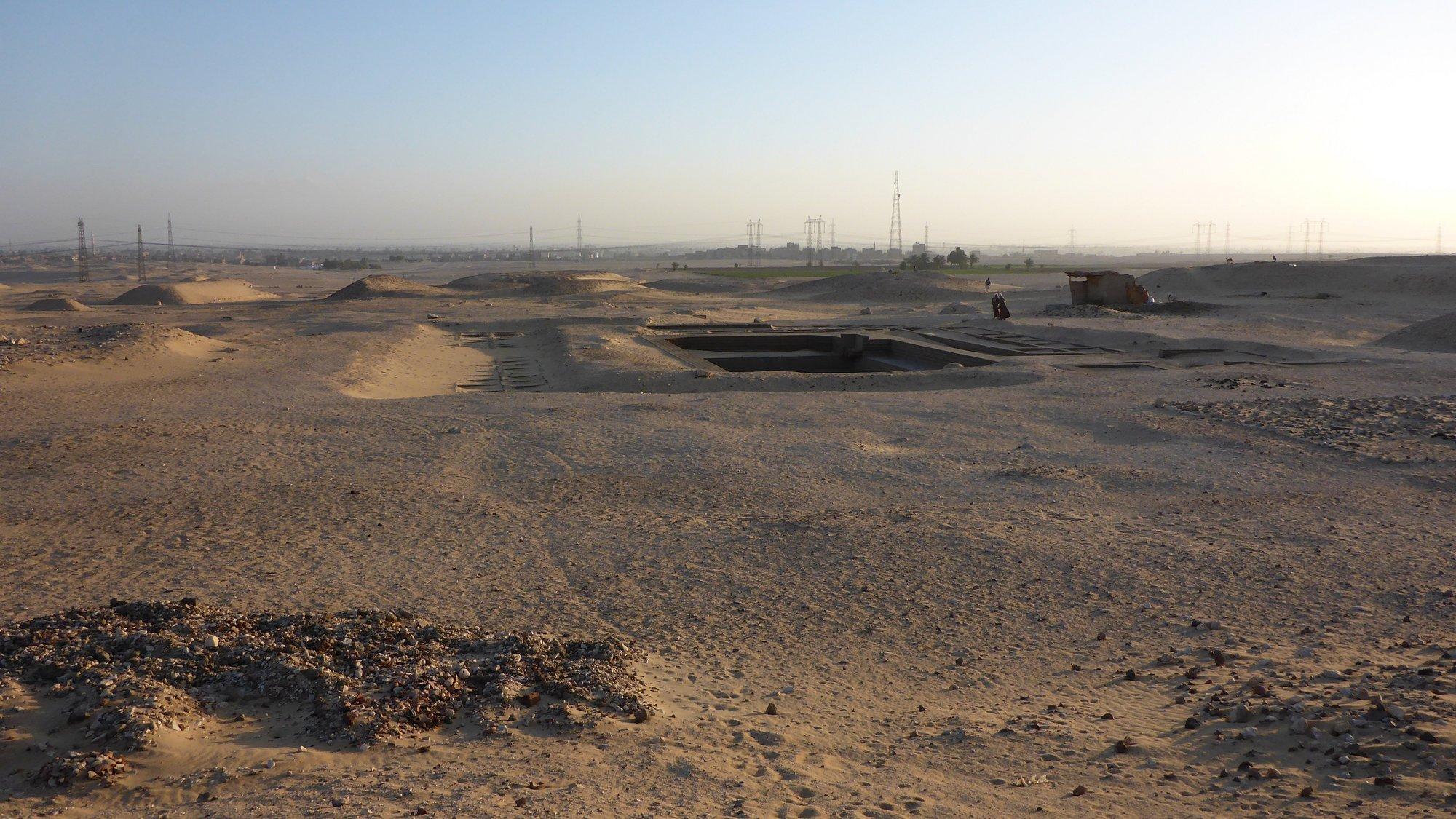
It was discovered at Hierakonpolis, an important religious and political center in Upper Egypt.
The palette is made of stone and is decorated on both sides with detailed scenes.
One of the most famous images shows Narmer wearing the White Crown of Upper Egypt.
He is shown holding a weapon while striking an enemy.
On another side, Narmer appears wearing the Red Crown of Lower Egypt.
The two crowns are extremely important because they represent the two regions of Egypt.
The imagery suggests that Narmer claimed authority over both Upper and Lower Egypt.
The palette is therefore one of the earliest surviving visual statements of unified Egyptian kingship.
The Two Crowns
The White Crown, known as the Hedjet, represented Upper Egypt.
The Red Crown, known as the Deshret, represented Lower Egypt.
When these crowns were eventually combined, they became the Double Crown, or Pschent, symbolizing the unified kingdom.
The symbolism associated with Narmer established an important tradition.
For thousands of years, Egyptian kings were described as rulers of both lands.
The pharaoh was expected to maintain the unity of Egypt and protect the kingdom from chaos.
The imagery on the Narmer Palette therefore represents much more than a military victory.
It communicates the religious and political ideology of Egyptian kingship.
The Unification of Egypt
Narmer is traditionally remembered as the king who unified Egypt.
However, modern historians believe that the process was probably more complicated.
Upper Egyptian rulers had already expanded their influence before Narmer.
Political alliances, military campaigns, economic connections, and religious relationships probably all contributed to the formation of the unified kingdom.
Narmer may have completed this process or established a stronger centralized monarchy.
The Nile played a crucial role in the development of the new state.
It provided water, fertile soil, transportation, and communication.
Control of the Nile Valley and Delta allowed the king to control agricultural resources and organize a centralized government.
The unification of Egypt created the political foundation for the dynasties that followed.
Hierakonpolis and Narmer
Hierakonpolis, also known as Nekhen, was one of the most important centers of early Egyptian civilization.
It was located in Upper Egypt and became an important religious and political center before the formation of the unified kingdom.
The discovery of the Narmer Palette there is particularly significant.
Archaeological evidence from Hierakonpolis includes temples, elite burials, workshops, and ceremonial objects.
These discoveries demonstrate that complex societies existed in Egypt before the dynastic period.
Narmer's rise was therefore part of a much longer process of political and cultural development.
Narmer as a Warrior King
The Narmer Palette presents the king as a powerful warrior.
He is shown defeating an enemy, a traditional image that would become common in Egyptian royal art.
The pharaoh was portrayed as the protector of Egypt and the conqueror of forces threatening the kingdom.
However, the scenes on the palette should not necessarily be interpreted as a literal record of one specific battle.
Ancient Egyptian royal art often used symbolic scenes to communicate broader ideas.
The defeated enemy represented chaos and disorder, while the victorious king represented order and stability.
This symbolism became one of the most important themes in Egyptian royal art.
Narmer and Divine Kingship
Narmer was not simply a political ruler.
Egyptian kingship was deeply connected with religion.
The king was responsible for maintaining maat, the divine order that governed the universe.
His victories were therefore understood as part of his religious responsibility.
By defeating enemies and protecting Egypt, the king maintained order.
This idea became central to Egyptian civilization.
Later pharaohs would continue to present themselves as powerful rulers who defeated Egypt's enemies and maintained the balance between order and chaos.
The imagery introduced during the earliest dynasties became a foundation of Egyptian royal ideology.
Menes and the Foundation of Memphis
Later Egyptian traditions connect the legendary king Menes with the foundation of Memphis.
Memphis was located near the boundary between Upper and Lower Egypt.
Its location was strategically important because it provided access to both the Nile Valley and the Delta.
The city eventually became one of the most important political and religious centers in Egypt.
Memphis was particularly associated with the god Ptah.
According to later traditions, Menes established the city as the capital of the newly unified kingdom.
Whether Narmer himself founded Memphis is uncertain, but the connection between Menes and the city became an important part of Egyptian historical tradition.
The Beginning of the First Dynasty
Narmer is often considered the founder or one of the earliest kings of the First Dynasty.
The beginning of the First Dynasty marked the start of the Early Dynastic Period.
During this period, the Egyptian state developed many of the institutions that would later make it one of the most powerful civilizations of the ancient world.
The monarchy became increasingly centralized.
Writing and administration expanded.
Royal tombs became more elaborate.
Religious traditions became closely connected with the king.
Artists developed standardized methods for representing the pharaoh.
These developments created the foundations for the Old Kingdom.
Narmer's Tomb at Abydos
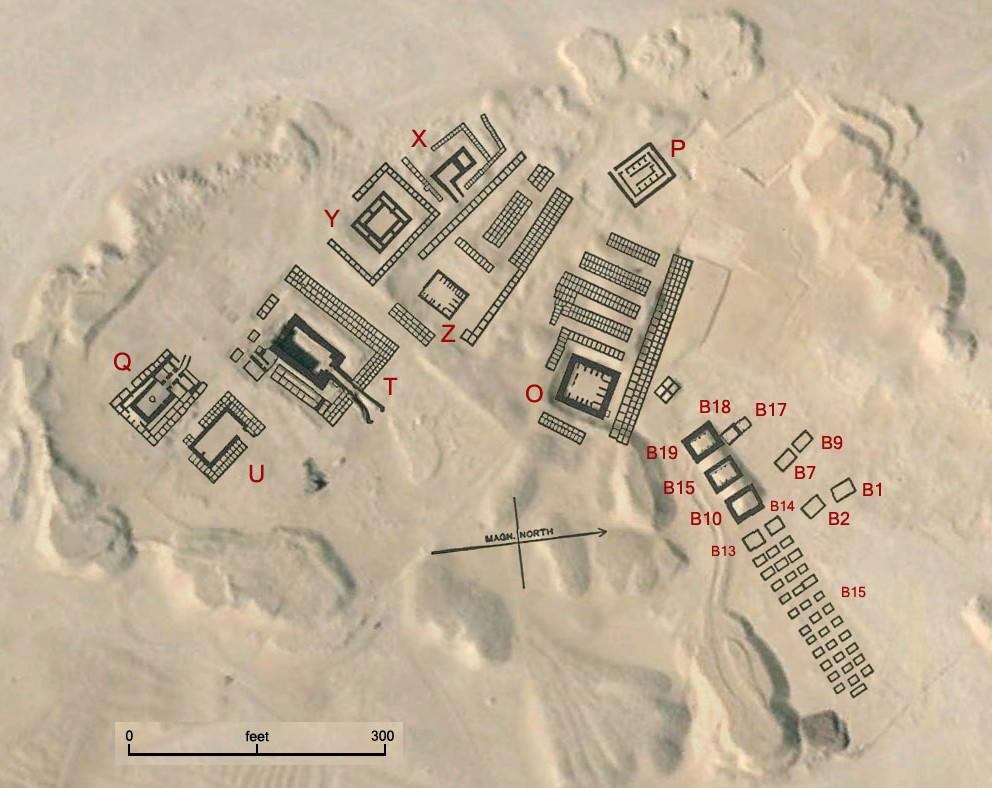
Narmer is traditionally associated with a royal tomb at Umm el-Qa'ab in Abydos.
Abydos became one of the most important sacred sites in ancient Egypt.
The city was strongly associated with the god Osiris, who was believed to rule the afterlife.
Many early Egyptian kings were buried in the region.
Narmer's tomb is much simpler than the pyramids that later Egyptian kings would build.
This shows how dramatically royal burial architecture changed over time.
The early dynastic kings were buried in large underground or mud-brick tombs, while later rulers constructed enormous pyramids and eventually rock-cut tombs.
The Development of Egyptian Civilization
The unification associated with Narmer created the political structure that allowed Egyptian civilization to flourish.
A centralized government could collect taxes, organize agriculture, control trade, and manage large construction projects.
The Nile provided the foundation for this system.
Annual flooding deposited fertile soil along the river, allowing Egyptian farmers to produce large quantities of food.
The surplus supported administrators, craftsmen, soldiers, priests, and other specialists.
Over time, the kingdom became capable of building increasingly impressive monuments.
The pyramids, temples, tombs, and statues of later Egypt were made possible by this strong centralized system.
Narmer's Influence on Later Pharaohs
The concept of the pharaoh as ruler of the Two Lands remained central to Egyptian kingship for thousands of years.
Later kings continued to use royal titles emphasizing their authority over Upper and Lower Egypt.
They were often depicted wearing the White Crown, Red Crown, or Double Crown.
The pharaoh's role as protector and unifier also remained an important theme.
Even thousands of years after Narmer, Egyptian kings continued to use imagery of military victory and the defeat of chaos.
Narmer therefore established political and artistic traditions that survived through many dynasties.
The Importance of the Narmer Palette
The Narmer Palette remains one of the most important archaeological objects from ancient Egypt.
It provides evidence about several major aspects of early Egyptian civilization.
The palette demonstrates the development of early hieroglyphic writing.
It provides evidence for royal symbolism.
It shows the importance of military imagery.
It reveals how the king was represented as larger and more powerful than ordinary people.
It also provides important evidence for the concept of Upper and Lower Egypt as a unified kingdom.
For these reasons, the Narmer Palette is considered one of the most valuable objects for understanding the birth of the Egyptian state.
Narmer's Legacy
Narmer's greatest achievement was not simply the conquest of territory.
His importance lies in the creation or consolidation of a centralized Egyptian kingdom.
Once the country was united under a single monarchy, Egypt could develop a political and administrative system that lasted for thousands of years.
The dynasties that followed would produce some of the greatest monuments in human history.
The Old Kingdom would build the pyramids of Giza.
The Middle Kingdom would expand Egypt's cultural and political influence.
The New Kingdom would create an Egyptian empire and produce famous rulers such as Hatshepsut, Thutmose III, Akhenaten, Tutankhamun, and Ramesses II.
All of these achievements were built on foundations established during the earliest dynasties.
Narmer in the History of Egypt
Narmer stands at the beginning of the pharaonic story.
Before him, Egypt consisted of separate regional communities.
After the formation of the unified kingdom, Egypt developed into one of the most centralized and long-lasting civilizations in history.
The symbols associated with Narmer became permanent elements of Egyptian culture.
The crowns of Upper and Lower Egypt represented the unity of the kingdom.
The victorious king represented order defeating chaos.
The pharaoh became both political ruler and religious leader.
These concepts would remain central to Egyptian civilization for more than three thousand years.
Conclusion
Narmer (Menes) was one of the most important kings in the early history of ancient Egypt.
He is traditionally associated with the unification of Upper and Lower Egypt around 3100 BCE and with the beginning of Egypt's dynastic history.
Although historians continue to debate whether Narmer and Menes were exactly the same person, the archaeological evidence connected with Narmer is strong.
The Narmer Palette provides one of the earliest representations of an Egyptian king ruling over the Two Lands.
His image wearing the crowns of Upper and Lower Egypt became a powerful symbol of unified kingship.
Narmer's achievements created the political foundation for the civilization that followed.
A centralized monarchy developed along the Nile.
Writing and administration expanded.
Royal burial traditions became more sophisticated.
Religious ideas became closely connected with the pharaoh.
Over the following centuries, these foundations produced the pyramids, temples, tombs, and cities that made ancient Egypt famous around the world.
Narmer's story is therefore the story of a beginning.
He lived before the great pyramids, before the temples of Karnak and Luxor, and before the famous kings of the New Kingdom.
Yet the civilization that later produced all those wonders began with the early dynastic kings.
Among them, Narmer stands as one of the most important figures.
His name survives through ancient inscriptions, archaeological discoveries, and especially the remarkable Narmer Palette.
More than five thousand years later, his image continues to symbolize the birth of unified Egypt.
Narmer was not simply an early Egyptian king; he represents the beginning of the pharaonic civilization that would become one of the greatest cultures in human history.