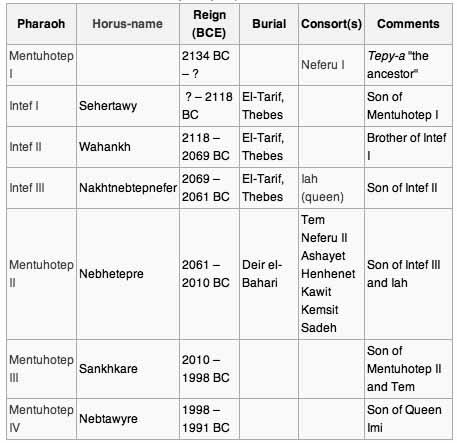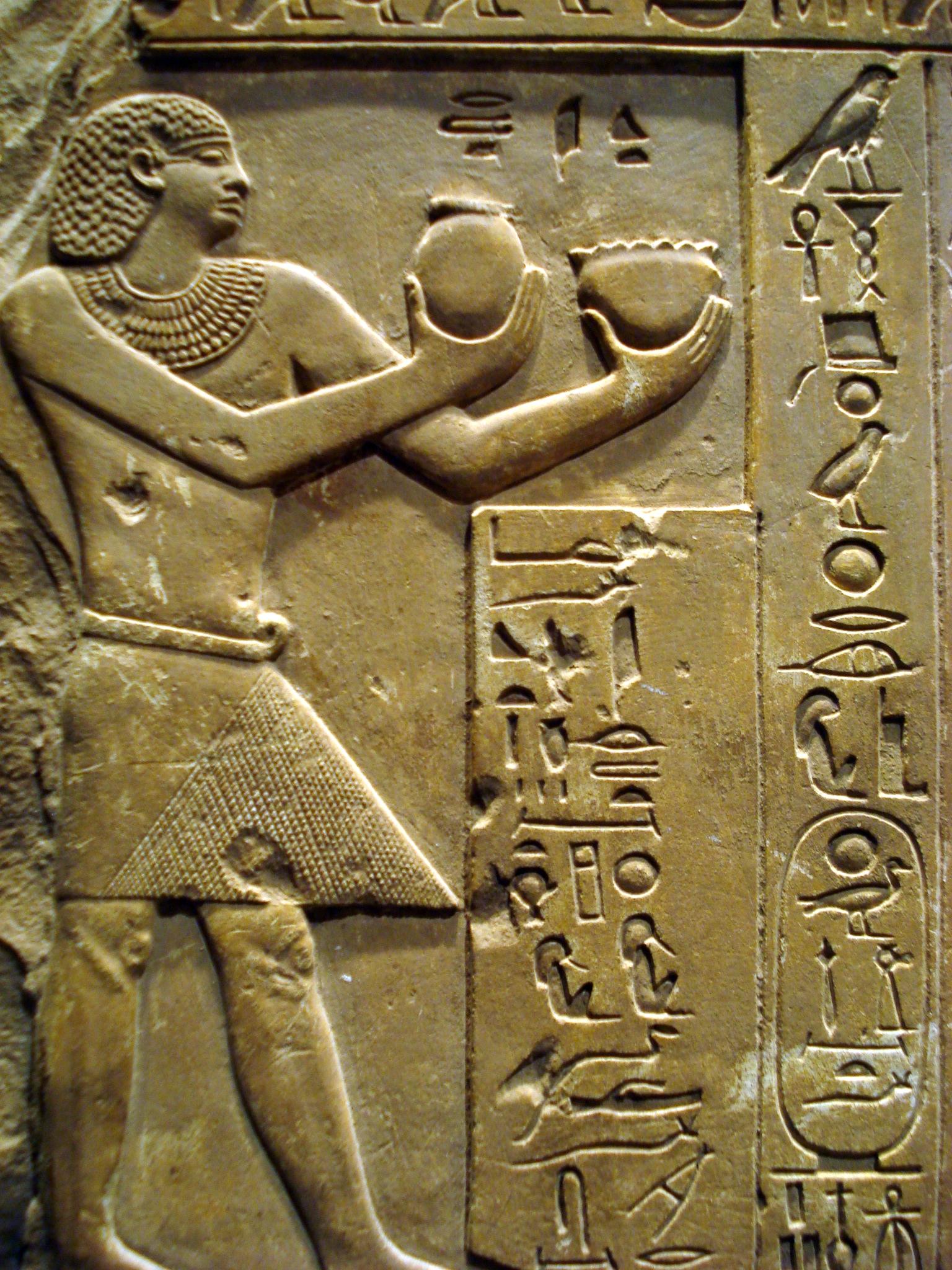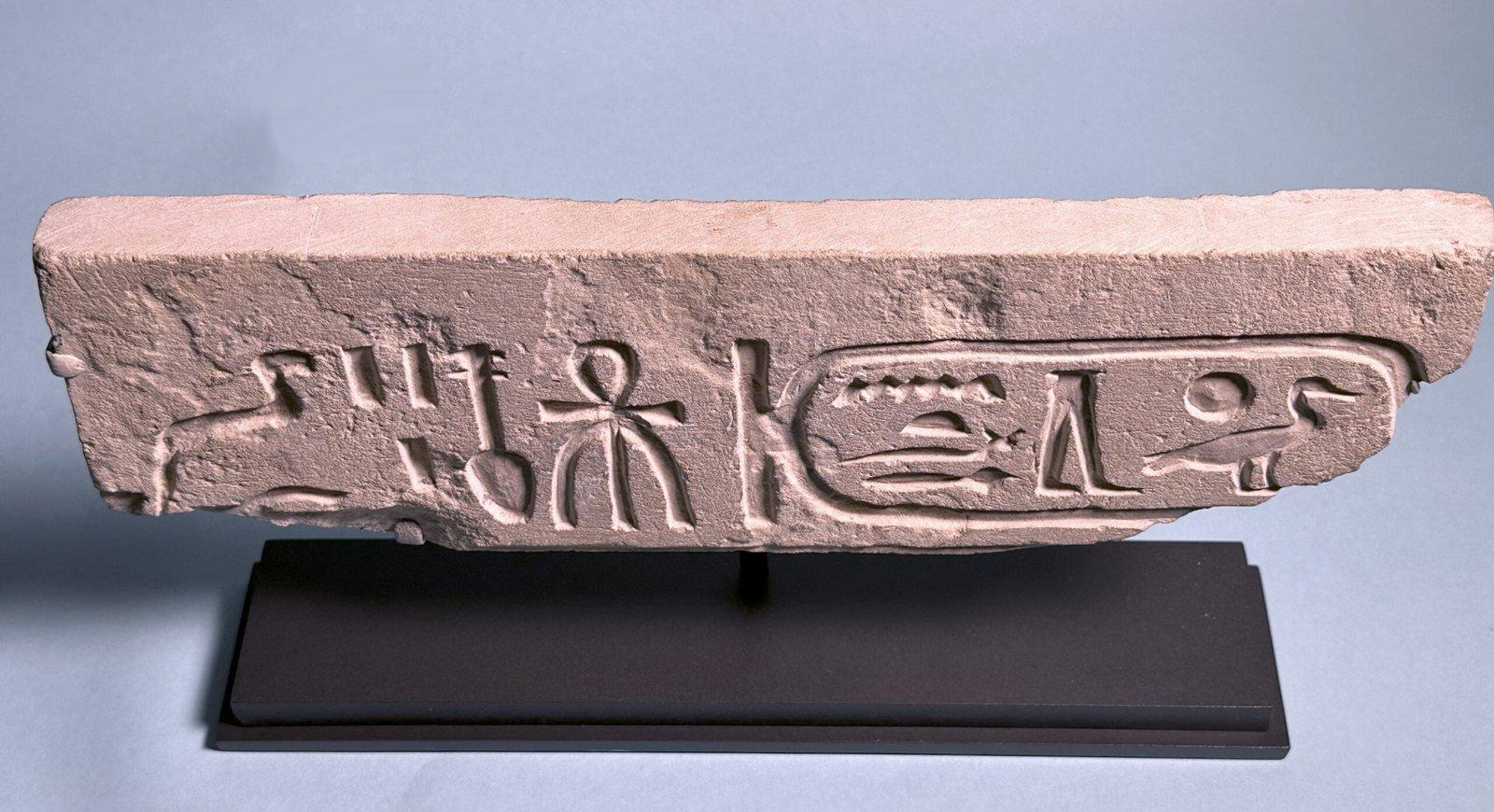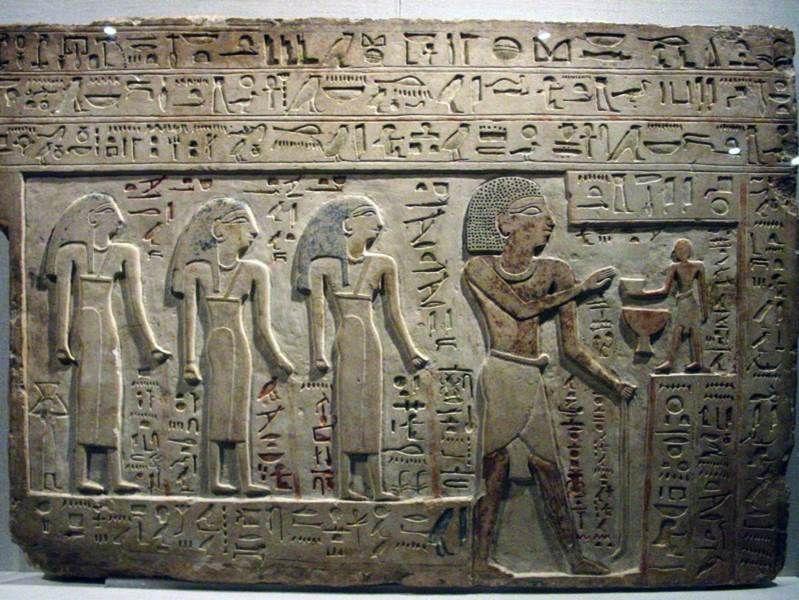
Intef III, also known as Nakhtnebtepnefer Intef III, was one of the rulers of Egypt's Eleventh Dynasty and one of the final Theban kings of the First Intermediate Period. Although his reign appears to have been relatively short and many details of his life remain uncertain, he played an important role in strengthening the Theban kingdom before the reunification of Egypt under his successor, Mentuhotep II.
Intef III inherited a much stronger kingdom from his predecessor, Intef II. By this time, Thebes had developed from a regional center into a powerful political and military state. The Theban rulers had expanded their influence northward, gained control of important territories, and challenged the rulers of Herakleopolis. Intef III continued this process and helped prepare the way for the final stage of Egypt's reunification.
To understand Intef III, it is necessary to understand the political situation of Egypt during the First Intermediate Period. The Old Kingdom had once been one of the most centralized states in the ancient world. Pharaohs such as Khufu, Khafre, and Menkaure commanded enormous resources and controlled a highly organized administration. The construction of the pyramids demonstrated the power of the royal government.
However, during the later Sixth Dynasty, central authority gradually weakened. Provincial governors became increasingly powerful, local families accumulated land and wealth, and temples controlled large economic resources. The central government became less capable of maintaining direct control over distant parts of Egypt.
After the long reign of Pepi II, political instability increased. Egypt entered a period of fragmentation known as the First Intermediate Period. Instead of one powerful centralized kingdom, different regions were controlled by competing rulers and influential local families.
By the time Intef III ruled, two major political centers had become especially important. Herakleopolis Magna controlled important parts of northern and central Egypt, while Thebes controlled Upper Egypt. Both political centers claimed legitimate authority and competed for influence.
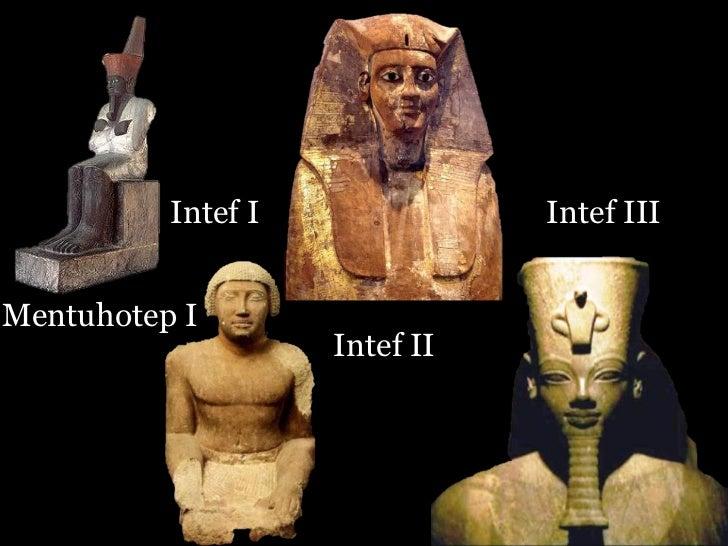
The Theban royal family had been growing stronger for several generations. Earlier rulers such as Mentuhotep I and Intef I established the foundations of the Eleventh Dynasty. Intef II greatly expanded Theban territory and strengthened the dynasty's political position. Intef III inherited the results of these achievements.
Intef III's royal name was Nakhtnebtepnefer. His royal identity reflected the traditional Egyptian concept of the king as a powerful protector of the country. The Theban rulers needed military strength because they were surrounded by competing regional powers.
Intef III ruled at a critical moment in Egyptian history. The balance of power was shifting toward Thebes. The northern rulers were under increasing pressure, while the Theban kingdom was becoming stronger. The dream of reunifying Egypt was no longer simply an ideal. It was becoming a realistic political possibility.
Intef III continued the expansion of Theban authority. His kingdom controlled important parts of Upper Egypt, and Theban influence continued moving northward. Territorial expansion was important because it provided agricultural resources, strategic locations, and control over sections of the Nile Valley.
The Nile was essential to this political struggle. It was the main transportation route through Egypt. Armies could travel along it, supplies could be moved, and agricultural products could be transported between different communities. Control of important areas along the river gave the Theban rulers significant military and economic advantages.
Abydos was another important location in the struggle. Intef II had previously brought Abydos under Theban control. The city was one of the most sacred places in Egypt and was closely associated with Osiris and ancient Egyptian kingship. Controlling Abydos gave the Theban dynasty both political and religious prestige.
Intef III inherited this advantage. The possession of Abydos strengthened the claim of the Theban rulers that they were legitimate successors of Egypt's ancient kings. The struggle between Thebes and Herakleopolis was therefore not simply a military conflict. It was also a competition over who had the right to represent the Egyptian royal tradition.
Religion was central to Egyptian kingship during Intef III's reign. Egyptians believed that the pharaoh had a special relationship with the gods and was responsible for maintaining maat. Maat represented truth, justice, balance, harmony, and cosmic order.
The political division of Egypt could be interpreted as a disruption of this divine order. The Theban kings could therefore present their efforts to expand and reunify Egypt as part of the restoration of maat.
The god Montu was especially important to the early Theban rulers. Montu was associated with warfare, courage, and royal strength. His connection with the Theban monarchy was appropriate during a period of military competition. The king was expected to be strong enough to defend his people and defeat his enemies.
Amun was also becoming increasingly important in Thebes. Although Amun would become one of the most powerful gods in Egyptian history during later periods, his cult was already developing in importance during the Eleventh Dynasty. The relationship between the Theban royal family and the religious institutions of Thebes helped strengthen the dynasty's legitimacy.
The government of Intef III inherited the administrative traditions developed by his predecessors. Political fragmentation had shown the dangers of allowing provincial officials to become too independent. The Theban kings therefore attempted to maintain stronger royal control.
Officials were expected to remain loyal to the king. Agricultural resources were managed through the royal administration and local authorities. Soldiers protected the kingdom, while scribes and administrators organized taxation and agricultural production.
The economy of Upper Egypt depended heavily on agriculture. The annual flooding of the Nile created fertile soil that allowed farmers to grow grain, vegetables, and other crops. Livestock were also important. The government depended on agricultural production to support the army, temples, officials, and royal household.
Trade also contributed to the economy. The Nile connected different communities and allowed goods to move efficiently. Thebes' location along the river made it an important center for transportation and commerce.
Ordinary Egyptians continued their daily lives despite the political struggles of the period. Farmers worked the fields, fishermen worked along the Nile, craftsmen produced pottery and tools, merchants traded goods, priests performed religious ceremonies, and scribes maintained administrative records.
The political division of Egypt did not mean that Egyptian civilization had disappeared. Egyptian culture remained strong, and traditional religious beliefs and social customs continued.
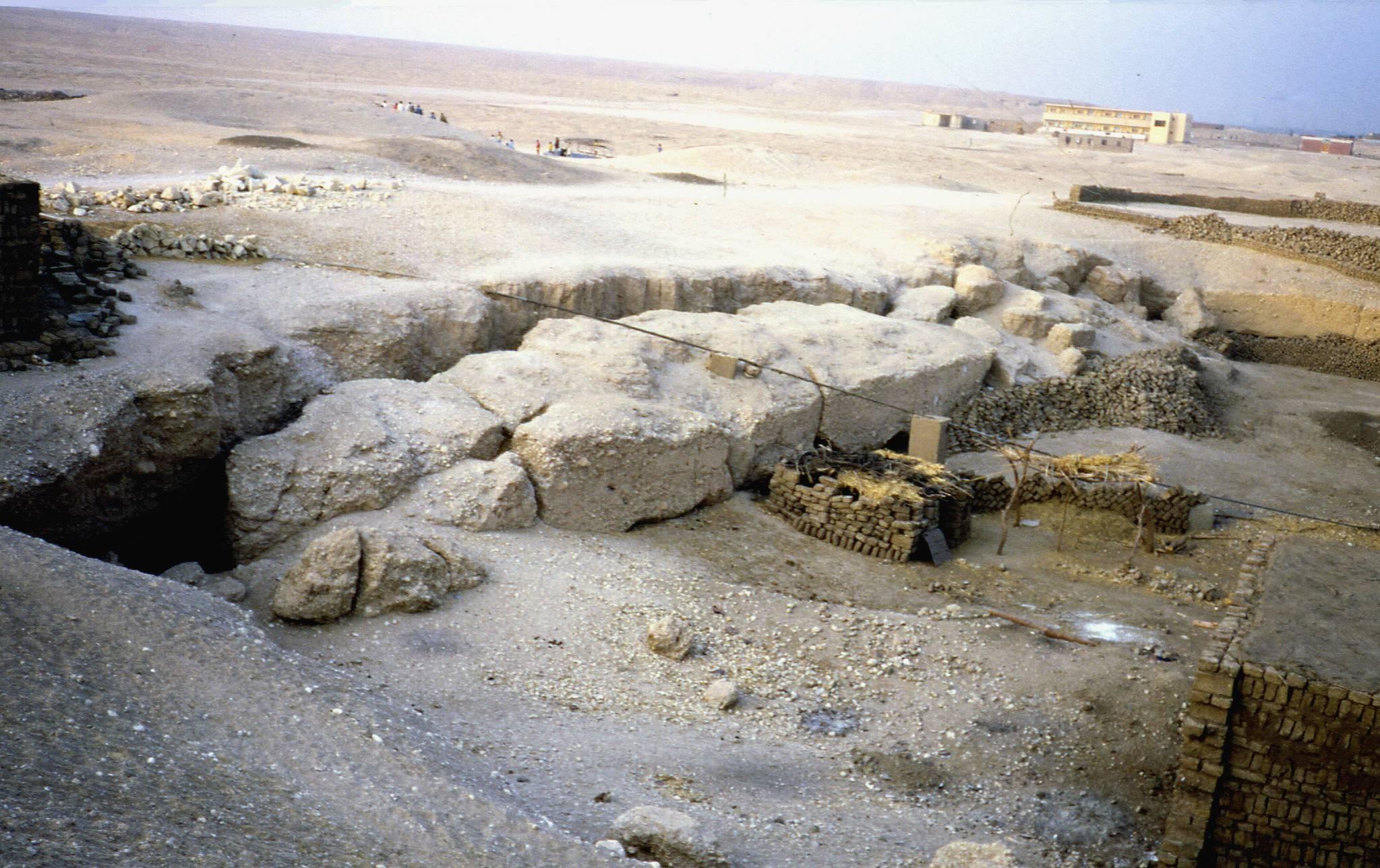
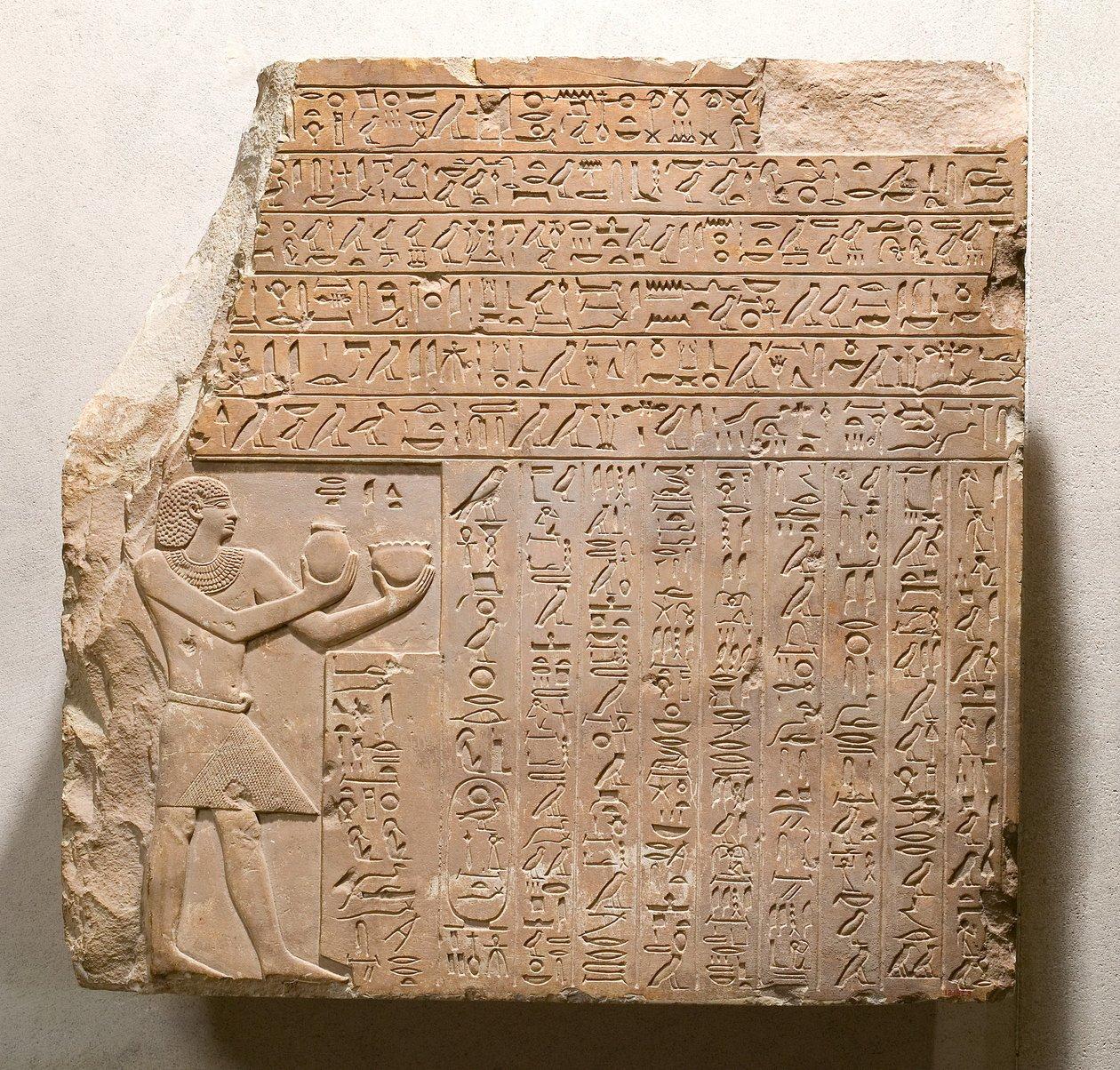
Very little survives from Intef III's building projects. This is one of the major difficulties in studying his reign. The early Eleventh Dynasty produced fewer monumental structures than the great kings of the Old Kingdom, and many early buildings were later destroyed, reused, or covered by the monuments of later rulers.
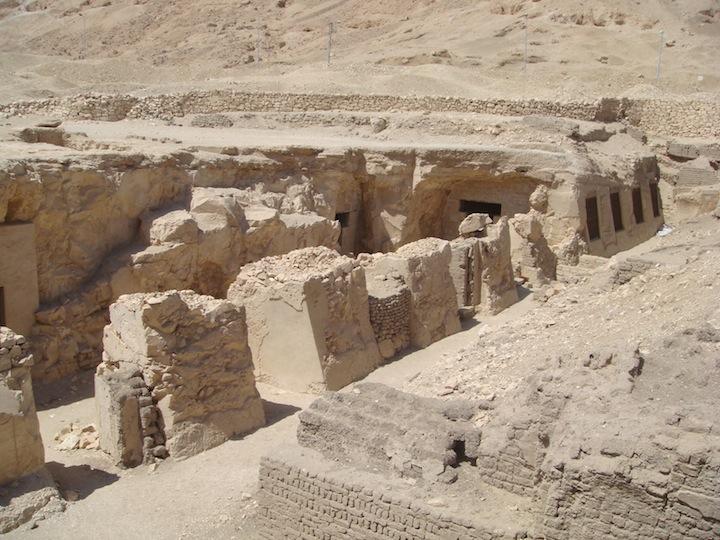
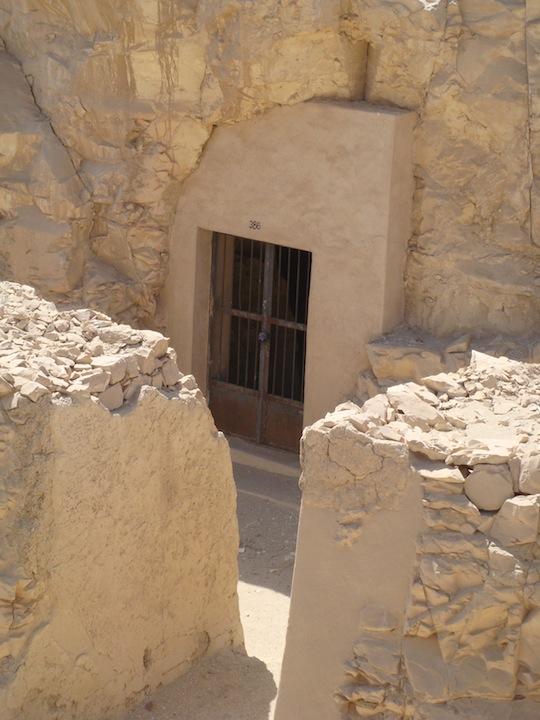
Intef III was probably buried in the Theban region. The early Eleventh Dynasty rulers developed distinctive royal burial traditions on the western side of Thebes. Their tombs were connected with the cliffs and desert landscape rather than the enormous pyramid complexes of the Old Kingdom.
This change reflected the political and economic conditions of the period. The Theban kings were building a different kind of royal state from the rulers who had constructed the pyramids of Giza.
Intef III's reign appears to have been relatively short. However, a short reign could still be historically important. He inherited a strong kingdom from Intef II and passed an even stronger political position to his successor, Mentuhotep II.
The most important development after Intef III's reign was the rise of Mentuhotep II. He inherited a powerful Theban kingdom with an experienced military force, strong political institutions, and increasing religious legitimacy.
The northern kingdom centered at Herakleopolis was becoming weaker. The Theban rulers had already expanded their territory and established themselves as serious contenders for control of Egypt.
Mentuhotep II eventually defeated the northern rulers and reunited Egypt under Theban leadership. This marked the end of the First Intermediate Period and the beginning of the Middle Kingdom.
The reunification of Egypt was one of the most important political transformations in ancient Egyptian history. Central authority was restored, the monarchy became stronger, and Egypt entered a new period of political stability and cultural development.
The Middle Kingdom became famous for its powerful administration, military expansion, artistic achievements, literature, and monumental architecture.
Intef III was not the ruler who completed the reunification, but his reign formed an important link in the process. He preserved and strengthened the achievements of Intef II and prepared the kingdom for the final victory of Mentuhotep II.
This makes Intef III an important but sometimes overlooked figure in Egyptian history.
Intef II is remembered for his territorial expansion and military achievements. Mentuhotep II is remembered for reunifying Egypt. Intef III ruled between these two important figures and helped maintain the momentum of the Theban dynasty.
His historical importance comes from his position at a turning point. Behind him was a politically divided Egypt. Ahead of him was the reunified Egypt of the Middle Kingdom.
Intef III helped preserve the strength of Thebes during this transition.
Although little is known about his personal life, his role as a king is significant. He belonged to the Theban dynasty that transformed a regional kingdom into the political center of a reunited Egypt.
His reign demonstrates that major historical changes are often the result of several generations of rulers rather than the work of a single king.
Mentuhotep II could reunite Egypt because earlier Theban rulers had already created the political, economic, military, and religious foundations necessary for victory.
Intef III was one of those rulers.
He inherited the achievements of Intef II and passed them to Mentuhotep II. His reign helped maintain Theban strength at exactly the moment when the division of Egypt was approaching its end.
The legacy of Intef III is therefore connected with the rise of Thebes, the strengthening of the Eleventh Dynasty, and the restoration of Egyptian unity.
He was not one of Egypt's most famous pharaohs. He did not build a pyramid comparable to those of the Old Kingdom, nor did he leave behind the enormous monuments of later kings.
Yet his historical importance should not be measured only by the size of his monuments.
Intef III ruled during one of the most important transitions in Egyptian history. His kingdom was approaching the point where it could challenge the northern rulers and restore centralized government.
His reign was the final preparation before the great victory of Mentuhotep II.
The story of Intef III is therefore a story of transition and preparation. It begins in a divided Egypt where regional rulers competed for power and ends with the emergence of a strong Theban monarchy capable of reunifying the country.
The Theban dynasty gradually transformed itself from a regional family into the rulers of a unified Egypt.
Intef III played an important part in that transformation.
He maintained the military strength of Thebes, supported its political institutions, preserved the dynasty's legitimacy, and helped prepare the kingdom for its final confrontation with Herakleopolis.
When Mentuhotep II finally reunited Egypt, the foundations had already been laid by generations of Theban rulers.
Intef III was one of those important kings.
His name may not be as famous as Khufu, Hatshepsut, or Ramses II, but his place in Egyptian history remains significant.
He was one of the final rulers of the First Intermediate Period and one of the kings who helped bring Egypt closer to the beginning of the Middle Kingdom.
Intef III's story reminds us that the history of ancient Egypt was not always a story of powerful centralized pharaohs and enormous monuments. There were also periods of political uncertainty in which rulers had to rebuild authority step by step.
The Eleventh Dynasty was created during exactly such a period.
Intef III inherited a kingdom that had already survived years of political conflict.
Instead of allowing that kingdom to weaken, he helped preserve its strength.
His successor inherited the results of this work and used them to achieve one of the greatest political victories in Egyptian history.
Mentuhotep II reunited Egypt.
The Middle Kingdom began.
For this reason, Intef III should be remembered as an important link between two worlds: the fragmented Egypt of the First Intermediate Period and the powerful unified Egypt of the Middle Kingdom.
His reign may have been short, and the surviving evidence may be limited, but his political importance was considerable.
Intef III was one of the final architects of the Theban rise, helping prepare the way for the reunification of Egypt and the beginning of the Middle Kingdom.