Djet, also known as Wadj or the Serpent King, was one of the early rulers of ancient Egypt's First Dynasty. He probably ruled during the early 3rd millennium BCE, following Djer and preceding Den.
Although very little is known about Djet's personal life, his reign is historically important because he belonged to the generation of kings who helped strengthen the newly unified Egyptian state.
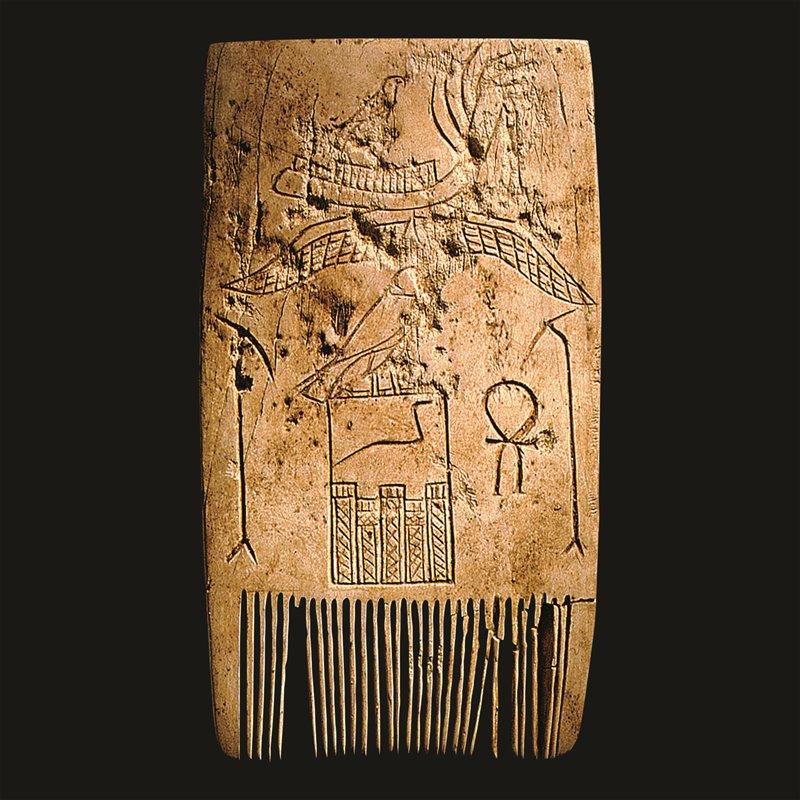
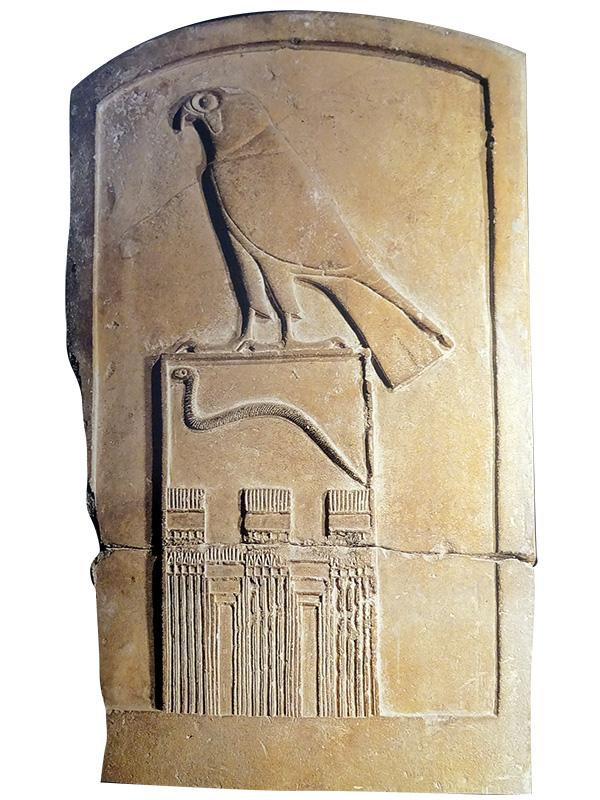
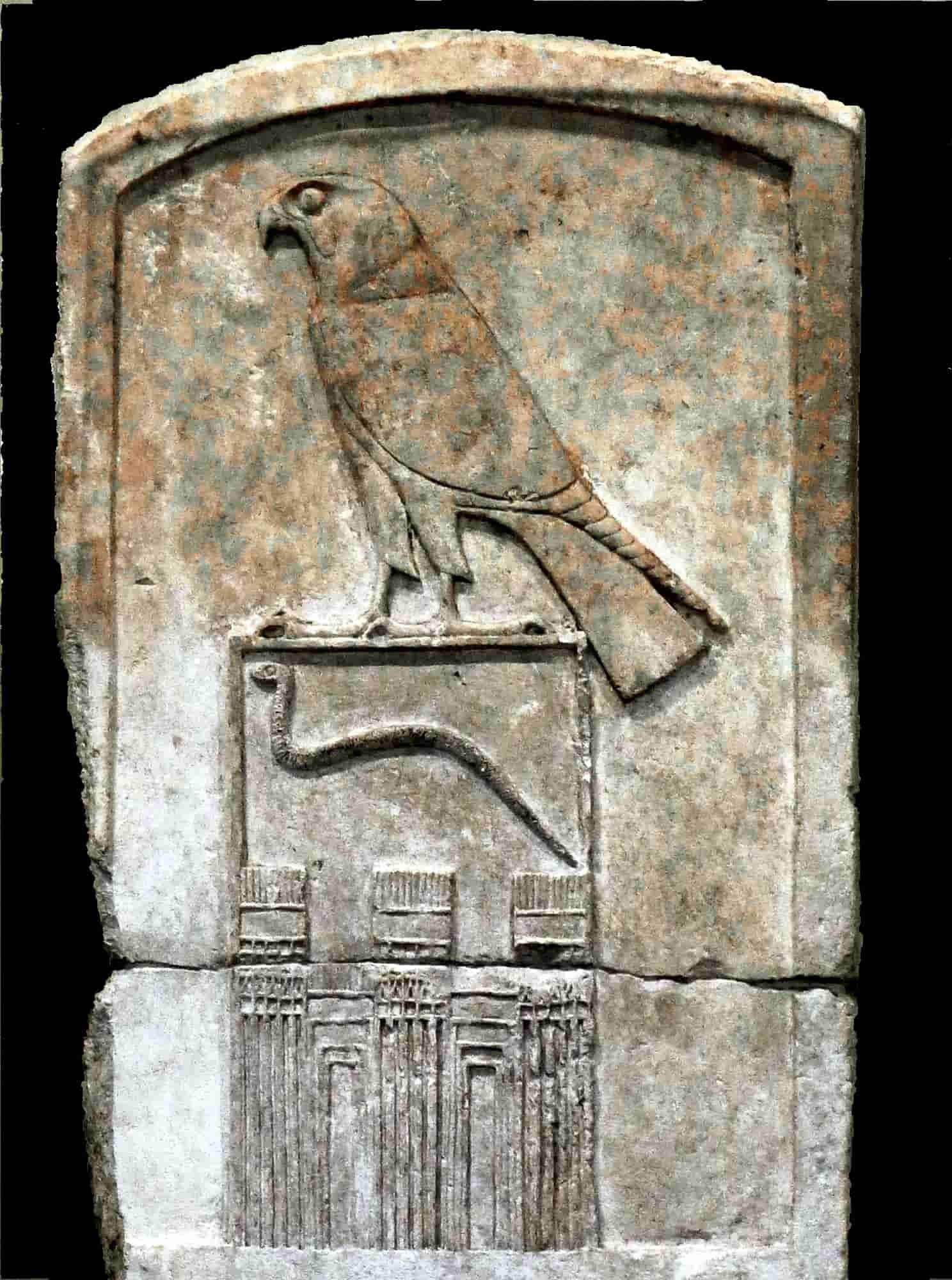
Djet is especially famous because of an elegant and beautifully carved ivory and stone stela discovered at his tomb at Abydos. The distinctive symbol associated with his name—a serpent—has earned him the modern nickname "Serpent King."
His monuments provide valuable evidence about the development of early Egyptian writing, royal symbolism, religion, and artistic traditions.
Who Was Djet?
Djet was an early Egyptian king of the First Dynasty.
His royal name was represented by a serpent sign, and his Horus name is usually read as Djet or Wadj.
Because the hieroglyphic writing system was still developing during the First Dynasty, the exact pronunciation of early royal names is not always certain.
Djet ruled during a period when Egypt was becoming increasingly organized under a centralized monarchy.
The country had been unified only a few generations earlier, traditionally beginning with Narmer.
The early kings were responsible for maintaining this political unity and developing the institutions of the new kingdom.
Djet inherited this growing state and continued its traditions.
Djet and the First Dynasty
The First Dynasty represents the earliest stage of Egypt's dynastic monarchy.
Earlier rulers such as Narmer, Hor-Aha, and Djer established the foundations of centralized government.
Djet continued this development.
The king controlled agricultural production, royal estates, religious institutions, trade, and political administration.
The Nile provided the foundation for the Egyptian economy.
Its fertile floodplain supported agriculture, while the river served as the country's main transportation route.
The centralized monarchy allowed the government to collect resources from different parts of Egypt and redistribute them according to royal and religious needs.
Djet ruled during the period when this system was becoming increasingly sophisticated.
The Serpent King
Djet is commonly called the Serpent King because the hieroglyph representing his royal name includes a serpent.
The serpent was an important symbol in ancient Egyptian religion.
Snakes could represent protection, power, danger, and regeneration.
Later Egyptian religion would strongly associate the cobra with royal protection, especially through the goddess Wadjet.
However, Djet's name should not automatically be interpreted as meaning that he was specifically a "snake king."
The modern nickname simply comes from the serpent sign used to write his royal name.
This distinctive symbol has made Djet easier to identify among the early pharaohs.
Djet's Famous Stela
One of the most famous objects associated with Djet is his stela from Abydos.
The stela is beautifully carved and contains the king's royal symbol.
It is considered one of the finest surviving examples of early Egyptian royal art.
The design demonstrates that Egyptian artists were already developing sophisticated conventions during the First Dynasty.
The king's identity is connected with the falcon of Horus and the royal serekh.
This imagery emphasizes the divine nature of kingship.
The stela also provides important evidence about the development of Egyptian hieroglyphic writing.
The Royal Serekh
Like other early Egyptian kings, Djet's name was written within a serekh.
The serekh was a rectangular symbol representing the royal palace facade.
Above it stood the falcon of Horus.
This was one of the earliest forms of Egyptian royal titulary.
The use of the serekh allowed the king's name to be presented as part of a larger statement about royal authority.
The falcon represented Horus, linking the king with the divine world.
This tradition would remain important throughout Egyptian history.
Later pharaohs developed much more complicated royal titles, but the idea of connecting the king with Horus remained central.
Djet's Tomb at Abydos
Djet was buried at Umm el-Qa'ab, near Abydos in Upper Egypt.
Abydos was one of the most important royal cemeteries of early Egypt.
The tombs of the First Dynasty kings were located in this area.
Djet's tomb was constructed using mud brick and contained a central burial chamber.
The structure was part of a larger royal funerary tradition.
The tomb's design shows how Egyptian royal architecture was developing before the invention of the great stone pyramids.
The royal burial complexes at Abydos represent an important stage between prehistoric elite tombs and the monumental pyramids of the Old Kingdom.
The Royal Afterlife
The Egyptians believed that the king continued to exist after death.
The royal tomb was therefore much more than a burial place.
It was designed to protect the king's body and support his eternal existence.
Food, vessels, tools, ornaments, and other objects could be placed in the burial complex.
The king's spirit was expected to receive offerings and continue participating in the divine order.
The connection between kingship and the afterlife became increasingly important throughout Egyptian history.
Djet's tomb provides evidence that these beliefs were already deeply established during the First Dynasty.
Abydos and Osiris
Abydos later became one of the most important religious centers in Egypt because of its association with Osiris.
Osiris was the god of the dead and ruler of the afterlife.
According to Egyptian mythology, Osiris was killed by his brother Seth and later restored through the efforts of Isis.
Abydos became associated with the burial and resurrection of Osiris.
Although Djet lived long before the Osiris cult reached its later form, his burial at Abydos contributed to the site's long history as a sacred royal cemetery.
Centuries later, Egyptians would travel to Abydos to participate in religious ceremonies and honor Osiris.
Djet and Egyptian Religion
Djet's kingship was deeply connected with religion.
The pharaoh was believed to be responsible for maintaining maat, the divine order of the universe.
This included maintaining political stability, protecting the kingdom, and supporting the gods through religious rituals.
The king's authority was therefore considered sacred.
Djet's association with Horus reflects this ideology.
The living king was connected with Horus, while the deceased ruler was associated with Osiris.
This religious relationship between kingship and the afterlife became one of the most enduring features of ancient Egyptian civilization.
Early Egyptian Writing
Djet ruled during an important period in the development of Egyptian writing.
Hieroglyphs were already being used, but the writing system was still relatively young.
Inscriptions from this period are usually short.
They often recorded royal names, administrative information, products, ceremonies, and religious references.
The famous stela associated with Djet demonstrates the ability of Egyptian craftsmen to combine writing and artistic imagery into a sophisticated royal monument.
Over the following centuries, Egyptian writing would expand dramatically.
It would eventually be used for religious texts, historical inscriptions, literature, government documents, and personal letters.
Djet's reign belongs to the early stage of this remarkable development.
Djet and Art
The art of Djet's period is especially important because it shows the emergence of the classic Egyptian artistic style.
The human figure was increasingly represented according to conventions that would continue for thousands of years.
The king was presented as a powerful and idealized figure.
Royal symbols were carefully arranged to communicate authority.
Animals and divine symbols were also used to express religious ideas.
The famous Djet stela is an excellent example of this early artistic tradition.
Its elegant design demonstrates that Egyptian artists were already highly skilled during the First Dynasty.
Egypt's Economy During Djet's Reign
Agriculture was the foundation of the Egyptian economy.
The Nile flood deposited fertile soil along the riverbanks, allowing farmers to grow crops such as wheat and barley.
The royal government collected agricultural resources and redistributed them.
This supported the palace, temples, officials, craftsmen, and workers.
The development of centralized administration made it possible to manage these resources efficiently.
Djet's reign belongs to a period when the Egyptian state was becoming increasingly capable of controlling its economy.
This economic strength helped support the royal monuments and religious institutions of the period.
Trade and Foreign Connections
Egypt was not isolated from the surrounding world.
The early dynastic kings maintained connections with neighboring regions.
Trade and expeditions reached areas such as Nubia, Sinai, the Eastern Desert, and the Levant.
Egypt needed resources that were not readily available in the Nile Valley.
Copper and turquoise from Sinai were particularly valuable.
Stone and minerals from the deserts were also important.
Trade networks allowed the Egyptian monarchy to acquire these materials and strengthen its economy.
Although surviving records from Djet's reign are limited, his period was part of this expanding network of regional connections.
Djet's Political Role
As king, Djet had to maintain the unity of Upper and Lower Egypt.
This was one of the most important responsibilities of the early pharaohs.
The newly unified kingdom contained communities with different traditions and regional identities.
The monarchy needed to maintain loyalty to the central government.
Royal ceremonies, religious traditions, administrative systems, and military power all helped reinforce the unity of the country.
Djet's reign appears to have continued the stable development of the First Dynasty.
There is no surviving evidence of a major internal crisis that destroyed the kingdom during his rule.
Djet and the Development of Royal Architecture
Djet's tomb at Abydos is important for understanding the evolution of Egyptian royal architecture.
The early kings did not yet construct giant stone pyramids.
Instead, their tombs consisted of underground chambers and mud-brick structures.
Over time, Egyptian architects experimented with increasingly monumental designs.
The Step Pyramid of Djoser, built several generations later, represented a revolutionary transformation.
Eventually, Sneferu and his successors developed the true pyramid.
The Great Pyramid of Khufu became the most famous result of this development.
Djet's tomb belongs to the earliest stages of this architectural journey.
Djet's Legacy
Djet left behind relatively few monuments, but the objects that survive are extremely important.
His stela is one of the most famous artifacts from the First Dynasty.
His tomb at Abydos provides valuable evidence about early royal burial traditions.
His name contributes to our understanding of the development of Egyptian royal titulary.
Together, these discoveries help historians reconstruct the political and religious world of early dynastic Egypt.
Djet's reign also demonstrates that the Egyptian state was already highly organized only a few generations after unification.
Djet in the Story of Ancient Egypt
Djet lived more than five thousand years ago, at the beginning of the long history of pharaonic Egypt.
He ruled before the construction of the pyramids.
He lived before the great temples of Karnak and Luxor.
He ruled centuries before the famous pharaohs of the New Kingdom.
Yet the political and religious traditions of his time became the foundation for everything that followed.
The First Dynasty established the idea of a centralized Egyptian kingdom ruled by a divine king.
Djet was one of the rulers who helped maintain and strengthen that system.
Conclusion
Djet, also known as the Serpent King, was an important ruler of Egypt's First Dynasty.
Although very little is known about his personal life or specific political achievements, archaeological evidence provides a valuable picture of his reign.
His famous stela demonstrates the sophistication of early Egyptian art and royal symbolism.
His tomb at Abydos provides important evidence about the development of Egyptian royal burial practices.
His royal name, represented by a serpent, connects him with the developing system of Egyptian hieroglyphic writing and royal identity.
Djet ruled during a period when Egypt was still a young unified kingdom.
The early pharaohs were establishing political institutions, religious traditions, administrative systems, and economic networks that would shape Egypt for thousands of years.
The monuments of later Egypt—the pyramids, temples, tombs, and statues—were built upon foundations created during these early dynasties.
Djet therefore occupies an important place in the story of ancient Egypt.
He may not have left behind a monument as enormous as the Great Pyramid, but his surviving artifacts provide a fascinating glimpse into the earliest age of the pharaohs.
Djet was one of the kings who helped strengthen the foundations of unified Egypt and preserve the royal traditions that would eventually create one of the greatest civilizations in human history.