Djedkare Shemai was one of the obscure rulers associated with Egypt’s Eighth Dynasty, a dynasty that ruled during the uncertain years of the First Intermediate Period. Very little is known about this king, and his reign appears to have been short.
Unlike Egypt’s most famous pharaohs, Djedkare Shemai left no famous pyramid, enormous temple, or detailed historical biography that has survived to the present day. His name belongs to the group of rulers whose existence is preserved primarily through ancient Egyptian king lists and fragmentary historical evidence.
Nevertheless, Djedkare Shemai is an important figure for understanding the transition between the Old Kingdom and the Middle Kingdom. His reign represents a time when Egypt's ancient system of centralized kingship was struggling to survive while regional powers were becoming increasingly independent.
Egypt Before Djedkare Shemai
For centuries, Egypt had developed a powerful centralized monarchy.
The pharaoh was regarded as the supreme political and religious authority.
Royal officials administered agricultural lands, collected taxes and resources, organized labor, supervised temples, and managed trade.
The Nile River provided the foundation for this civilization.
Its annual flood created fertile agricultural land.
The river also provided a natural transportation route connecting Upper and Lower Egypt.
This organization allowed the Old Kingdom pharaohs to construct enormous monuments.
The Great Age of the Old Kingdom
The Old Kingdom is famous for its pyramids.
During the Fourth Dynasty, rulers such as Sneferu, Khufu, Khafre, and Menkaure demonstrated the enormous power of the Egyptian monarchy.
The Great Pyramid of Khufu required extraordinary amounts of labor and resources.
Khafre constructed another massive pyramid complex at Giza.
Menkaure followed with his own pyramid.
These monuments were expressions of royal authority and religious belief.
But by the end of the Sixth Dynasty, the political system supporting such projects had weakened considerably.
The Sixth Dynasty and Pepi II
The final major ruler of the Old Kingdom was Pepi II, whose throne name was Neferkare.
His reign was traditionally described as exceptionally long.
During the later part of his reign, provincial officials accumulated increasing power.
Local governors controlled agricultural estates.
Administrative positions became hereditary.
Regional families became wealthy and influential.
The central monarchy continued to exist, but it had become increasingly dependent on powerful local elites.
The End of the Old Kingdom
After Pepi II's death, Egypt experienced political instability.
Several rulers appear to have governed for short periods.
The royal succession became difficult to reconstruct.
The central administration struggled to maintain authority over distant regions.
Eventually, the Sixth Dynasty ended.
Egypt entered the First Intermediate Period.
Djedkare Shemai belongs to this uncertain historical era.
The Eighth Dynasty
The Eighth Dynasty was probably centered around Memphis.
Its kings attempted to maintain the traditions of Old Kingdom kingship.
They continued to use royal titles.
They associated themselves with traditional gods.
They claimed divine authority.
However, their practical political power appears to have been much weaker than that of the great pyramid builders.
Many rulers probably had very short reigns.
Djedkare Shemai was one of these mysterious monarchs.
The Name Djedkare
The royal name Djedkare was already associated with earlier Egyptian kings.
The phrase is generally connected with the idea of “Ra is enduring” or a similar concept of permanence associated with the solar god Ra.
The use of traditional royal names demonstrates that Eighth Dynasty rulers continued to draw legitimacy from the ancient religious traditions of Egyptian kingship.
The second element, Shemai, identifies this particular ruler.
A King With Few Records
Almost no personal information about Djedkare Shemai survives.
His parents are unknown.
His wife is unknown.
His children are unknown.
His childhood is unknown.
His political policies are uncertain.
His military campaigns are not recorded.
His burial place has not been securely identified.
As a result, historians must reconstruct his story mainly through the broader historical circumstances of the Eighth Dynasty.
The Abydos King List
The Abydos King List is one of the most important sources for ancient Egyptian royal history.
It was created during the New Kingdom, centuries after the First Intermediate Period.
The list preserves the names of many earlier rulers.
The survival of Djedkare Shemai's name within the Egyptian royal tradition demonstrates that later Egyptians remembered him as part of the succession of legitimate kings.
However, the list provides little information beyond the king's name and position.
The Turin Royal Canon
Another important source is the Turin Royal Canon.
This ancient papyrus records the names of Egyptian kings and sometimes gives the length of their reigns.
Unfortunately, the document is badly damaged.
The section dealing with the First Intermediate Period is particularly difficult to reconstruct.
Therefore, the exact chronology of Djedkare Shemai remains uncertain.
A Short Reign
Djedkare Shemai appears to have ruled for a relatively short period.
Short reigns were common during the Eighth Dynasty.
Rapid royal succession made it difficult for the monarchy to establish stable policies.
It also reduced the likelihood of major construction projects.
The great pyramids of the Old Kingdom required decades of planning and enormous resources.
The rulers of the Eighth Dynasty did not appear to possess the same level of centralized power.
The Rise of Provincial Power
One of the defining characteristics of this period was the growing power of provincial governors.
Egypt was divided into administrative districts called nomes.
Each nome had local officials.
During the Old Kingdom, these officials were expected to serve the central government.
Over time, many positions became hereditary.
Local governors accumulated land, wealth, and influence.
Some became powerful enough to act almost independently.
Economic Decentralization
Agricultural production was the foundation of the Egyptian economy.
Traditionally, the central government collected agricultural resources and redistributed them.
But as provincial authorities became stronger, economic resources became increasingly decentralized.
Temples also controlled large agricultural estates.
The royal court therefore had fewer resources available for major projects.
This helps explain the decline of royal monumental construction during the First Intermediate Period.
Memphis and the Royal Court
Memphis remained an important center of Egyptian kingship.
The city had been associated with the monarchy since the earliest dynasties.
It was also the religious center of the god Ptah.
The Memphite priesthood preserved ancient religious traditions.
Even when the monarchy was politically weak, Memphis remained a symbol of royal legitimacy.
The Nile and Egyptian Life
The Nile remained essential to Egyptian civilization.
Its annual flood created fertile agricultural land.
Farmers cultivated wheat, barley, vegetables, and other crops.
The river also allowed people and goods to move between regions.
Even political fragmentation could not destroy the importance of the Nile.
Local rulers continued to depend on agricultural production.
Environmental Pressures
Environmental changes may have contributed to the problems of the period.
Changes in rainfall patterns could influence the Nile flood.
Lower floods could reduce agricultural production.
Food shortages could increase political and social tensions.
However, environmental conditions were only one part of the larger historical process.
The growing independence of provincial elites was equally important.
Religion During Djedkare Shemai's Time
Egyptian religion remained central to society.
Ra continued to be worshiped.
Horus remained closely associated with kingship.
Osiris became increasingly important in funerary beliefs.
Ptah remained important in Memphis.
Other gods, including Hathor, Anubis, and Min, continued to play major roles in religious life.
Political instability did not destroy Egypt's religious traditions.
Maat and the Pharaoh
The pharaoh was expected to maintain maat.
Maat represented truth, justice, balance, and cosmic order.
The king was responsible for protecting Egypt from chaos.
Even during political fragmentation, the ideal of a unified and orderly Egypt remained important.
Later rulers would describe the reunification of Egypt as the restoration of maat.
Funerary Beliefs
Ancient Egyptians believed that death was a transition to another form of existence.
The deceased needed offerings and rituals.
Tombs provided a place where offerings could be presented.
Royal funerary traditions were particularly important.
However, during the First Intermediate Period, the resources available to the central monarchy were limited.
This resulted in fewer large royal monuments.
No Known Monument
There is no securely identified major monument belonging to Djedkare Shemai.
This is consistent with the short and politically unstable reigns of many Eighth Dynasty rulers.
Monumental construction required centralized authority.
If the king's reign lasted only a short time, and if his administration controlled limited resources, completing a large royal project would have been extremely difficult.
The Decline of Royal Architecture
The decline of large royal monuments reflected the weakening of centralized authority.
The pyramids of Giza had been built by a powerful state capable of mobilizing enormous resources.
During Djedkare Shemai's time, political authority was more regional.
Local elites became important patrons of tombs and religious buildings.
This changed the archaeological record of Egypt.
The First Intermediate Period
The First Intermediate Period was a time of political division.
However, Egyptian civilization did not disappear.
Farmers continued to work the land.
Temples continued to function.
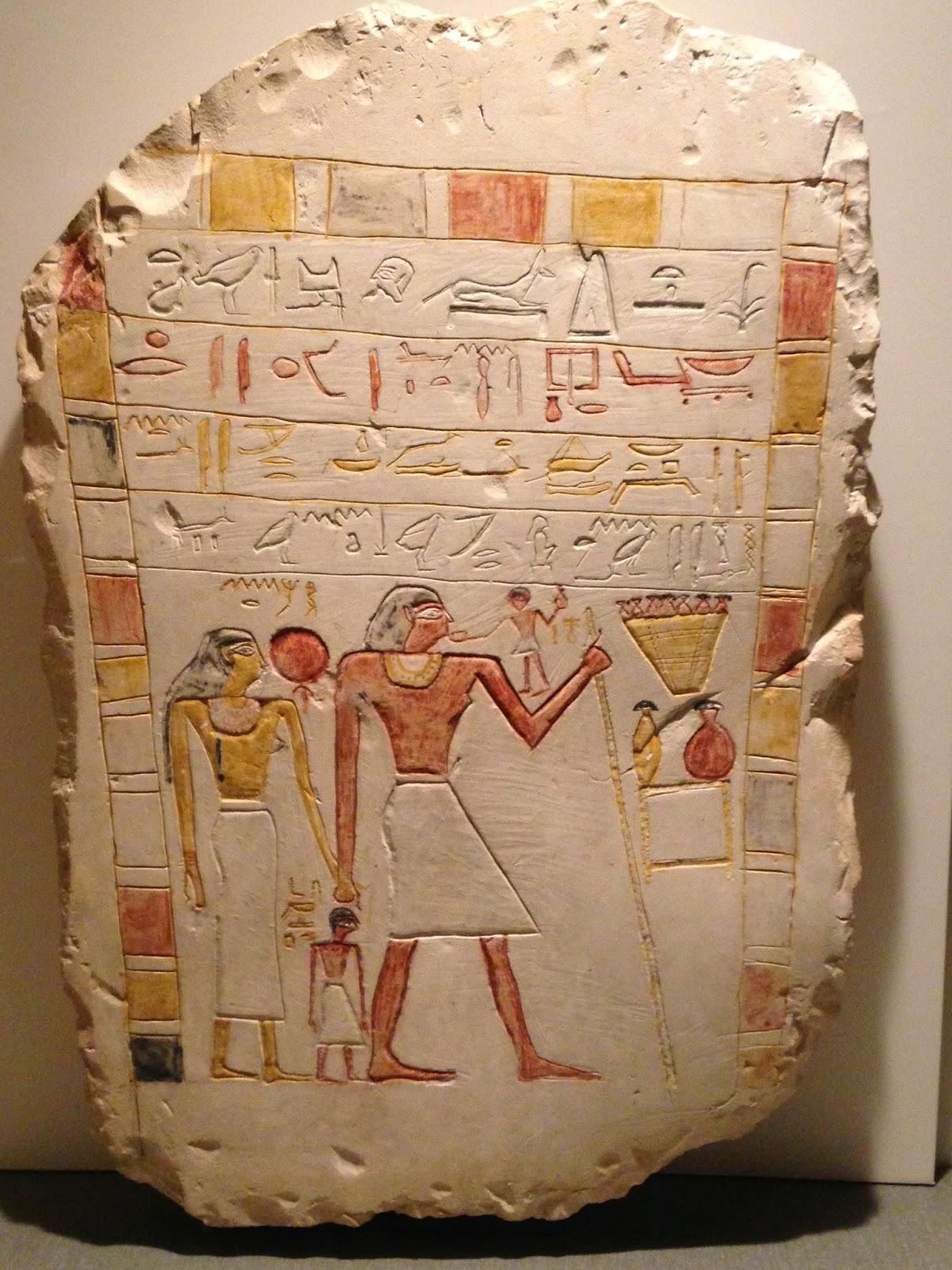
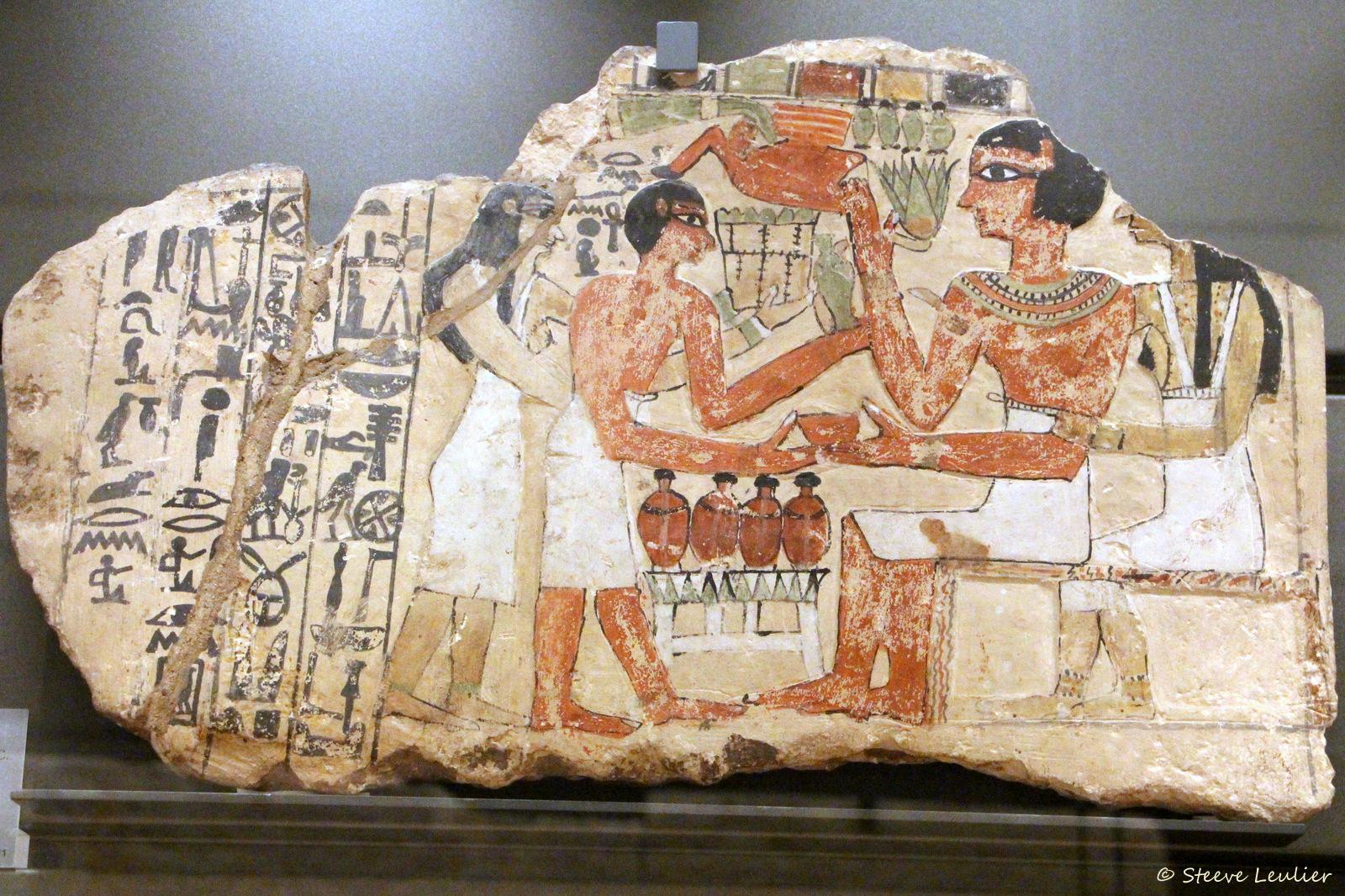
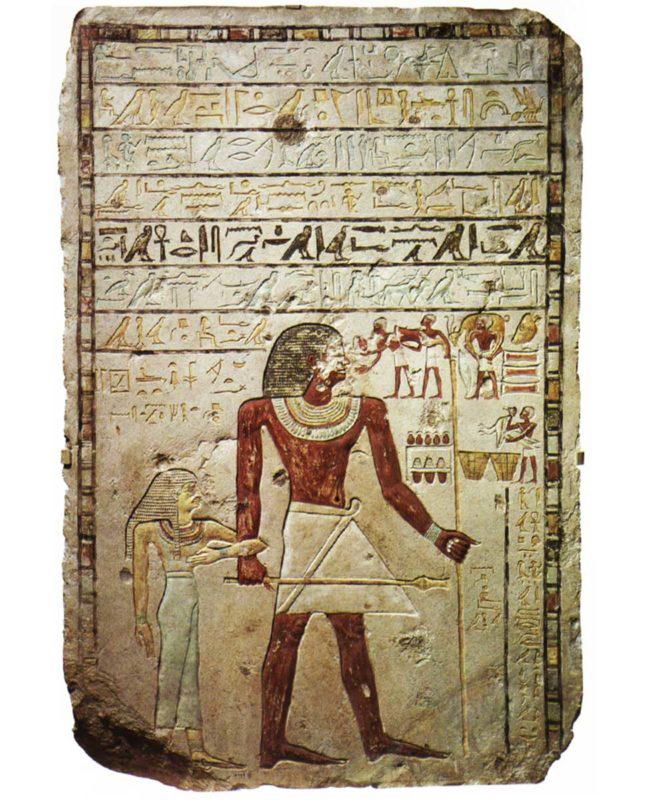
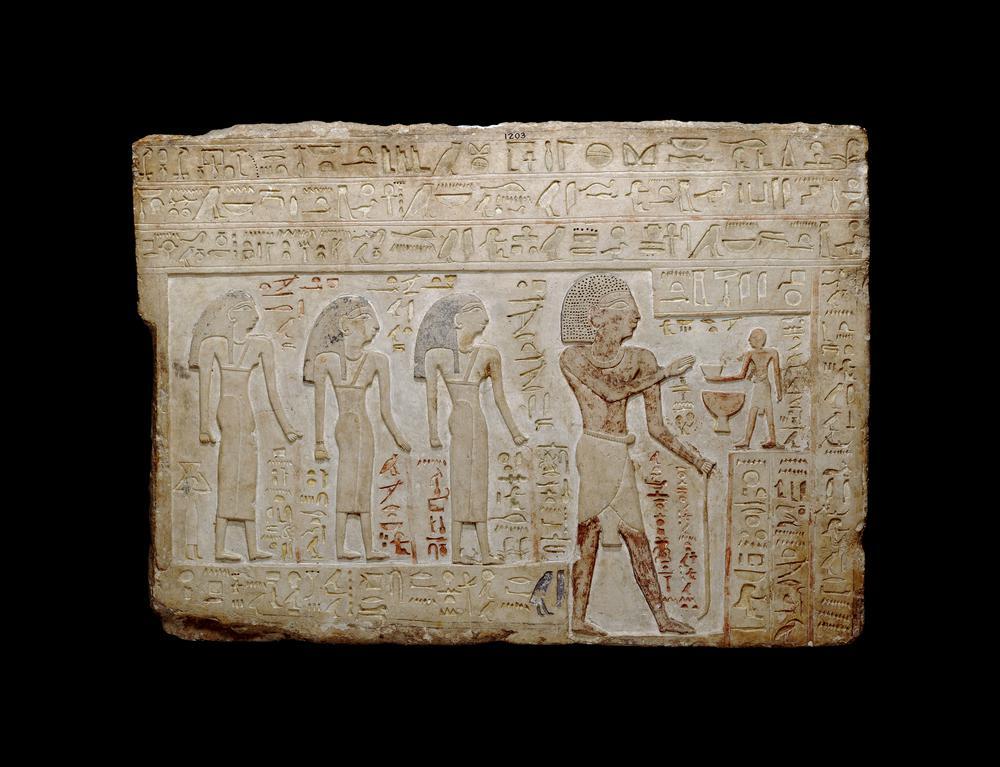
Craftsmen continued to create art.
Scribes continued writing.
Local governments developed.
Religious traditions survived.
Egypt was changing, not simply collapsing.
The Rise of Herakleopolis
As Memphis lost some of its political influence, Herakleopolis Magna became an important center.
Its rulers controlled parts of northern and central Egypt.
They adopted traditional royal customs.
At the same time, political power was growing in Upper Egypt.
Thebes became increasingly important.
This eventually produced a struggle between northern and southern powers.
The Rise of Thebes
Thebes developed into one of Egypt's most important regional centers.
Its rulers gradually expanded their political influence.
The city also possessed important religious traditions.
The Theban rulers eventually challenged the kings of the north.
Djedkare Shemai ruled before this struggle reached its final stage.
The Reunification of Egypt
The political divisions of Egypt eventually came to an end.
The Theban ruler Mentuhotep II defeated his rivals and reunified the country.
The Middle Kingdom began.
The restored monarchy became stronger.
Royal construction increased.
Trade expanded.
The Egyptian state once again possessed the resources to undertake major projects.
Djedkare Shemai's Place in History
Djedkare Shemai represents the persistence of pharaonic tradition during a period of political weakness.
Although his reign appears to have been short, he continued to hold the traditional title of king.
His royal name reflected the continuing importance of solar ideology.
His existence demonstrates that the idea of centralized kingship survived even while actual political control was increasingly divided.
Why Is Djedkare Shemai So Mysterious?
The main reason is the lack of surviving evidence.
His reign was probably short.
Few monuments were produced.
Records from the First Intermediate Period are incomplete.
Later construction may have destroyed earlier remains.
Many ancient documents have disappeared.
As a result, his personal story has largely been lost.
A Forgotten Pharaoh
Today, Djedkare Shemai is one of the least-known kings of ancient Egypt.
There is no famous statue that can confidently be identified as his portrait.
There is no major surviving temple dedicated to him.
There is no famous military victory associated with his name.
Yet he remains part of the royal sequence preserved by Egyptian tradition.
Why His Story Matters
Studying a forgotten king like Djedkare Shemai helps us understand how Egyptian civilization survived periods of political instability.
The history of Egypt was not made only by famous rulers.
It was also shaped by short-reigning kings, provincial governors, priests, farmers, craftsmen, and scribes.
Djedkare Shemai represents one small piece of this larger story.
Conclusion
Djedkare Shemai was a little-known Egyptian ruler associated with the Eighth Dynasty and the First Intermediate Period.
His personal history is almost completely unknown.
His family is unknown.
His political achievements are uncertain.
His military activities are not recorded.
His reign appears to have been short.
His burial place has not been securely identified.
Yet his name survives as part of the Egyptian royal tradition.
Djedkare Shemai ruled during a difficult period.
The centralized state of the Old Kingdom had weakened.
The great pyramids of Giza were already ancient.
Provincial governors had become increasingly powerful.
Local families controlled land and agricultural resources.
Temples possessed important estates.
The royal court had fewer resources available for monumental construction.
Environmental pressures may also have contributed to economic difficulties.
Despite all these challenges, the institution of kingship survived.
The pharaoh continued to be viewed as a divine ruler.
Traditional royal names continued to invoke the gods.
Maat remained the ideal of justice and cosmic order.
Religious traditions survived throughout the country.
The First Intermediate Period was therefore not simply an era of collapse.
It was a period of transformation.
Regional powers became stronger.
Local traditions developed.
Egyptian culture continued.
Eventually, the political divisions were overcome.
The rulers of Thebes gained power, and Mentuhotep II reunified Egypt.
The Middle Kingdom followed, bringing renewed central authority and another great period of Egyptian civilization.
Djedkare Shemai ruled before this recovery.
His reign may have been short and his physical legacy almost completely lost, but his name remains important.
It represents the continuation of Egyptian kingship through one of the most uncertain periods in the country's history.
Djedkare Shemai may have been a forgotten pharaoh, but his surviving name reminds us that even during times of political weakness, the traditions of ancient Egyptian kingship continued to endure.