Raneb, also known as Nebra, was one of the early rulers of ancient Egypt and is generally considered the second king of Egypt’s Second Dynasty. He ruled during the Early Dynastic Period, following Hotepsekhemwy.
Although Raneb is not as famous as later Egyptian rulers such as Djoser, Khufu, Hatshepsut, or Ramesses II, his reign is historically important. He lived during a period when the Egyptian state was continuing to develop its political institutions, religious traditions, royal symbolism, and administrative systems.
Raneb is especially important because his royal name provides some of the earliest evidence for the increasing importance of the sun god in Egyptian royal ideology.
Who Was Raneb?
Raneb is commonly known by two forms of his name: Raneb and Nebra.
His name is generally interpreted as meaning “Ra Is My Lord” or “Lord of the Sun.”
The name contains the element Ra, referring to the ancient Egyptian sun god.
This is particularly significant because the worship of the sun would become increasingly important in Egyptian royal ideology during later periods.
By the Old Kingdom, kings such as Djoser, Sneferu, and Khufu ruled in a religious world where solar symbolism had become extremely powerful.
Raneb lived centuries before the great pyramids, but his royal name provides an early indication of the growing importance of solar religion.
Raneb and the Second Dynasty
Raneb succeeded Hotepsekhemwy, the founder of the Second Dynasty.
The beginning of the Second Dynasty was an important period in Egyptian history.
The First Dynasty had established the foundations of the unified Egyptian kingdom.
Kings such as Narmer, Hor-Aha, Djer, Djet, Den, Anedjib, Semerkhet, and Qa'a developed centralized royal authority.
When Hotepsekhemwy became king, the political system continued.
Raneb inherited this established monarchy.
His reign appears to have maintained many of the traditions created by his predecessors.
The Meaning of the Name Raneb
The name Raneb is particularly interesting because it combines the name of the sun god Ra with the Egyptian word associated with lordship or kingship.
The exact reading and interpretation of early Egyptian royal names can sometimes be debated.
However, the connection with Ra is widely recognized.
This makes Raneb one of the earliest Egyptian kings whose name is clearly associated with the sun god.
The development of solar royal ideology would become extremely important in later Egyptian history.
During the Old Kingdom, the pharaoh was increasingly connected with the sun god.
Eventually, kings such as those of the Fifth Dynasty would build large solar temples dedicated to Ra.
Raneb's name belongs to the early stages of this religious development.
Raneb and Egyptian Kingship
The Egyptian pharaoh was more than a political ruler.
He was believed to have a special relationship with the gods.
The king's primary responsibility was to maintain maat, the divine order of the universe.
Maat included justice, balance, truth, harmony, and stability.
The king was responsible for protecting Egypt from chaos and ensuring that religious traditions were maintained.
Raneb continued this tradition.
His royal name connected him with a powerful divine force: the sun.
The sun was one of the most important natural forces in Egyptian life.
It provided light and warmth and appeared to renew itself every morning.
For the Egyptians, the daily movement of the sun represented order, renewal, and eternal life.
The Sun God Ra
Ra became one of the most important gods in ancient Egyptian religion.
He was associated with the sun and with the power that sustained life.
The sun's daily journey across the sky became an important religious concept.
During the night, the sun was believed to travel through the underworld before being reborn at dawn.
This cycle represented death and resurrection.
Although the worship of Ra became especially prominent in later periods, his religious importance was already developing during the Early Dynastic Period.
Raneb's name is an important part of this early history.
Raneb's Royal Serekh
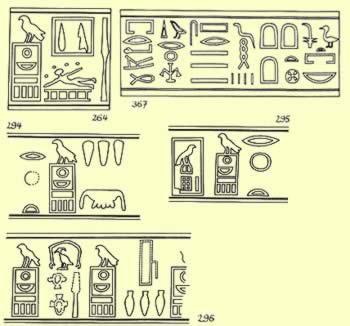
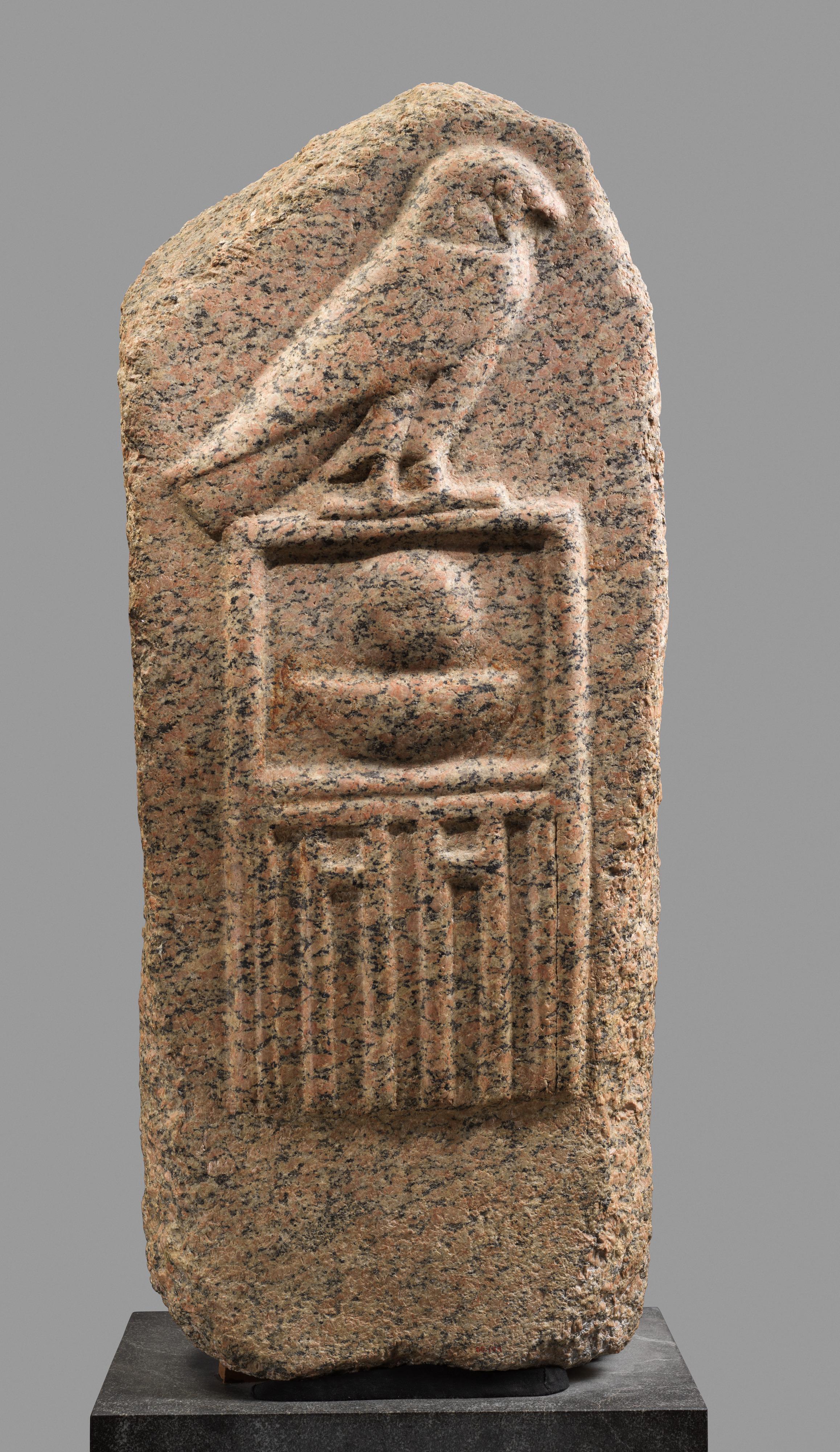
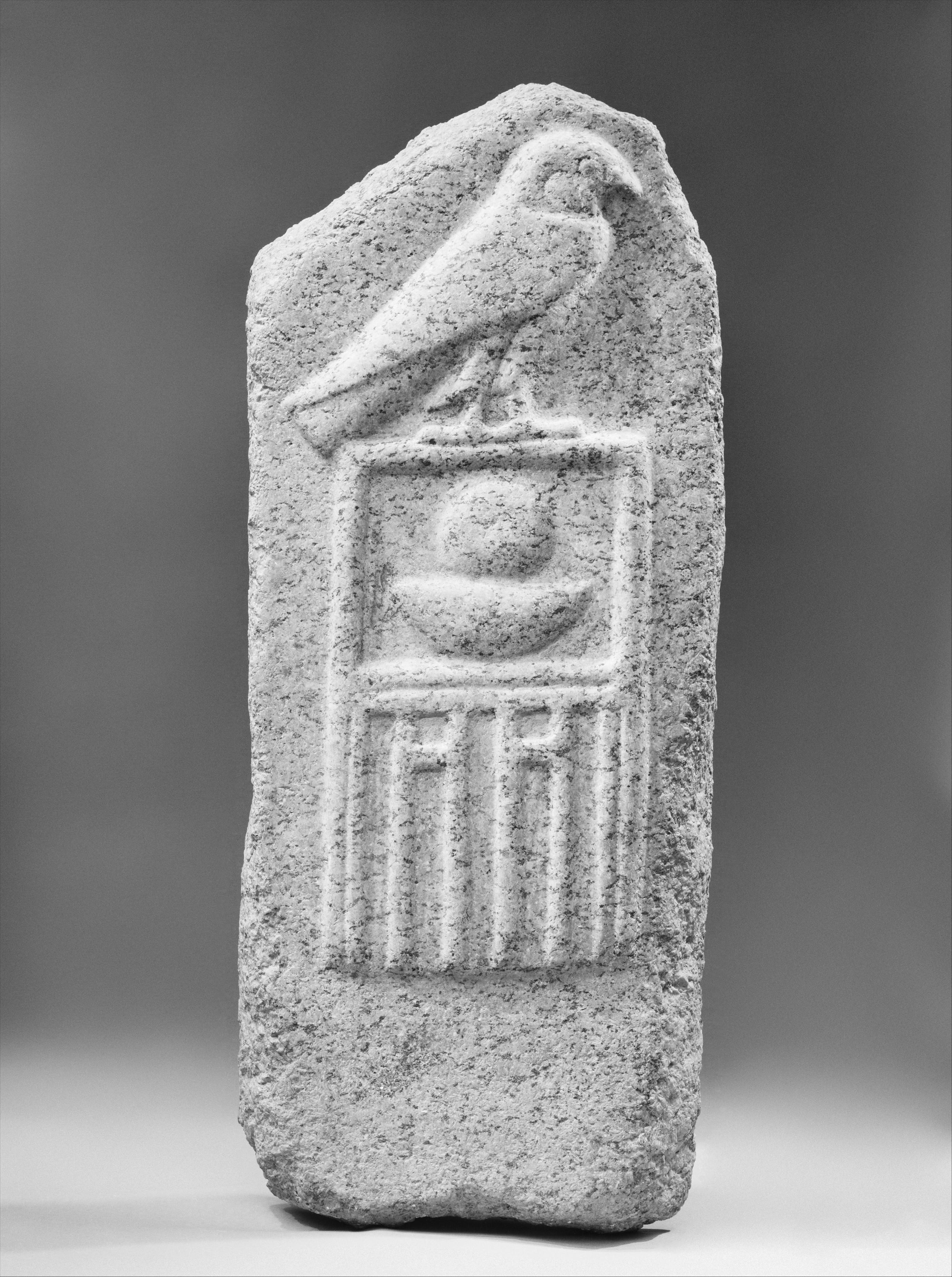
Like other kings of the Early Dynastic Period, Raneb used a serekh to display his royal name.
The serekh was a rectangular representation of the royal palace facade.
Above it was the falcon of Horus.
The use of the serekh connected the king with Horus and emphasized his authority.
The name of the king was written inside the serekh.
This tradition had already been used by the kings of the First Dynasty.
Raneb continued it during the Second Dynasty.
The serekh therefore demonstrates the continuity of royal symbolism between the two dynasties.
Archaeological Evidence
Relatively little archaeological material survives from Raneb's reign.
However, objects bearing his name have been discovered.
Stone vessels and seal impressions provide evidence for his existence and royal status.
These objects are extremely valuable because they help historians reconstruct the early Second Dynasty.
Unlike later pharaohs, Raneb did not leave behind enormous temples or pyramids.
The surviving objects are relatively small.
Yet these small artifacts can reveal important information about early Egyptian writing, royal titles, religion, and administration.
Raneb and Egyptian Administration
The Egyptian government was becoming increasingly organized during the Early Dynastic Period.
Officials managed agriculture, taxation, royal estates, trade, religious institutions, and storage facilities.
The king stood at the top of the administrative hierarchy.
Seal impressions played an important role in this system.
A seal could be pressed into clay to identify the owner or authority responsible for a container or document.
The presence of Raneb's name on administrative objects demonstrates that royal authority was being exercised through an organized bureaucracy.
This system would become even more sophisticated in later periods.
The Egyptian Economy
Agriculture was the foundation of Raneb's kingdom.
The Nile River provided the water necessary for farming.
Each year, the river flooded the surrounding land and deposited fertile soil.
Farmers grew crops such as wheat and barley.
The agricultural surplus supported the population and the royal administration.
The government collected and redistributed resources.
Royal estates supplied food to the palace and supported officials, workers, and craftsmen.
This centralized economic system allowed the monarchy to maintain its authority.
Raneb inherited an economy that had already been developing for generations.
Trade and Natural Resources
Egypt was rich in agricultural land but depended on neighboring regions for many important materials.
Trade and expeditions connected Egypt with Nubia, Sinai, the Eastern Desert, and the Levant.
Sinai was particularly important because of its deposits of copper and turquoise.
The Eastern Desert provided stone and minerals.
Nubia offered access to valuable resources and trade routes farther south.
The Levant provided access to materials such as timber and luxury goods.
The ability to obtain these resources demonstrated the organizational strength of the Egyptian state.
Raneb ruled during a period when these connections were already becoming important.
Memphis and the Northern Kingdom
The city of Memphis was one of the most important centers of early Egypt.
Its location near the transition between Upper and Lower Egypt made it strategically valuable.
Memphis provided access to both the Nile Delta and the Nile Valley.
It became an important administrative and religious center.
The nearby cemetery of Saqqara also became increasingly important.
Although the famous Step Pyramid would not be built until centuries later, the area was already being used for elite burials during the Early Dynastic Period.
Raneb's reign belongs to this early development of the Memphis-Saqqara region.
Abydos and the Southern Tradition
Abydos remained one of the most important sacred areas in southern Egypt.
The royal cemetery at Umm el-Qa'ab had been used by the kings of the First Dynasty.
The area became closely associated with the royal ancestors.
Later, Abydos became one of the most important centers of the worship of Osiris.
The early royal traditions established at Abydos continued to influence Egyptian religion for thousands of years.
Raneb's reign occurred during the continuation of these traditions.
Raneb and Royal Religion
Religion was closely connected with politics.
The pharaoh's legitimacy depended partly on his relationship with the gods.
The king was expected to maintain temples and rituals.
Although very few religious monuments can be securely attributed to Raneb, his name demonstrates the growing importance of divine associations in royal identity.
The use of Ra in his name is particularly significant.
It suggests that solar religious concepts were becoming increasingly integrated into the identity of Egyptian kings.
The Development of Solar Kingship
Later Egyptian pharaohs became deeply associated with the sun.
During the Old Kingdom, the king was increasingly described in connection with Ra.
The Fifth Dynasty became especially famous for its solar temples.
The pyramids themselves were also associated with solar ideas.
Their polished surfaces could reflect sunlight, while their rising form may have had symbolic connections with the rays of the sun.
Raneb lived before this architectural development.
Nevertheless, his name provides an early example of a king incorporating the solar deity into his royal identity.
Raneb's Tomb
The exact location of Raneb's tomb remains uncertain.
Unlike later famous pharaohs whose tombs are clearly identified, the burial places of some early Second Dynasty kings are difficult to determine.
Some archaeological remains at Saqqara have been considered possible royal structures, but their attribution remains debated.
The limited evidence makes it difficult to reconstruct Raneb's burial complex with confidence.
This is common when studying the earliest dynasties of Egypt.
Many monuments were damaged, reused, or buried beneath later structures.
Early Egyptian Burial Traditions
During the Second Dynasty, royal burial traditions were continuing to develop.
Kings were buried in large underground complexes.
The tomb protected the body and provided space for offerings and funerary equipment.
The Egyptians believed that the king would continue to exist after death.
His eternal life depended on the preservation of his identity and the performance of appropriate rituals.
These beliefs would eventually lead to the enormous pyramid complexes of the Old Kingdom.
Raneb's reign belongs to the period when these traditions were still evolving.
Raneb and the Concept of Eternal Renewal
The sun's daily cycle provided an important religious model for the Egyptians.
Every morning, the sun appeared again after traveling through the darkness of night.
This cycle was associated with renewal and eternal life.
The connection between kingship and the sun therefore had powerful symbolic meaning.
A king connected with Ra could be understood as participating in this eternal cycle.
Although later Egyptian theology developed this concept in much greater detail, Raneb's name provides an early indication of the connection between kingship and solar power.
Raneb's Relationship with His Predecessor
Raneb followed Hotepsekhemwy.
The transition between the two rulers appears to have been relatively straightforward.
There is no strong archaeological evidence for a major political crisis during Raneb's accession.
The continued use of royal administrative traditions suggests that the monarchy remained functional.
Raneb's reign therefore represents continuity rather than a complete break with the past.
The Second Dynasty continued to build on institutions established during the First Dynasty.
Raneb's Successor
Raneb was eventually succeeded by Nynetjer, another important ruler of the Second Dynasty.
Nynetjer is better documented than Raneb and appears to have ruled for a considerably longer period.
The continuation of the royal line demonstrates the stability of the Second Dynasty.
The dynasty would eventually experience political changes before the rise of the Third Dynasty.
However, the central institution of pharaonic kingship survived.
Raneb's Historical Importance
Raneb is important not because of enormous monuments but because of his place in the development of Egyptian civilization.
He ruled during the early Second Dynasty.
His name provides some of the earliest evidence for the royal association with Ra.
His artifacts demonstrate the continuation of writing and administration.
His reign belongs to the period when Memphis and Saqqara were becoming increasingly important.
His position also shows the continuity of Egyptian kingship after the First Dynasty.
From Raneb to the Pyramids
The story of Raneb helps explain how Egypt developed from a newly unified kingdom into a monumental civilization.
The earliest kings established political unity.
The First Dynasty developed centralized administration.
The Second Dynasty strengthened these institutions.
Religious traditions became increasingly connected with royal authority.
Writing and bureaucracy became essential parts of government.
Architecture gradually moved toward larger and more ambitious stone monuments.
By the time Djoser became king in the Third Dynasty, Egypt was ready for the revolutionary construction of the Step Pyramid at Saqqara.
Centuries later, the pyramids of Giza would represent the height of Old Kingdom engineering.
Raneb was one of the early rulers in this long process.
Raneb's Legacy
Raneb's legacy is mainly preserved through his name and the religious ideas associated with it.
His connection with Ra is particularly important.
The sun would become one of the most powerful symbols of Egyptian kingship.
Later pharaohs would use solar imagery extensively.
Temples, pyramids, royal names, and religious texts would all express the relationship between the king and the sun god.
Raneb therefore occupies an important place in the early history of solar kingship.
Conclusion
Raneb, also known as Nebra, was the second ruler of Egypt's Second Dynasty and one of the earliest pharaohs associated with the sun god Ra.
He ruled during the Early Dynastic Period, when Egypt's centralized monarchy was still developing.
Although few monuments survive from his reign, archaeological evidence such as stone vessels, seal impressions, and inscriptions bearing his name confirms his importance as a historical ruler.
His royal name is particularly significant because it connects the pharaoh with Ra, one of the most important gods in Egyptian religion.
This connection would become increasingly powerful in later periods and eventually become a central feature of Old Kingdom royal ideology.
Raneb inherited the administrative and political traditions established by the First Dynasty.
The Nile-based economy continued to support the kingdom.
Trade networks connected Egypt with neighboring regions.
Memphis and Saqqara continued to develop as important political and funerary centers.
Abydos remained an important site for royal traditions and religious memory.
Although Raneb's personal life remains largely unknown, his reign represents an important stage in the evolution of Egyptian kingship.
He ruled long before the pyramids of Giza, the temples of Karnak, and the magnificent tombs of the Valley of the Kings.
Yet the political institutions, religious traditions, writing systems, and royal ideology of his period helped create the foundations for those later achievements.
Raneb may have left only a small archaeological footprint, but his name marks an important moment in the rise of solar kingship and the continuing development of one of the world's greatest ancient civilizations.