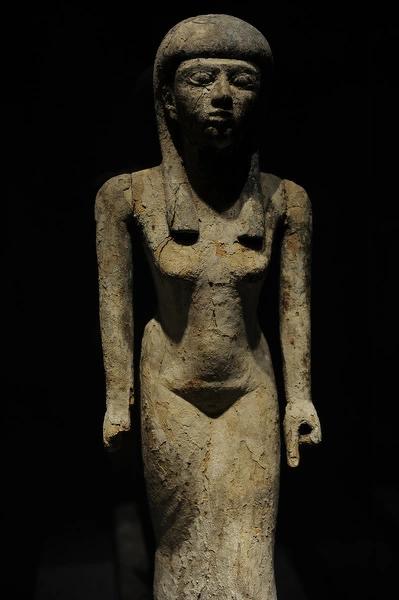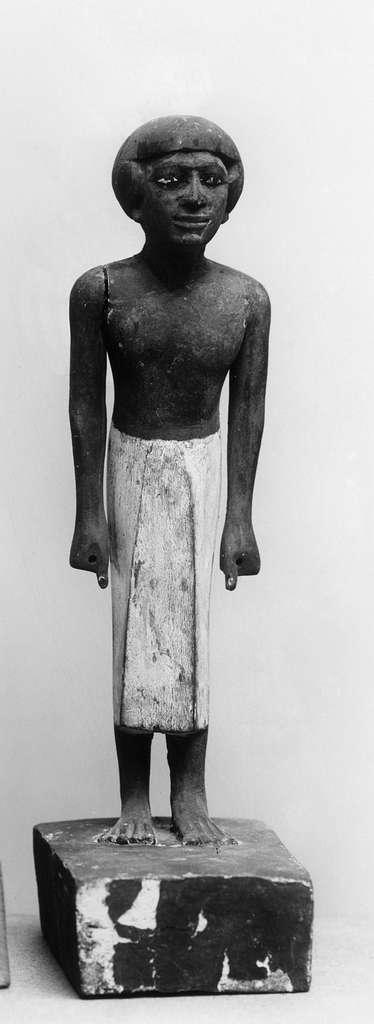
Menkare was one of the obscure rulers associated with Egypt’s Eighth Dynasty, a period of political uncertainty that followed the decline of the Old Kingdom. Very little is known about this king, and his reign was probably extremely short.
Unlike the great pharaohs who built the pyramids of Giza or the magnificent temples of later Egypt, Menkare left behind almost no securely identified monuments. His personal life, family, military activities, and administrative policies are largely unknown.
Yet Menkare remains historically important because his name represents a surviving fragment of Egypt's royal tradition during one of the most difficult transitions in the country's history.
Egypt Before Menkare
For centuries, Egypt had been ruled by a powerful centralized monarchy.
The pharaoh stood at the center of political and religious life.
Royal officials managed agriculture, taxation, labor, temples, and trade.
The Nile River provided fertile land and served as the main transportation route connecting Upper and Lower Egypt.
This centralized organization allowed Egypt to build enormous monuments.
During the Old Kingdom, royal authority reached extraordinary levels.
The Great Pyramid Builders
The Fourth Dynasty produced some of Egypt's most famous rulers.
Sneferu developed new pyramid designs.
His successors Khufu, Khafre, and Menkaure built the great pyramid complexes at Giza.
These monuments required huge amounts of organization.
Workers had to quarry stone, transport materials, prepare food, construct temples, and maintain religious ceremonies.
The pyramids were symbols of royal authority.
They demonstrated that the pharaoh could command the resources of the entire country.
Centuries later, Menkare would rule in a very different political environment.
The Sixth Dynasty
The centralized state continued through the Fifth and Sixth Dynasties.
The kings remained powerful.
But provincial officials gradually became more influential.
Local governors controlled agricultural estates.
Administrative positions became increasingly hereditary.
The royal court increasingly depended on powerful regional families.
This slowly weakened the central administration.
Pepi II and the End of the Old Kingdom
The last great king of the Sixth Dynasty was Pepi II.
His throne name was Neferkare.
Ancient sources traditionally describe his reign as extraordinarily long.
During the later part of his rule, the political structure of Egypt became increasingly decentralized.
When Pepi II died, the succession became unstable.
Several short-lived rulers followed.
Eventually, the Sixth Dynasty ended.
Egypt entered the First Intermediate Period.
Menkare belonged to this troubled period.
The Eighth Dynasty
The Eighth Dynasty is one of the least understood dynasties of ancient Egypt.
Its rulers were probably associated with Memphis.
They attempted to preserve the traditions of Old Kingdom kingship.
They used traditional royal names.
They continued the worship of the ancient gods.
They maintained the idea that the pharaoh was the legitimate ruler of Egypt.
But their practical power appears to have been limited.
Several rulers may have ruled for only a very short time.
Menkare was one of these obscure kings.
The Meaning of Menkare
The name Menkare is usually interpreted in relation to the ancient Egyptian concept of the ka and the solar god Ra.
The element ka referred to an important aspect of a person's spiritual life force.
The element Ra referred to the great solar deity.
Royal names involving Ra were common throughout Egyptian history.
They expressed the king's relationship with divine power.
Menkare's name therefore reflects the continuation of traditional Egyptian royal ideology.
A King Lost to History
There is almost no surviving narrative about Menkare.
We do not know where he was born.
We do not know his parents.
We do not know his wife or children.
We do not know whether he led military expeditions.
We do not know whether he introduced administrative reforms.
We do not know how he died.
His historical identity is largely based on his appearance within the surviving tradition of Egyptian kings.
The Abydos King List
The Abydos King List is one of the most important sources for reconstructing Egyptian royal history.
It was created during the New Kingdom, centuries after Menkare's lifetime.
The list preserves the names of many earlier kings.
Menkare is remembered within the tradition of rulers associated with the First Intermediate Period.
The existence of his name in the royal tradition is significant.
It indicates that later Egyptian scribes remembered him as part of the legitimate royal succession.
The Turin Royal Canon
The Turin Royal Canon is another important source.
This ancient papyrus records Egyptian kings and, in some cases, their reign lengths.
Unfortunately, the document is badly damaged.
The section covering the First Intermediate Period is particularly difficult to reconstruct.
This makes the chronology of rulers such as Menkare uncertain.
A Short Reign
Menkare's reign appears to have been very short.
The Eighth Dynasty included several kings who may have ruled for only months or a few years.
Such rapid changes in leadership made it difficult to establish stable government.
A short reign also limited the king's ability to construct monuments.
The large pyramids of earlier Egypt required decades of planning and enormous resources.
Menkare ruled during a time when those resources were increasingly controlled by regional powers.
The Rise of Provincial Power
Egypt was divided into administrative regions known as nomes.
Each nome had officials responsible for local government.
During the Old Kingdom, these officials were closely connected to the central monarchy.
Over generations, however, their positions became hereditary.
Local governors accumulated land and wealth.
Some became powerful enough to act almost independently.
Their increasing authority weakened the central government.
Economic Decentralization
The Egyptian economy was closely connected to agriculture.
The central government traditionally collected agricultural resources and redistributed them.
But as provincial elites gained control over local estates, resources became increasingly decentralized.
Temples also controlled large amounts of land.
The royal court therefore had fewer resources available for large construction projects.
This helps explain the decline of monumental royal architecture during the First Intermediate Period.
The Nile
The Nile remained the foundation of Egyptian civilization.
Its annual flood created fertile agricultural land.
Farmers produced wheat, barley, vegetables, and other crops.
The river also provided transportation.
Boats could carry food, stone, people, and trade goods between different regions.
Even during political instability, the Nile continued to connect Egyptian communities.
Environmental Pressures
Some historians believe that environmental changes contributed to the crisis surrounding the end of the Old Kingdom.
Changes in rainfall patterns could influence the Nile flood.
Lower floods could reduce agricultural production.
This could increase economic and social pressure.
However, environmental conditions were only one part of a much larger transformation.
Political decentralization was equally important.
Religion During Menkare's Time
Egyptian religion continued despite political instability.
Ra remained a major solar deity.
Horus remained closely associated with kingship.
Osiris became increasingly important in funerary religion.
Ptah remained important at Memphis.
Min, Hathor, Anubis, and many other gods continued to be worshiped.
Religious traditions helped preserve a sense of cultural continuity.
Maat and the Pharaoh
The concept of maat was central to Egyptian kingship.
Maat represented truth, justice, balance, and cosmic order.
The pharaoh was expected to preserve maat.
He was supposed to protect Egypt from chaos.
During political fragmentation, the concept became especially important because the ideal of a unified, orderly Egypt remained alive even when the country was politically divided.
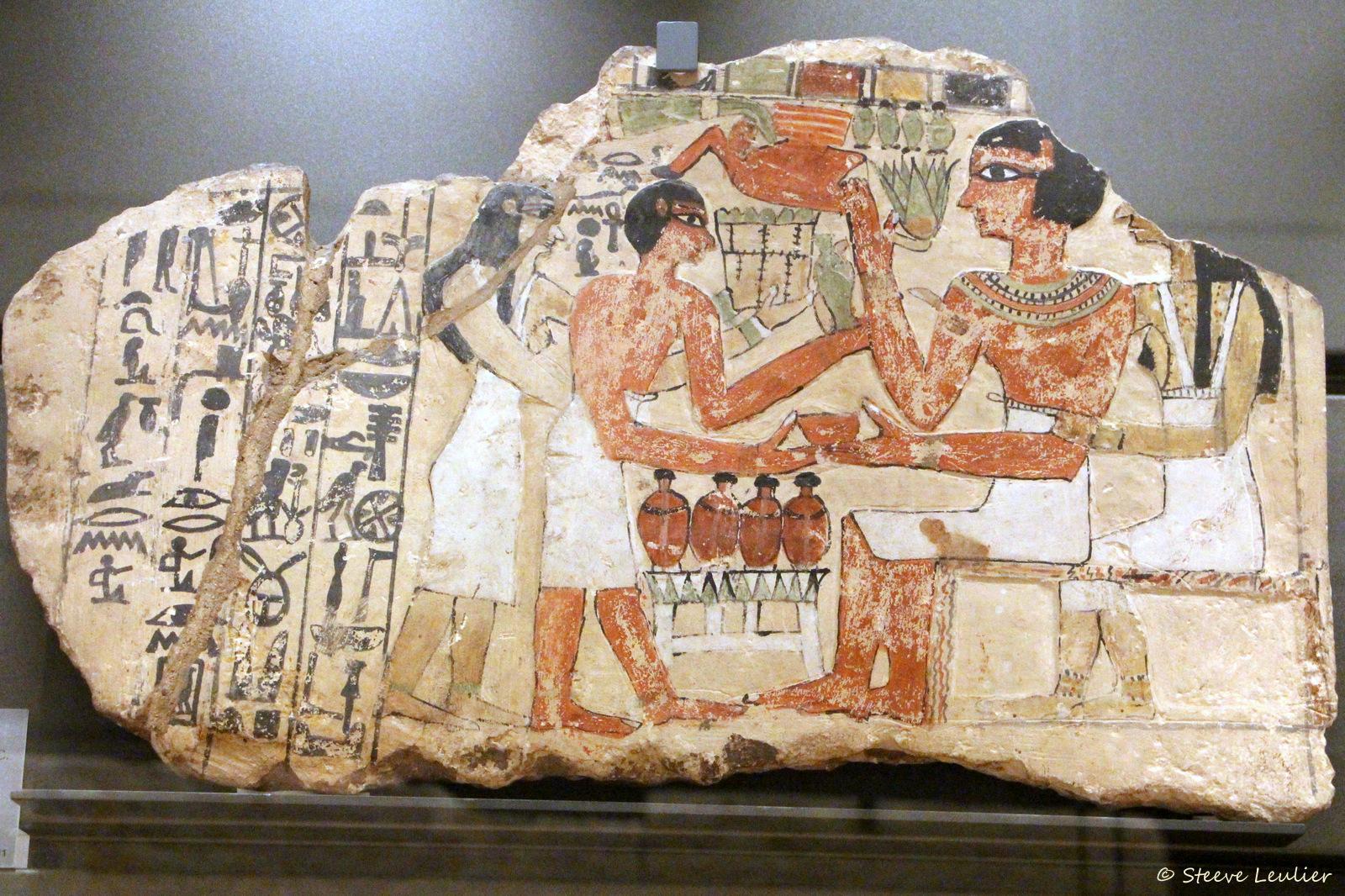
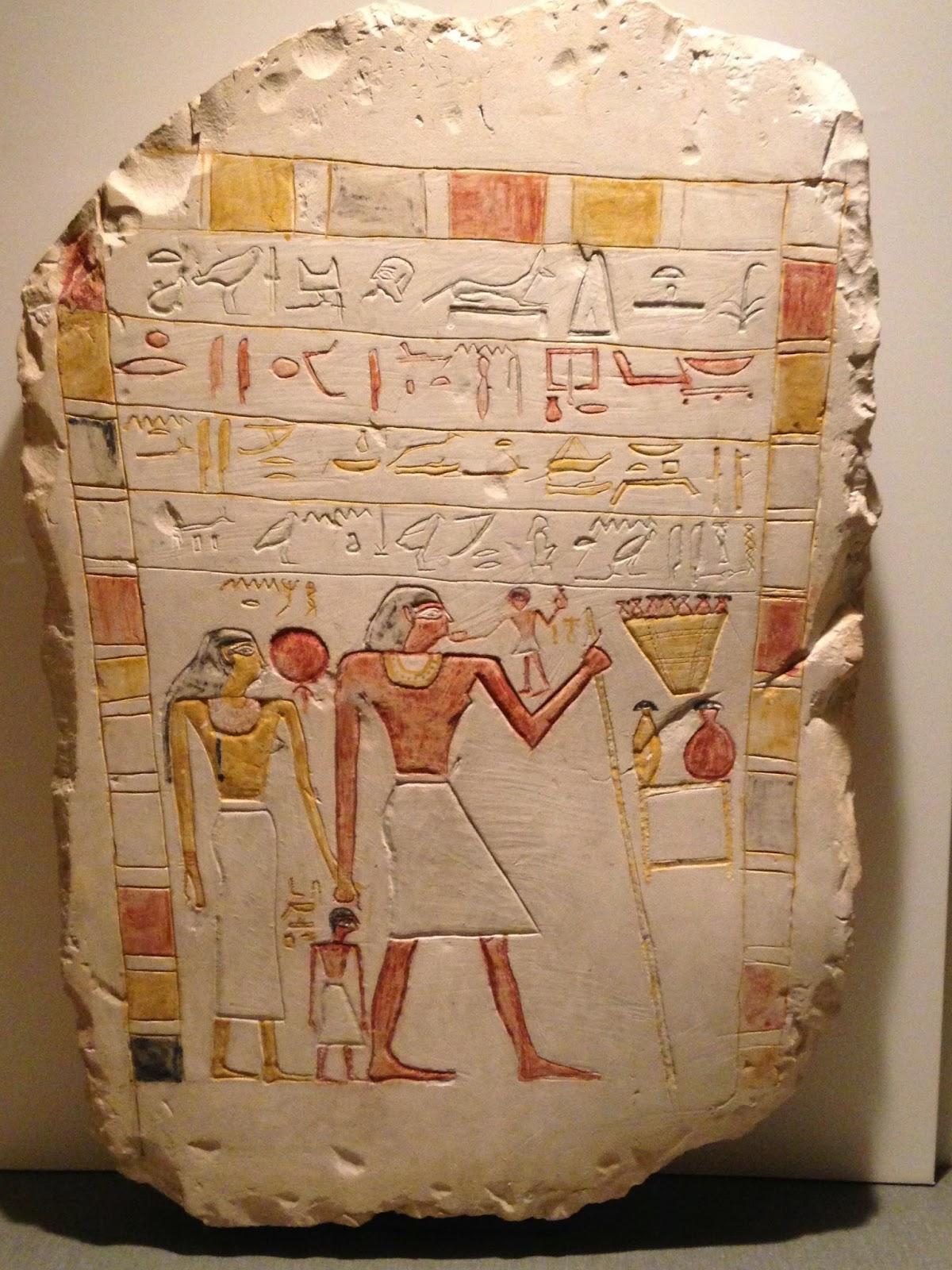
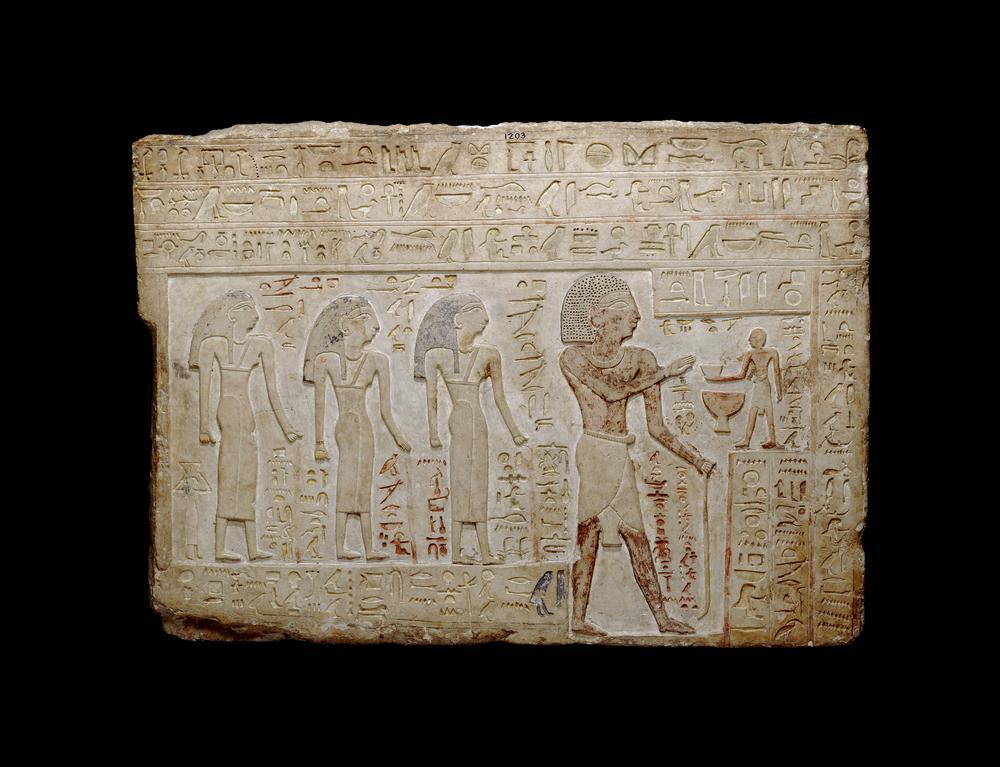
Funerary Traditions
Ancient Egyptians believed that death was a transition rather than an end.
The deceased required offerings and prayers.
Tombs were designed to provide a place where the dead could receive eternal sustenance.
Kings traditionally received elaborate funerary complexes.
However, Menkare's period was very different from the age of the great pyramids.
No Secure Pyramid
No pyramid has been securely identified as belonging to Menkare.
This is not surprising.
A pyramid required enormous resources.
Thousands of workers had to be organized.
Stone had to be transported.
Priests and administrators had to maintain the funerary cult.
A short-reigning king in a politically fragmented country would have found such a project extremely difficult.
The Decline of Royal Monuments
The decline in monumental royal construction was one of the clearest signs of the weakening central government.
The pyramids of Giza represented the enormous power of the Old Kingdom monarchy.
During the First Intermediate Period, royal monuments became much smaller.
Provincial elites increasingly became the patrons of monumental tombs.
This changed the archaeological landscape of Egypt.
The First Intermediate Period
Menkare's reign belongs to the First Intermediate Period.
This era is often described as a period of political division.
But Egypt did not simply collapse.
Local communities continued to function.
Agriculture continued.
Temples continued their religious activities.
Art continued to develop.
Scribes continued to write.
Local governors became more influential.
Egyptian civilization survived.
The Rise of Thebes
As the northern monarchy weakened, political power developed in Upper Egypt.
Thebes gradually became a major center.
Its local rulers became increasingly powerful.
In northern and central Egypt, rulers based at Herakleopolis also gained influence.
The competition between these regional powers eventually shaped the later First Intermediate Period.
Menkare ruled before the final reunification.
Herakleopolis
Herakleopolis Magna became one of the major political centers of the First Intermediate Period.
Its rulers claimed royal authority.
They maintained many traditional Egyptian customs.
Their growing power demonstrated how fragmented Egypt had become.
The struggle between Herakleopolis and Thebes would eventually determine the future of the country.
Mentuhotep II and Reunification
The final victory went to the Theban ruler Mentuhotep II.
He defeated his northern rivals and reunited Egypt.
The centralized monarchy was restored.
This marked the beginning of the Middle Kingdom.
The new era brought renewed political stability, major building projects, military activity, and cultural development.
Menkare's Place in Egyptian History
Menkare lived during the period between the Old Kingdom and Middle Kingdom.
His reign represents a moment when the institution of kingship survived even though the centralized state was weakening.
The pharaoh continued to be presented as a divine ruler.
Traditional royal names continued.
Religious ceremonies continued.
The concept of maat remained central.
This continuity was crucial for Egypt's eventual political recovery.
Why Menkare Is So Mysterious
Several factors explain the lack of information about Menkare.
His reign was probably extremely short.
Few monuments were produced.
Records from the First Intermediate Period are incomplete.
Later construction destroyed or reused many earlier buildings.
The political instability of the period may have contributed to the loss of royal archives.
As a result, Menkare became one of Egypt's forgotten rulers.
The Value of a Forgotten King
Menkare may not have built a famous monument, but his name is still valuable.
Each surviving royal name helps historians reconstruct the sequence of rulers.
These names reveal that the institution of pharaoh continued even during political instability.
They also provide clues about religious traditions and royal ideology.
Without such evidence, the history of the First Intermediate Period would be even more difficult to understand.
A King Between Eras
Menkare can be viewed as a ruler standing between two great periods.
The Old Kingdom was famous for its centralized state and pyramids.
The Middle Kingdom would later become famous for reunification and renewed royal power.
Between them came a period of fragmentation.
Menkare belonged to this transitional world.
Legacy
Menkare's legacy is not based on military conquest or monumental architecture.
His legacy is the survival of his name.
The fact that later Egyptian traditions preserved him shows the importance Egyptians placed on royal history.
Even a short-lived king could remain part of the official memory of the country.
Conclusion
Menkare was a little-known ruler associated with Egypt's Eighth Dynasty and the First Intermediate Period.
Almost nothing is known about his personal life.
His family is unknown.
His political achievements are uncertain.
His military campaigns are not recorded.
His exact reign length is unclear.
His burial place has not been securely identified.
Yet his name provides a valuable glimpse into one of the most complicated periods of ancient Egyptian history.
Menkare ruled after the decline of the Old Kingdom's centralized political system.
The powerful state that had built the pyramids of Giza was no longer able to exercise the same level of control.
Provincial governors became increasingly powerful.
Local families controlled more land and wealth.
Temples possessed significant resources.
The royal court faced economic and political challenges.
Environmental pressures may also have affected agriculture and the Nile flood.
Despite these difficulties, Egyptian civilization survived.
The Nile continued to support farming.
Temples continued their religious activities.
People continued to worship the ancient gods.
Artists and craftsmen continued their work.
Scribes continued to preserve Egyptian traditions.
The institution of kingship also survived.
Menkare's royal name reflected the continuing connection between the pharaoh and the divine world.
The concept of maat remained central to Egyptian ideas of government and order.
Eventually, the political divisions of Egypt were overcome.
The Theban rulers became powerful, and Mentuhotep II reunited the country.
The Middle Kingdom followed, bringing renewed central authority and another great period of Egyptian civilization.
Menkare ruled before this transformation.
His reign was probably brief, and his historical footprint is small.
But his existence helps demonstrate that the Egyptian monarchy did not simply disappear after the Old Kingdom.
Instead, it survived through a difficult period of fragmentation until Egypt could once again be unified.
Menkare may be one of the forgotten pharaohs of ancient Egypt, but his name remains an important fragment of the long story connecting the Old Kingdom with the Middle Kingdom.