Neferkare is one of the royal names associated with the pharaoh Pepi II, one of the most famous rulers of Egypt's Sixth Dynasty. The name is particularly important because Pepi II's reign is traditionally remembered as one of the longest in ancient Egyptian history. He ruled during the later part of the Old Kingdom, a period famous for powerful pharaohs, enormous pyramids, sophisticated administration, and a highly developed religious tradition.
The name Neferkare can be translated approximately as "Beautiful is the Ka of Ra" or "The Ka of Ra is Perfect." It reflects the close relationship between Egyptian kingship and the sun god Ra. Egyptian royal names were not simply personal names. They were carefully chosen expressions of royal identity and divine legitimacy.
Neferkare's story is therefore closely connected with Pepi II, the long-reigning king who ruled Egypt during a period of major political and economic transformation.
Neferkare and Pepi II
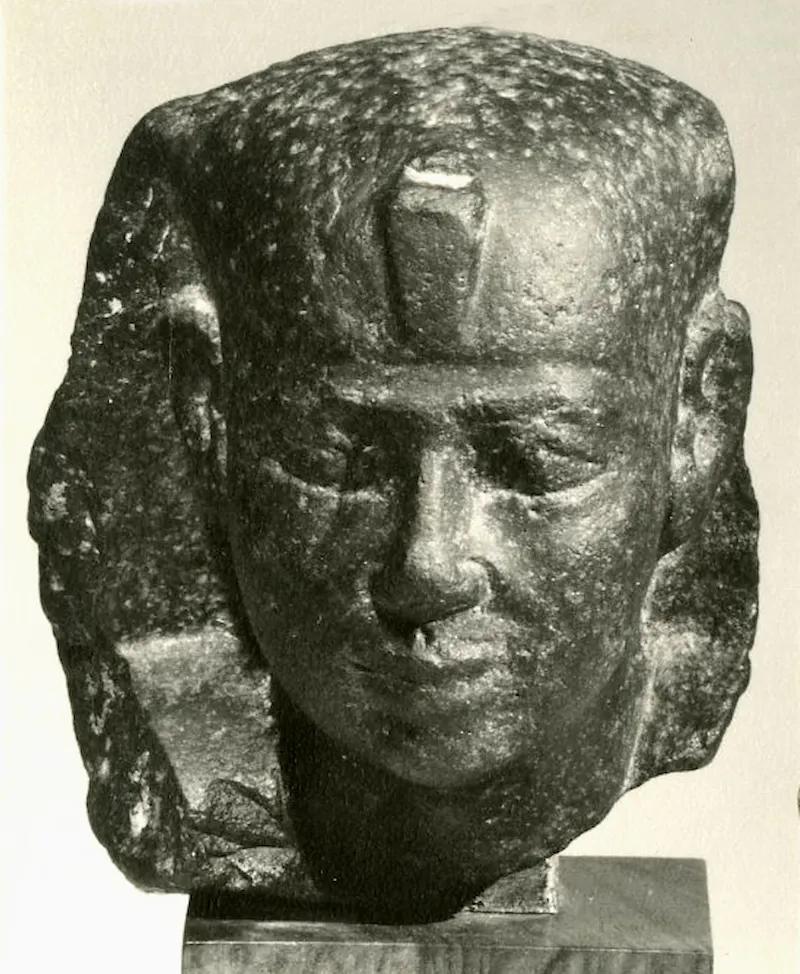
Pepi II was born into the royal family of the Sixth Dynasty. His birth name was Pepi, while Neferkare was his throne name.
He succeeded his predecessor Merenre I, who appears to have died relatively young.
According to later traditions, Pepi II became king when he was still a child.
Because of his young age, powerful officials would have played an important role in the administration of the kingdom during the beginning of his reign.
This created a long period of continuity in the Egyptian monarchy.
Pepi II eventually became one of the longest-reigning pharaohs in Egyptian history.
The Meaning of Neferkare
The royal name Neferkare contains important religious ideas.
"Nefer" can mean beautiful, good, or perfect.
"Ka" refers to the vital spiritual force associated with a person.
"Ra" was the great solar deity and one of the most important gods in Egyptian religion.
The name therefore presented the king as closely connected with the divine power of the sun.
This was an important part of Egyptian royal ideology.
The pharaoh was not considered an ordinary human ruler.
He had a unique relationship with the gods and was responsible for maintaining maat, the divine order of the universe.
A Young King on the Throne
If the traditional account of Pepi II's accession is correct, he became king at a very young age.
A famous story tells of a Nubian official named Harkhuf, who served the Egyptian crown and conducted expeditions into Nubia.
Harkhuf left an inscription in his tomb at Qubbet el-Hawa near Aswan.
One of the most famous passages refers to a young king's excitement about a rare "dancing dwarf" or pygmy brought back from an expedition.
The king sent instructions emphasizing how carefully the person should be protected.
This inscription provides a fascinating glimpse into the royal court during the early reign of Pepi II.
Harkhuf and the Nubian Expeditions
Harkhuf was an important official and expedition leader.
He traveled south into regions of Nubia and beyond, establishing trade relationships and bringing valuable goods back to Egypt.
These expeditions demonstrated the reach of the Egyptian state.
Nubia was important because it provided access to resources such as gold, ebony, ivory, animal products, and other valuable materials.
The Nile served as the main route connecting Egypt with these southern regions.
The activities of officials like Harkhuf show that Egypt maintained extensive contacts with neighboring territories during the Sixth Dynasty.
The Kingdom Under Neferkare
During the early part of Pepi II's reign, Egypt remained a powerful and organized kingdom.
The royal government controlled major resources.
Temples received land and offerings.
Officials administered agricultural estates.
Expeditions traveled beyond Egypt's borders.
The pharaoh remained the symbolic center of the entire political system.
However, over the course of the long reign, Egypt's political structure gradually changed.
The Power of the Provinces
One of the most important developments of the Sixth Dynasty was the increasing power of provincial officials.
Egypt was divided into administrative regions known as nomes.
Each region had officials responsible for agriculture, taxation, administration, and local affairs.
As generations passed, some provincial families accumulated considerable wealth.
Their positions increasingly became hereditary.
This meant that local officials could become powerful independently of the royal court.
The Long Reign of Pepi II
Pepi II's reign is famous because ancient sources traditionally give him an extraordinarily long reign.
Some later traditions suggest he ruled for more than ninety years.
Modern historians, however, debate the precise number.
The ancient evidence is not complete, and the chronology of the late Sixth Dynasty remains difficult.
Even if the highest traditional figure is not accepted, Pepi II clearly ruled for a very long time.
His reign probably lasted several decades.
Stability and Change
A very long reign can provide political stability.
Generations of officials may become accustomed to the same ruler.
Government institutions can continue without major disruption.
However, a long reign can also allow local power structures to become deeply established.
This appears to have happened during the later Sixth Dynasty.
Provincial families became increasingly influential.
The central government continued to exist, but its ability to control every region may have weakened.
The Pyramid of Pepi II
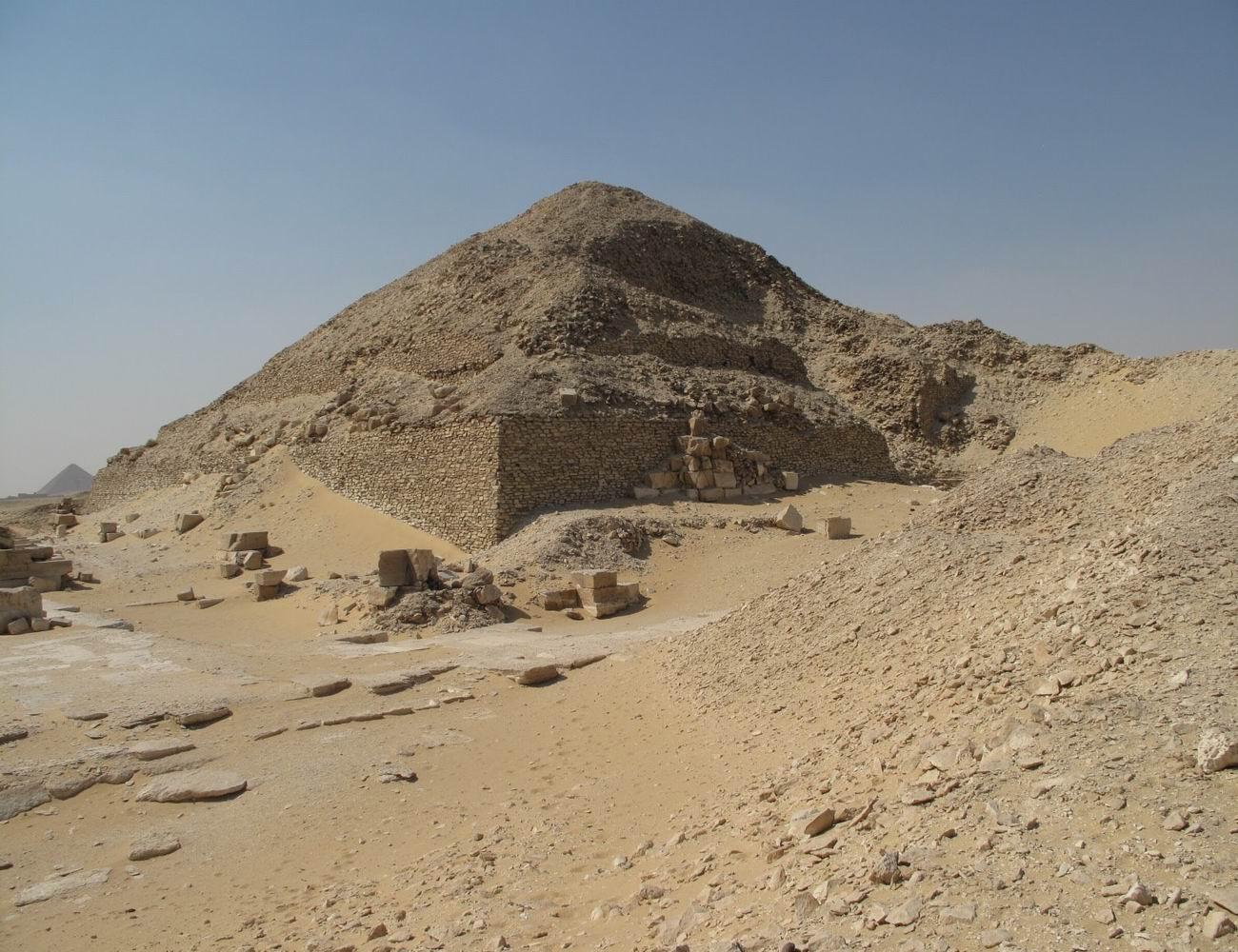
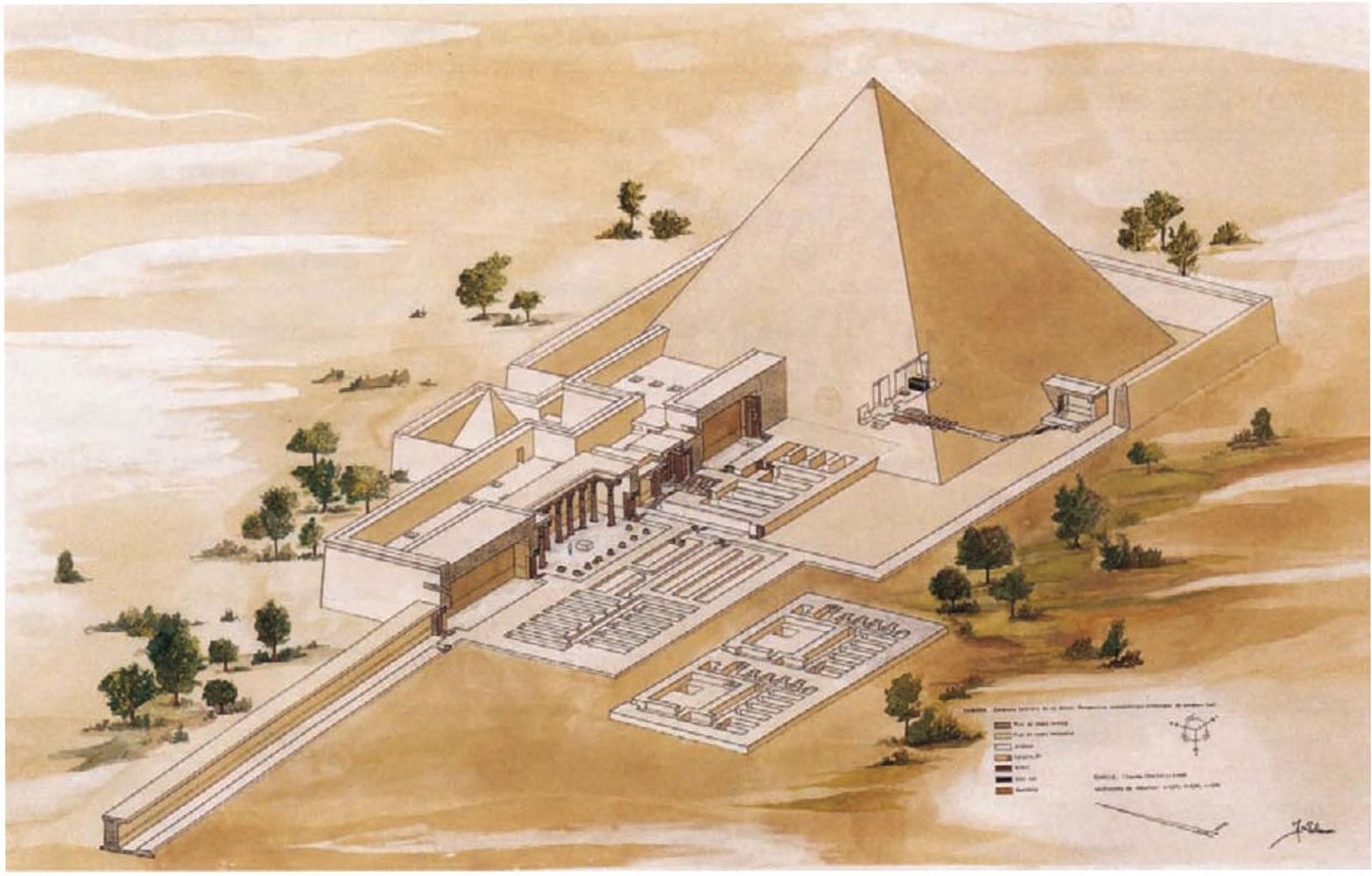
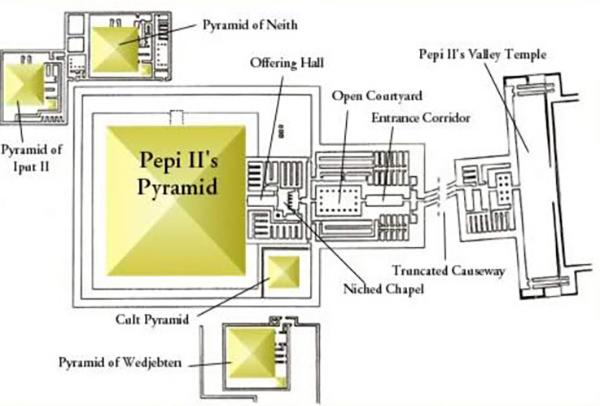
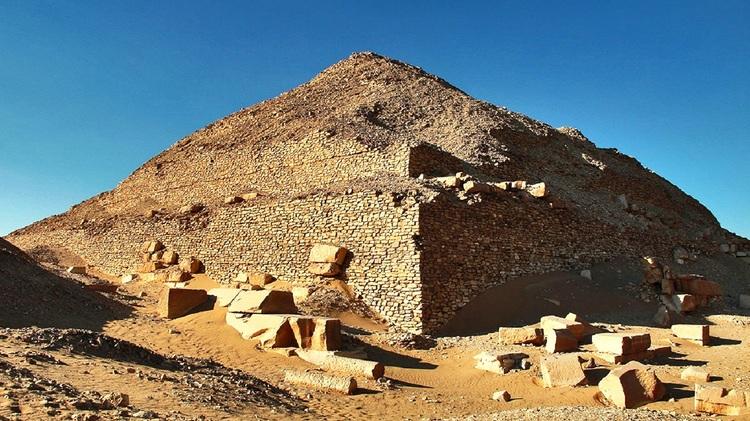
As Neferkare, Pepi II constructed a royal pyramid complex at Saqqara.
His pyramid was smaller than the gigantic pyramids of Giza, but it remained an important royal monument.
The pyramid complex included temples, causeways, subsidiary pyramids, and other structures associated with the king's funerary cult.
The pyramid was known by a name that emphasized the king's relationship with the divine and his eternal existence.
The Pyramid Texts
The funerary complex of Pepi II is particularly important because it contains religious texts.
The Pyramid Texts were written on the walls of royal burial chambers.
These texts contained spells and religious formulas intended to help the deceased king reach the afterlife and become an eternal divine being.
They provide some of the most important evidence for understanding ancient Egyptian beliefs about death and resurrection.
The King's Journey to the Afterlife
Egyptian kings were believed to continue existing after death.
The pharaoh could become associated with Osiris, the god of the dead, while also maintaining a connection with the sun god Ra.
The Pyramid Texts describe the king's journey through the heavens.
The deceased ruler was expected to join the gods and continue protecting Egypt from the divine realm.
This belief was central to royal funerary architecture.
The Royal Family
Pepi II had a large royal family.
His mother was Ankhesenpepi II, one of the most important women of the Sixth Dynasty.
She was the wife of Pepi I and the mother of Merenre I, and later played an important role in the royal succession.
Her career demonstrates the significant political influence that royal women could possess.
Pepi II's own family relationships were complicated because the royal court had to manage succession over an exceptionally long reign.
Queen Ankhesenpepi II
Ankhesenpepi II is particularly important in understanding the early years of Pepi II.
She belonged to a powerful family and became connected to several kings.
Her position illustrates how royal marriages and family alliances helped maintain the continuity of the Egyptian monarchy.
Royal women could own property, participate in religious institutions, and exercise considerable influence within the palace.
The Administration of Egypt
The Egyptian state depended on a large administrative system.
Scribes recorded taxes, agricultural production, workers, offerings, and royal resources.
Officials were responsible for managing estates and organizing labor.
Temples also controlled significant amounts of land and wealth.
The pharaoh stood at the top of this structure.
During the reign of Neferkare, this system continued to function, although regional independence gradually increased.
Egypt's Relationship with Nubia
Nubia remained extremely important throughout the Sixth Dynasty.
Egyptian expeditions traveled south in search of valuable resources.
The region was also strategically important because it provided access to trade routes deeper into Africa.
Officials such as Harkhuf became famous for their expeditions.
Their inscriptions provide evidence of Egypt's connections with African regions beyond the Nile Valley.
Trade and Foreign Relations
Egypt did not exist in isolation.
During the Sixth Dynasty, Egyptian officials maintained relationships with Nubia, Libya, and regions of the eastern Mediterranean.
Trade brought valuable products into Egypt.
Expeditions could also strengthen the political influence of the pharaoh.
These activities required ships, soldiers, administrators, and large quantities of supplies.
The Role of the Nile
The Nile was the foundation of Egyptian civilization.
Agriculture depended on its annual flood.
Crops such as wheat and barley were cultivated along the fertile valley.
The river also provided transportation.
Ships could carry people, goods, stone, and agricultural products between different regions.
The success of the Egyptian state depended heavily on managing the Nile's resources.
Signs of Political Change
Although Egypt remained powerful during much of Neferkare's reign, signs of political change became increasingly visible.
Provincial governors began to establish stronger local identities.
Their tomb inscriptions celebrated their personal accomplishments.
Some officials gained control over local resources and developed hereditary positions.
This gradually reduced the absolute dominance of the royal court.
The Growing Independence of Local Governors
Local governors were not necessarily enemies of the pharaoh.
They continued to recognize royal authority.
However, they had greater influence within their own regions.
Over time, their loyalty could become more closely connected to their families and local communities.
This created a political structure that was less centralized than the system associated with the great pyramid builders.
Possible Economic Difficulties
The Egyptian government required enormous resources.
The royal court, temples, officials, military expeditions, and funerary complexes all required food and labor.
If agricultural production declined, the state could face serious challenges.
Some historians believe that economic pressures contributed to the weakening of the central government toward the end of the Sixth Dynasty.
However, the evidence is complicated, and no single explanation can fully account for the changes.
Climate and the Nile Flood
Environmental conditions may also have played a role.
Changes in rainfall patterns in northeastern Africa could affect the amount of water reaching the Nile.
A series of unusually low floods could reduce agricultural production.
Some evidence suggests that environmental stress affected Egypt around the end of the Old Kingdom.
However, scholars continue to debate the exact relationship between climate change and political instability.
The End of an Era
Pepi II's reign eventually came to an end.
After such a long period of royal continuity, Egypt faced a complicated succession.
Several rulers appear to have held the throne for very short periods.
The central government became weaker.
The Sixth Dynasty eventually disappeared from the historical record.
The Old Kingdom was coming to an end.
Neferkare's Historical Legacy
The name Neferkare survived in Egyptian royal tradition.
It became associated with one of the most famous long-reigning pharaohs.
Later generations remembered Pepi II as an important king of the Old Kingdom.
His pyramid complex and inscriptions remain valuable archaeological evidence.
However, the reputation of his reign has changed over time.
Earlier historians sometimes viewed the end of his reign as a direct cause of Egypt's collapse.
Modern scholars are more cautious.
Did Pepi II Cause the Collapse?
It is tempting to blame the end of the Old Kingdom on one king.
However, historical evidence suggests a much more complicated process.
The weakening of central authority developed over generations.
Provincial governors gained power.
Economic and environmental challenges may have increased.
The succession after Pepi II was unstable.
Therefore, it is unlikely that one ruler alone caused the end of the Old Kingdom.
The First Intermediate Period
After the Sixth Dynasty, Egypt entered the First Intermediate Period.
The country became more politically fragmented.
Different regions were controlled by powerful local leaders.
The traditional centralized monarchy weakened.
However, Egyptian civilization continued.
Art, religion, writing, and agriculture all survived.
Eventually, Egypt would be reunified by rulers from Upper Egypt.
The Importance of Neferkare Today
Neferkare, the throne name of Pepi II, remains important to Egyptologists because his reign provides valuable evidence about the final stages of the Old Kingdom.
His long reign demonstrates the strength and durability of the Sixth Dynasty.
At the same time, the changes that occurred during his reign reveal the limits of centralized royal authority.
His story is therefore both a story of stability and transformation.
A Pharaoh Between Two Worlds
Neferkare can be viewed as a pharaoh standing between two different periods.
At the beginning of his reign, Egypt was still a powerful centralized state.
At the end of his reign, regional authorities had become much stronger.
The monuments, inscriptions, and officials of his period reveal this gradual transformation.
He ruled during a moment when the ancient Egyptian political system was reaching the limits of its traditional structure.
Conclusion
Neferkare, the throne name of Pepi II, was one of the most important rulers of Egypt's Sixth Dynasty and one of the most fascinating kings of the Old Kingdom.
His reign began when he was apparently very young and continued for an exceptionally long period according to ancient traditions.
During his rule, Egypt remained a powerful kingdom with an organized administration, extensive trade networks, active temples, and strong connections with Nubia and other neighboring regions.
The famous official Harkhuf provides a remarkable glimpse into the world of the young king and the Egyptian expeditions into Africa.
Neferkare also left an important funerary monument at Saqqara, where his pyramid complex contained religious texts that help modern historians understand ancient Egyptian beliefs about the afterlife.
However, his reign was also a period of gradual political transformation.
Provincial governors became increasingly powerful.
Local families accumulated wealth.
The central government faced economic pressures.
Environmental changes may have affected agricultural production.
Over time, the traditional centralized system of the Old Kingdom became increasingly difficult to maintain.
After the death of Pepi II, Egypt experienced a complicated succession and eventually entered the First Intermediate Period.
For this reason, Neferkare's legacy is complex.
He represents both the strength of the Old Kingdom and the beginning of the changes that eventually brought that era to an end.
His name, meaning approximately "Beautiful is the Ka of Ra," reflects the religious ideology of Egyptian kingship.
His monuments and inscriptions demonstrate the sophistication of Egyptian civilization, while the political developments of his reign reveal how even one of the world's most powerful ancient states could gradually change.
Neferkare remains an essential figure in the history of ancient Egypt because his reign connects the glory of the Old Kingdom with the political transformation that followed it.