Neferkare Tereru was one of the obscure rulers traditionally associated with Egypt’s Eighth Dynasty, a period of political uncertainty that followed the decline of the Old Kingdom. Very little is known about this king, and his reign appears to have been extremely brief.
Unlike the famous pharaohs who ruled during Egypt’s great periods of power, Neferkare Tereru left no known monumental complex that can confidently be attributed to him. His name survives mainly through the later Egyptian tradition of royal lists and through the complicated chronological reconstruction of the First Intermediate Period.
Although his historical footprint is small, Neferkare Tereru represents an important moment in the story of ancient Egypt: the difficult transition from the centralized Old Kingdom to the fragmented political landscape that eventually gave rise to the Middle Kingdom.
Egypt Before Neferkare Tereru
For centuries, Egypt had been ruled by powerful kings who controlled a highly organized centralized state.
The pharaoh stood at the center of government, religion, and society.
Royal administrators controlled agricultural production, collected resources, organized workers, managed temples, and supervised trade.
The Nile River provided the foundation of Egyptian civilization.
Its annual flood created fertile farmland, allowing large populations to live in the Nile Valley.
The centralized government used agricultural surpluses to support armies, temples, officials, craftsmen, and royal building projects.
This system reached extraordinary heights during the Old Kingdom.
The Age of the Pyramid Builders
The Old Kingdom is often remembered as the age of the great pyramids.
Kings such as Djoser, Sneferu, Khufu, Khafre, and Menkaure built enormous monuments.
These structures demonstrated the enormous organizational power of the Egyptian state.
Thousands of workers, engineers, craftsmen, priests, and administrators were involved in royal construction.
The pyramid complexes were not simply tombs.
They were religious institutions designed to maintain the king's eternal existence.
By the end of the Sixth Dynasty, however, the political system that supported these enormous projects was beginning to weaken.
Pepi II and the Changing State
The final great ruler of the Sixth Dynasty was Pepi II, whose throne name was Neferkare.
Ancient Egyptian tradition describes him as having ruled for an extraordinarily long time.
During his long reign, provincial officials gradually accumulated power.
Local governors controlled agricultural estates and administrative positions.
Some offices became hereditary.
This created powerful local families who could exercise significant influence without depending entirely on the royal court.
The centralized state continued to exist, but its foundations were gradually becoming weaker.
The End of the Old Kingdom
After Pepi II's death, Egypt experienced political uncertainty.
The succession of kings is difficult to reconstruct.
Several rulers appear to have governed for very short periods.
The central government struggled to maintain authority.
Eventually, the Sixth Dynasty ended.
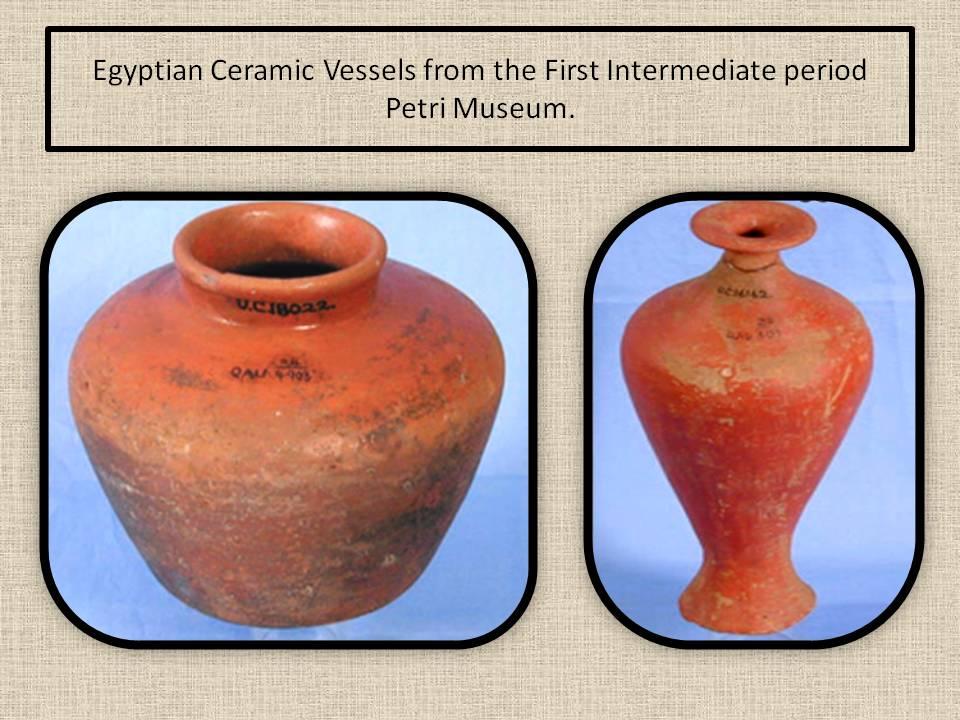
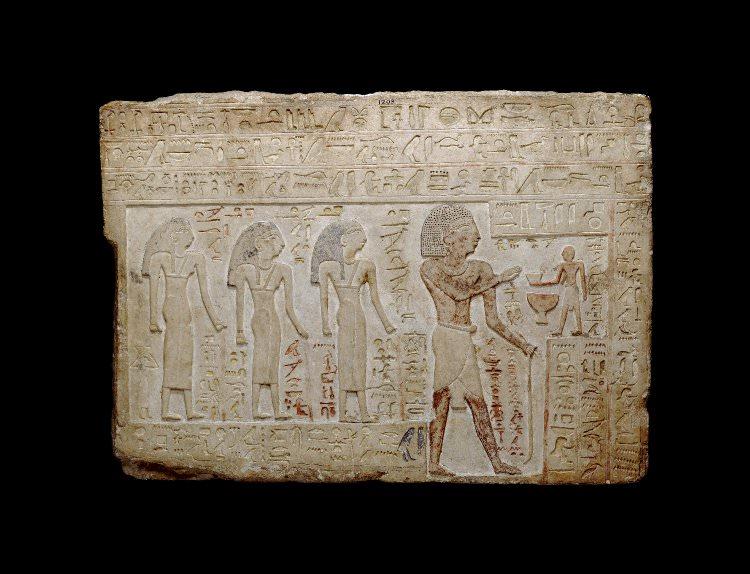
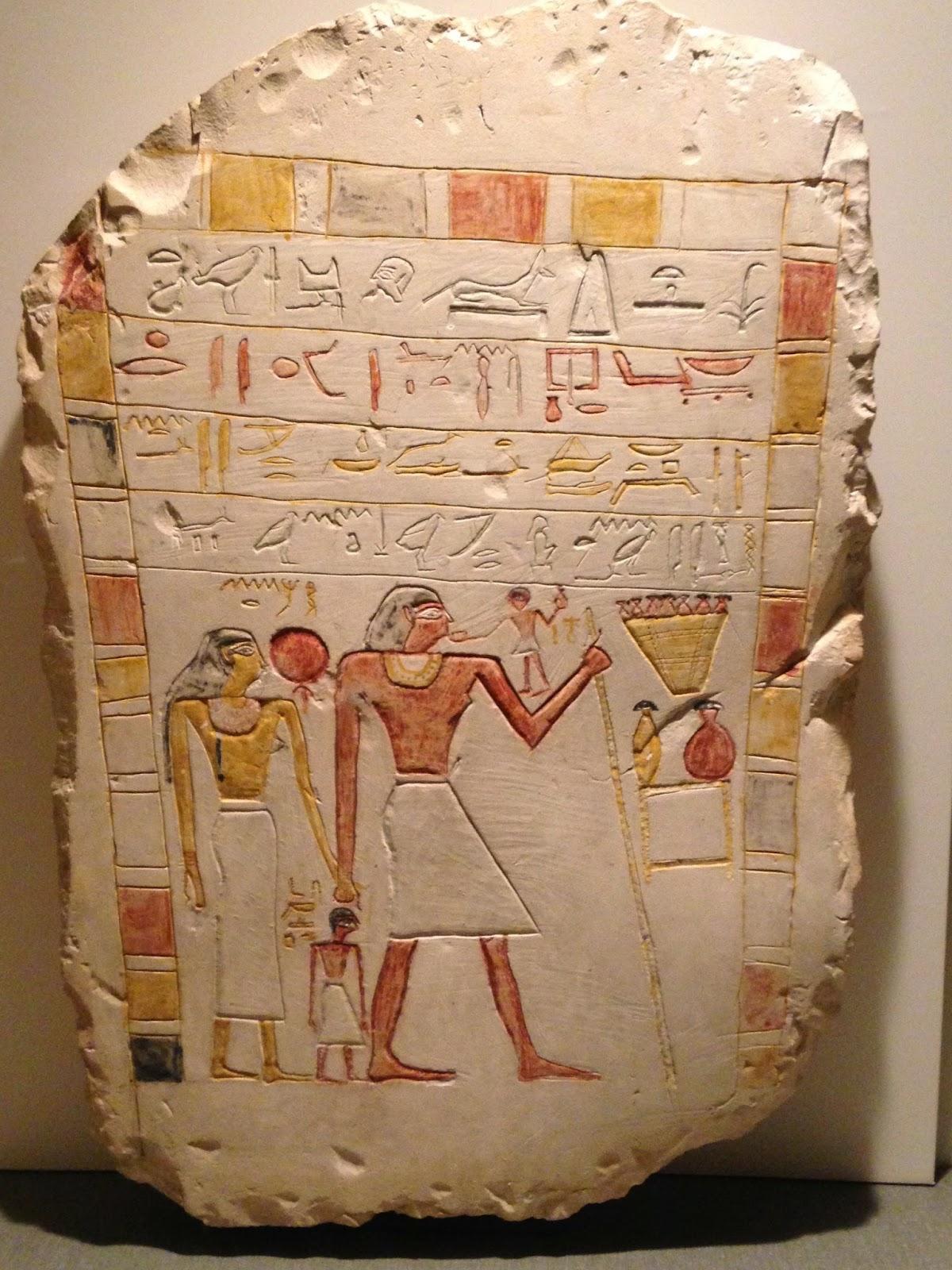
The period that followed is known as the First Intermediate Period.
Neferkare Tereru belongs to this confusing chapter of Egyptian history.
The Eighth Dynasty
The Eighth Dynasty is particularly difficult for historians.
Its kings were probably associated with Memphis.
They continued to use traditional royal titles and names.
They maintained the religious ideology of pharaonic kingship.
However, their political authority appears to have been limited.
Many kings associated with this dynasty may have ruled only briefly.
The rapid succession of rulers suggests that the royal court was experiencing serious political instability.
Neferkare Tereru was one of these little-known rulers.
The Meaning of Neferkare
The first part of the king's name, Neferkare, was a traditional royal name meaning approximately "Beautiful is the Ka of Ra" or "Perfect is the Ka of Ra."
Ra was the great Egyptian solar deity.
The ka represented an important aspect of a person's life force or spiritual identity.
Royal names connected to Ra were especially important in Egyptian kingship.
The use of Neferkare in this king's name shows that the traditional solar ideology of the Old Kingdom continued during the First Intermediate Period.
The Mystery of Tereru
The second element of the name, Tereru, is particularly obscure.
There is very little evidence that allows historians to reconstruct the king's personality or political activities.
The surviving historical tradition gives us a name but almost no narrative.
This is common with several rulers of the Eighth Dynasty.
Their names survived in later sources even though their monuments and biographies disappeared.
A Short Reign
Neferkare Tereru appears to have ruled for a very short period.
The exact length of his reign is uncertain.
The kings of the Eighth Dynasty often appear in rapid succession.
Such short reigns would have made it extremely difficult for a ruler to establish a stable administration.
A king could theoretically claim divine authority, but maintaining practical control over distant provinces required resources and loyal officials.
Those resources were increasingly limited.
Political Fragmentation
During this period, Egypt was becoming politically decentralized.
The provincial governors had more control over their own regions.
Local elites managed agricultural resources.
Temples controlled significant estates.
The royal government had fewer resources with which to impose its authority.
The result was a gradual transformation of the political system.
Egypt was no longer functioning as the highly centralized state that had built the great pyramids.
Memphis and the Royal Court
Memphis remained an important center of royal authority.
It had been one of Egypt's greatest cities since the beginning of the dynastic period.
The city was closely associated with the god Ptah.
The Memphite priesthood preserved important religious traditions.
Even though the central government was weakening, Memphis remained an important symbol of legitimate kingship.
Neferkare Tereru's association with the Eighth Dynasty therefore connects him with this continuing Memphite royal tradition.
Provincial Governors
One of the most important developments of the First Intermediate Period was the growing power of provincial governors.
Egypt was divided into administrative districts called nomes.
Each region had its own officials.
During the Old Kingdom, these officials were largely dependent on the pharaoh.
Over time, their positions became increasingly hereditary.
Local governors began to accumulate land and wealth.
Their tombs became more impressive.
Some described themselves as protectors of their communities.
This demonstrates how political authority was shifting away from the royal court.
The Nile and the Economy
The Egyptian economy depended heavily on the Nile.
The annual flood deposited fertile soil across the agricultural lands.
Farmers grew wheat, barley, vegetables, and other crops.
Agricultural surpluses supported the government and temples.
The Nile also served as Egypt's main transportation network.
When political power became fragmented, local control over agricultural resources became extremely important.
Environmental Difficulties
Environmental changes may also have contributed to the crisis at the end of the Old Kingdom.
Changes in rainfall patterns could affect the Nile flood.
Reduced flooding could reduce agricultural production.
Food shortages and economic pressure could increase political instability.
However, historians generally view environmental factors as one part of a much larger process.
Political decentralization and the rise of powerful provincial elites were also crucial.
Religion During Neferkare Tereru's Time
Religion remained at the center of Egyptian life.
The traditional gods continued to be worshiped.
Ra remained an important solar deity.
Horus continued to symbolize kingship.
Osiris became increasingly important in funerary religion.
Ptah remained central to Memphis.
The political weakness of the monarchy did not mean the disappearance of Egyptian religion.
In many ways, religious traditions helped preserve Egyptian cultural identity during the period of political division.
The Pharaoh and Maat
Egyptian kings were traditionally responsible for maintaining maat.
Maat represented truth, justice, harmony, and cosmic balance.
The pharaoh was expected to protect Egypt from chaos.
This religious concept gave the king an important ideological role even when his practical political power was limited.
The later reunification of Egypt would be presented as the restoration of maat.
Funerary Beliefs
Ancient Egyptians believed that life continued after death.
The deceased required food offerings, prayers, and spiritual protection.
Tombs served as places where offerings could be presented.
Royal funerary traditions were especially elaborate during the Old Kingdom.
However, during the First Intermediate Period, large royal pyramid complexes became less common.
This reflects the reduced resources available to the central monarchy.
No Known Pyramid
No pyramid has been securely identified as belonging to Neferkare Tereru.
This is not surprising.
A royal pyramid required enormous amounts of labor and resources.
Stone had to be transported over long distances.
Workers needed food and housing.
Priests and administrators had to maintain the complex.
A king with a short reign and limited political power would have struggled to complete such a project.
The Decline of Royal Monuments
The disappearance of massive royal construction is one of the clearest signs of the political transformation.
The great pyramid builders could mobilize huge numbers of workers.
The Eighth Dynasty rulers apparently could not.
Their limited monuments reflect the changing balance of power.
Instead of enormous royal complexes, archaeological evidence increasingly comes from provincial tombs and local centers.
The First Intermediate Period Was Not Total Collapse
It is important not to imagine Egypt during this time as a completely destroyed civilization.
Communities continued to farm.
Temples continued to function.
Local rulers continued to govern.
Craftsmen continued to work.
Scribes continued to write.
Religious beliefs continued.
The culture survived even though political authority was divided.
In some areas, local artistic traditions actually became more distinctive.
The Rise of Thebes
As the Memphite monarchy weakened, southern Egypt developed increasingly powerful local leadership.
Thebes became one of the most important political centers.
The Theban rulers eventually emerged as major rivals to northern and central powers.
At the same time, rulers based around Herakleopolis became influential.
Egypt was moving toward a political struggle between regional powers.
Neferkare Tereru ruled before this struggle reached its final stage.
The Herakleopolitan Kings
Herakleopolis Magna became an important political center in Lower and Middle Egypt.
Its rulers claimed the authority of kingship.
They continued many traditional Egyptian customs.
The rivalry between Herakleopolis and Thebes would eventually shape the later part of the First Intermediate Period.
This political competition eventually ended with Theban victory.
Mentuhotep II and Reunification
The final reunification of Egypt was achieved by Mentuhotep II of Thebes.
He defeated his northern rivals and restored centralized government.
Egypt entered a new era known as the Middle Kingdom.
The Middle Kingdom saw renewed royal authority, major building projects, military expansion, and cultural development.
The transformation from the First Intermediate Period to the Middle Kingdom was one of the most important political recoveries in ancient Egyptian history.
Neferkare Tereru's Place in This Story
Neferkare Tereru belongs to the early stage of this transformation.
He was a king who continued the traditional institution of pharaoh at a time when the political structure supporting that institution was becoming weaker.
His reign therefore represents continuity during crisis.
The royal institution survived.
The traditional gods remained important.
Royal names continued to invoke Ra.
The concept of maat remained central.
These traditions would eventually help later kings restore a unified state.
Why So Little Is Known
The lack of information about Neferkare Tereru has several possible explanations.
His reign may have been extremely short.
He may not have had enough resources to construct large monuments.
Buildings from his period may have been dismantled or reused.
Later construction may have covered or destroyed earlier remains.
Documents from the First Intermediate Period are incomplete.
Political instability may also have contributed to the loss of royal records.
The Importance of Royal Lists
Later Egyptian scribes attempted to preserve the history of their kings.
The Abydos King List is especially valuable.
Although created much later, it demonstrates that Egyptian historians remembered rulers from periods that were already ancient by their time.
Other sources, including the Turin Royal Canon, also contribute to the reconstruction of Egyptian chronology.
Together, these sources help historians identify otherwise forgotten kings.
The Challenge for Egyptologists
Studying Neferkare Tereru requires careful interpretation.
Historians must compare incomplete sources.
They must distinguish between reliable evidence and later traditions.
They must consider archaeological evidence.
They must also recognize that some details simply cannot be known.
This uncertainty is a normal part of studying ancient Egyptian history.
A Forgotten Pharaoh
Neferkare Tereru is not remembered because of spectacular monuments.
He is remembered because his name survived.
His brief appearance in Egyptian royal history gives us a glimpse into a period when the country was changing dramatically.
He represents the many rulers who stood between the great pyramid builders and the kings of the Middle Kingdom.
The Legacy of Neferkare Tereru
His legacy is subtle.
He did not leave behind a famous pyramid.
He did not create a great empire.
He did not become a legendary military ruler.
Instead, his legacy lies in the continuation of Egyptian kingship.
Even during political fragmentation, the idea of the pharaoh survived.
This continuity was crucial for Egypt's later recovery.
Conclusion
Neferkare Tereru was one of the mysterious kings associated with Egypt's Eighth Dynasty and the First Intermediate Period.
Very little is known about him.
His family remains unknown.
His political achievements are uncertain.
His military activities are not recorded.
His burial place has not been securely identified.
His reign was probably very short.
Yet his name provides valuable evidence for the survival of the Egyptian monarchy during one of the country's most difficult transitions.
Neferkare Tereru lived after the great age of pyramid construction.
The centralized state that had built the monuments of Giza was weakening.
Provincial governors were becoming increasingly powerful.
Local elites controlled more agricultural resources.
Temples possessed significant wealth.
The central royal administration struggled to maintain authority.
Environmental pressures may also have contributed to the difficulties of the period.
Nevertheless, Egyptian culture survived.
The Nile continued to support agriculture.
Religious traditions remained strong.
The concept of maat continued to define royal responsibility.
The pharaoh continued to be presented as a divine ruler connected with the gods.
Neferkare Tereru's name, containing the traditional Neferkare element associated with Ra, demonstrates that the old religious ideology of kingship remained alive.
Eventually, the political fragmentation of Egypt would end.
The rulers of Thebes gained power, and Mentuhotep II reunited the country.
The Middle Kingdom followed, restoring centralized authority and beginning another great period of Egyptian civilization.
Neferkare Tereru ruled before this reunification.
His reign belongs to the shadowy period between the Old Kingdom and Middle Kingdom.
Although almost nothing personal about him survives, his name remains a small but meaningful piece of Egypt's enormous historical record.
Neferkare Tereru may have been a forgotten king, but his story helps us understand how Egyptian kingship survived one of the greatest political transformations in the history of ancient Egypt.