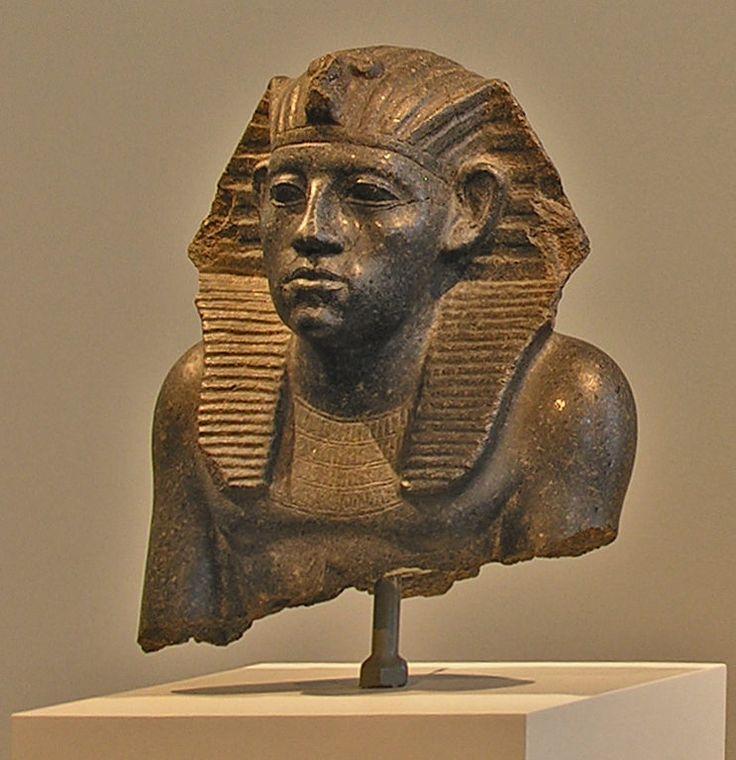
Amenemhat IV was an important ruler of ancient Egypt and one of the final pharaohs of the Twelfth Dynasty. His reign came after the long and prosperous rule of Amenemhat III, one of the greatest economic and architectural rulers of the Middle Kingdom.
Although Amenemhat IV ruled for only a relatively short period, his reign continued many of the political, economic, religious, and architectural traditions established by his predecessors.
He inherited an exceptionally prosperous Egypt.
The country had strong agricultural production.
The Faiyum had been extensively developed.
Egypt maintained control over Nubia.
Trade routes remained active.
The central government was powerful.
The royal treasury had considerable resources.
Amenemhat IV therefore did not need to rebuild Egypt.
Instead, his main challenge was to preserve the achievements of the Twelfth Dynasty.
His reign is especially associated with Medinet Madi, a temple in the Faiyum dedicated to the gods Renenutet and Sobek.
Amenemhat IV also continued mining and trading activities and maintained Egypt's traditional relationships with neighboring regions.
His reign was relatively peaceful.
However, because he ruled for a much shorter time than Amenemhat III, fewer monuments and inscriptions survive from his period.
This makes Amenemhat IV one of the more mysterious rulers of the Middle Kingdom.
His story is nevertheless important because he stood near the end of one of ancient Egypt's greatest dynasties.
Egypt Before Amenemhat IV
Amenemhat IV inherited an Egypt that had been transformed by generations of Twelfth Dynasty rulers.
The dynasty began with Amenemhat I.
He restored strong central government after the political difficulties of the First Intermediate Period.
His son, Senusret I, strengthened Egypt's borders and expanded its influence.
Amenemhat II continued economic development and international trade.
Senusret II concentrated heavily on agriculture and the Faiyum.
Senusret III transformed the military and administrative structure of the country.
Amenemhat III brought Egypt to an impressive level of economic prosperity and sponsored enormous building projects.
Amenemhat IV inherited the results of all these achievements.
Becoming Pharaoh
Amenemhat IV succeeded Amenemhat III.
The exact family relationship between the two kings is not completely certain, although Amenemhat IV is generally considered to have been closely connected to the royal family and probably a son or chosen successor of Amenemhat III.
He may have been associated with his predecessor's government before becoming king.
Ancient Egyptian rulers sometimes used co-regencies to ensure a smooth succession.
This possibility has been discussed by Egyptologists in connection with Amenemhat IV.
A Short Reign
Amenemhat IV ruled for approximately nine years, although different chronologies give somewhat different estimates.
His reign was considerably shorter than the long reign of Amenemhat III.
This limited the number of monuments that could be constructed.
As a result, archaeological evidence for Amenemhat IV is relatively scarce.
Nevertheless, surviving inscriptions show that his government remained active.
A Peaceful Pharaoh
Amenemhat IV is not remembered for major wars.
There are no famous military campaigns comparable to those of Senusret III.
Instead, his reign appears to have focused on maintaining the stability of the Egyptian state.
The southern frontier remained protected.
The Egyptian administration continued to function.
Trade and mining activities continued.
Maintaining the Economy
Amenemhat IV inherited a strong economy.
Agriculture remained the foundation.
The Faiyum was productive.
Mining expeditions continued.
Foreign trade remained important.
The king's government continued to manage these resources.
His success therefore depended heavily on maintaining the systems developed by earlier rulers.
The Faiyum
The Faiyum remained one of the most important regions of Egypt.
Amenemhat III had invested heavily in its development.
Amenemhat IV continued the region's religious and economic traditions.
The Faiyum contained fertile farmland and important religious centers.
Medinet Madi
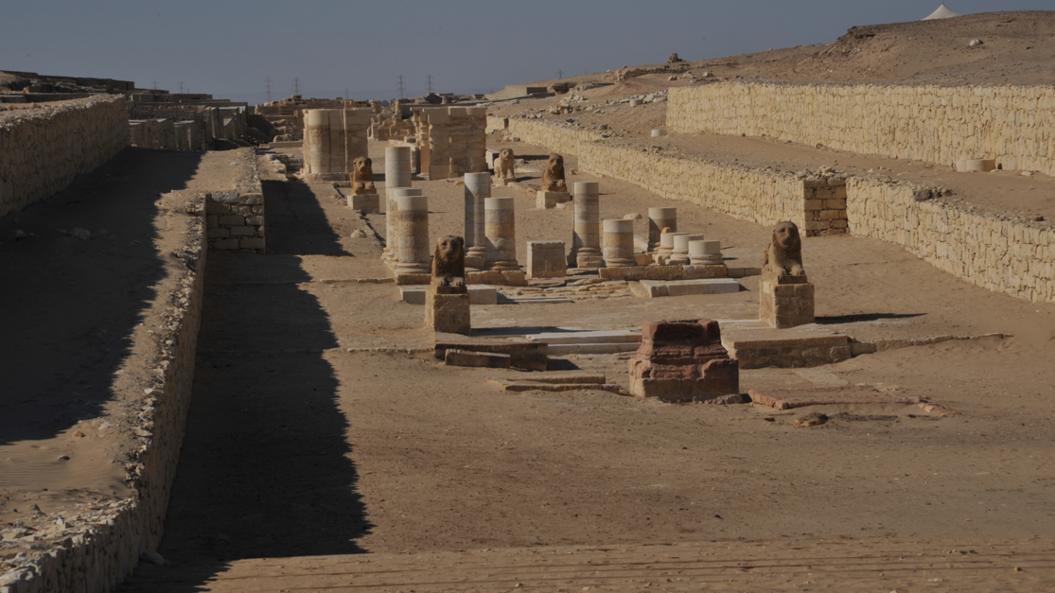
The most famous monument associated with Amenemhat IV is the temple at Medinet Madi.
The site is located in the Faiyum.
The temple was dedicated to Renenutet, a goddess associated with harvests and fertility, and Sobek, the powerful crocodile god connected with water and fertility.
Amenemhat III and Amenemhat IV were both involved in the construction and development of this temple.
The Temple of Medinet Madi
The temple is one of the best-preserved Middle Kingdom temples.
It provides important evidence about religion and architecture during the Twelfth Dynasty.
The structure contained sanctuaries, halls, and decorated areas.
Religious rituals were performed there.
Priests maintained the cults of the gods.
Renenutet
Renenutet was associated with harvests, nourishment, fertility, and protection.
For farmers, her role was extremely important.
The Faiyum's agricultural prosperity made her worship especially meaningful in the region.
Amenemhat IV's support of her temple reflected the importance of agriculture to Egypt.
Sobek
Sobek was one of the most important gods of the Faiyum.
He was represented as a crocodile or as a man with a crocodile head.
He was associated with water, fertility, strength, and royal power.
The Nile and irrigation systems were essential to Egypt.
Sobek therefore represented some of the most important forces in Egyptian life.
Agriculture
Amenemhat IV continued to benefit from the agricultural development of the previous reign.
The Faiyum produced grain, vegetables, fruits, and other resources.
Agricultural taxes supported the government.
Farmers formed the economic foundation of Egyptian society.
Irrigation
The success of the Faiyum depended on water management.
Canals and waterways distributed water.
Embankments helped control flooding.
The government maintained irrigation infrastructure.
These systems had been developed over generations.
Amenemhat IV inherited and maintained them.
Mining Expeditions
Amenemhat IV's reign is also associated with Egyptian mining activities.
The Eastern Desert and Sinai were important sources of valuable resources.
Turquoise and copper could be obtained from the Sinai.
Stone was extracted from desert quarries.
Gold remained a major resource associated with Egypt's southern territories.
Wadi Hammamat
The Eastern Desert route through Wadi Hammamat was important for quarrying.
Egyptian expeditions traveled through the valley to reach stone resources.
Royal inscriptions documented some of these activities.
These expeditions demonstrated that the Egyptian government continued to organize large-scale operations even during Amenemhat IV's short reign.
Sinai
The Sinai remained important for mining.
Turquoise was valuable for jewelry.
Copper was essential for tools and weapons.
Mining expeditions required organization.
Workers needed food and water.
Military protection was necessary.
Officials recorded the activities.
Trade
Egypt continued its international trade during Amenemhat IV's reign.
The Levant remained an important source of timber.
Nubia supplied gold and other valuable products.
Red Sea routes connected Egypt with southern regions.
Trade helped maintain the prosperity inherited from Amenemhat III.
Nubia
Egypt's relationship with Nubia remained important.
Senusret III had created a powerful military frontier.
Amenemhat III maintained the system.
Amenemhat IV inherited it.
The fortresses along the Nile protected Egypt's southern border.
The Nubian Fortresses
Fortresses at places such as Semna, Uronarti, and Buhen remained symbols of Egyptian authority.
They controlled river traffic.
They protected trade.
They housed soldiers and administrators.
They represented the reach of the Egyptian state.
Gold From the South
Gold was especially valuable.
Egyptian kings used it for jewelry, religious objects, statues, and diplomatic gifts.
The continued connection with Nubia helped maintain access to this resource.
International Relations
Amenemhat IV ruled during a period of international exchange.
Egypt had connections with the Levant and other regions.
Foreign goods reached Egyptian markets.
Egyptian products also traveled abroad.
Diplomacy and trade were closely connected.
The Levant
The Levant was an important trading region.
Egypt imported timber and other materials.
Foreign luxury objects could enter Egypt through commercial and diplomatic networks.
The Middle Kingdom was an internationally connected civilization.
The Red Sea
The Red Sea remained an important route.
Egyptian expeditions could travel from the Nile Valley through the Eastern Desert to Red Sea ports.
From there, they could access distant regions.
Incense and other luxury products were valuable imports.
Religion
Religion remained central to Amenemhat IV's rule.
The king supported the traditional gods.
He maintained temples.
He sponsored religious ceremonies.
He participated in the traditional relationship between the king and the divine world.
Maat
The king's primary religious responsibility was to maintain maat.
Maat represented order, justice, balance, and harmony.
A successful king ensured that Egypt remained prosperous and secure.
Amenemhat IV continued this traditional ideology.
Osiris
Osiris remained one of Egypt's most important gods.
He represented death, resurrection, and eternal life.
Middle Kingdom royal funerary traditions were strongly connected with Osiris.
Amenemhat IV continued these traditions.
Amun
Amun remained an important deity at Thebes.
The temples of Amun continued to receive royal attention.
His importance would increase dramatically during the New Kingdom.
Royal Power
Amenemhat IV inherited a highly centralized government.
The provincial governors had much less independence than they had possessed during earlier periods.
Royal officials managed taxation.
Scribes maintained records.
The treasury controlled resources.
This centralized system allowed the king to govern efficiently even during a relatively short reign.
The Bureaucracy
Egypt's bureaucracy was sophisticated.
Officials supervised agriculture.
Others managed mining.
Some controlled temples.
Military officials managed fortresses.
Scribes documented everything.
This system had been developed over centuries.
Scribes
Scribes were among the most important members of Egyptian society.
They could read and write administrative documents.
They recorded taxes.
They wrote letters.
They calculated supplies.
They prepared legal documents.
The Egyptian state could not function without them.
Art
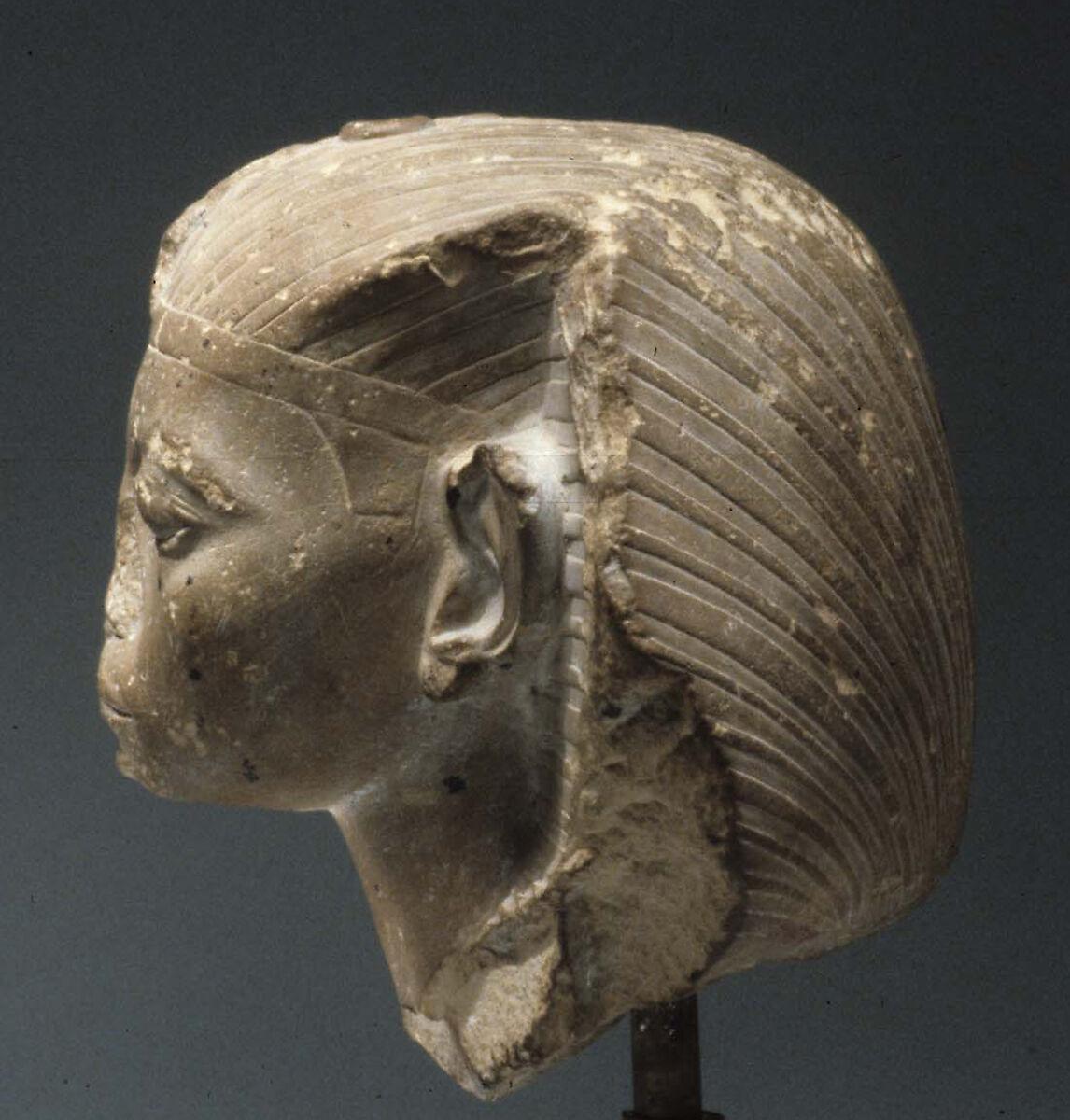
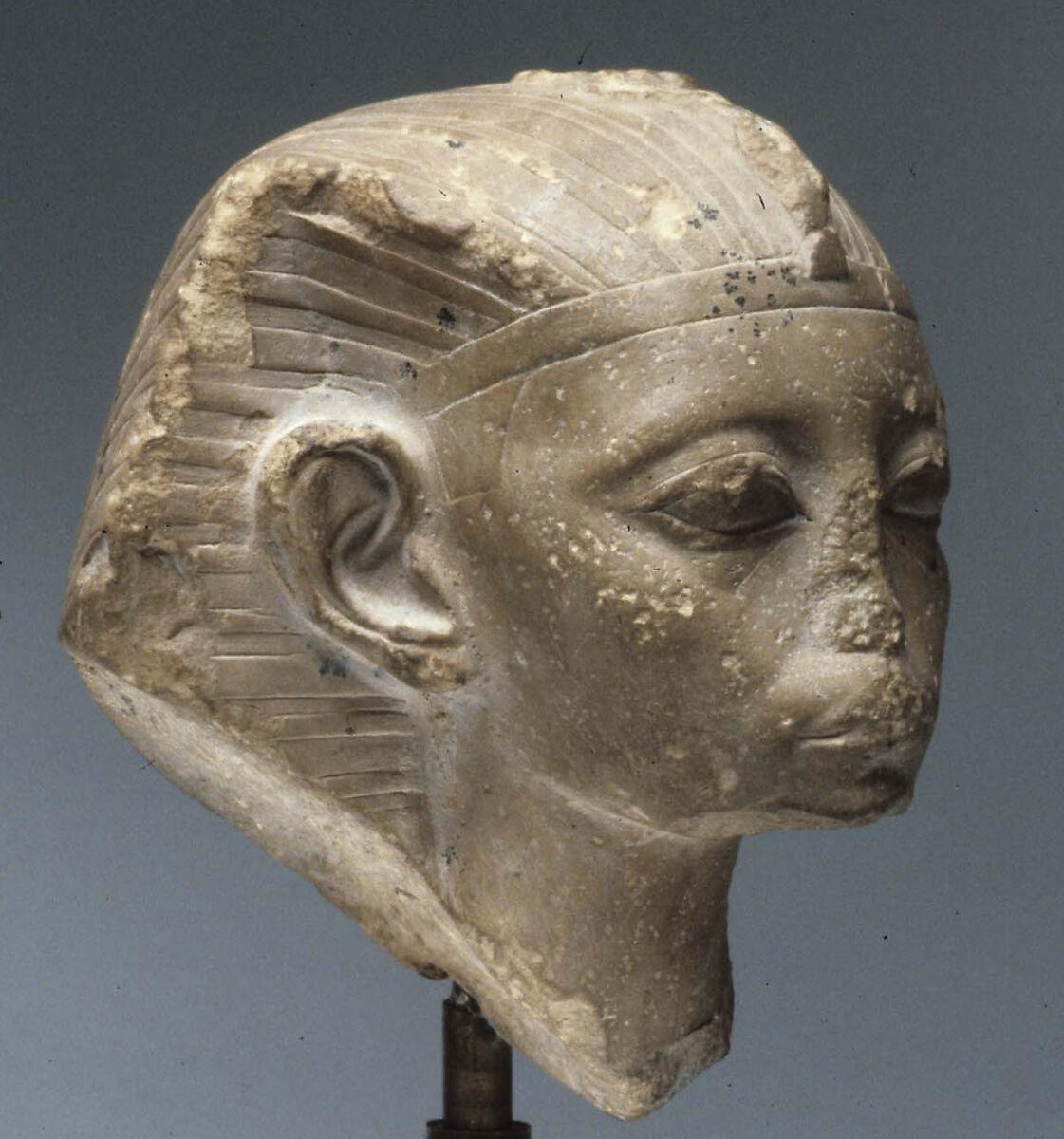
Amenemhat IV's surviving artistic representations are relatively limited.
However, the artistic traditions of the Twelfth Dynasty continued.
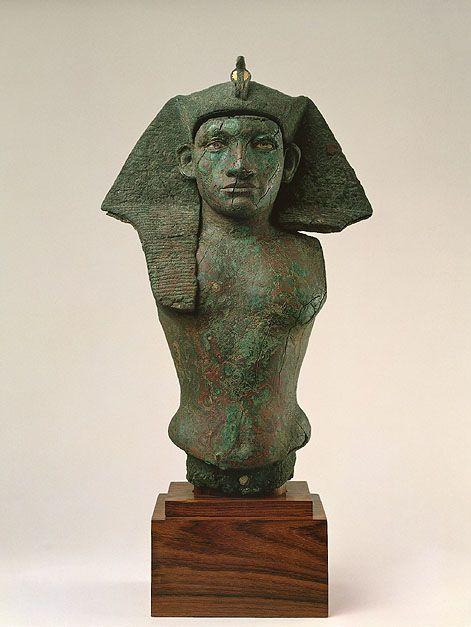
Royal statues maintained the traditional symbolism of kingship.
The king was shown as powerful, controlled, and connected with the gods.
Royal Statues
Images of Amenemhat IV are much less numerous than those of Amenemhat III or Senusret III.
This is probably partly because his reign was short.
Nevertheless, surviving pieces demonstrate the continued quality of Middle Kingdom sculpture.
Architecture
Amenemhat IV's building program was more limited than that of Amenemhat III.
The most important surviving monument associated with him is the temple at Medinet Madi.
He also continued construction and restoration activities elsewhere.
The Temple at Medinet Madi
The temple is particularly significant because it preserves evidence of the final stages of Twelfth Dynasty architecture.
Its decorations and inscriptions provide valuable information about Amenemhat IV.
The temple demonstrates the close relationship between royal authority, agriculture, and religion.
The Faiyum and Fertility
The connection between the Faiyum and fertility was extremely strong.
The region depended on water.
Water supported agriculture.
Agriculture supported the population.
The gods associated with fertility and water therefore played a central role.
Amenemhat IV's support for Sobek and Renenutet reflected these realities.
Everyday Life
Most Egyptians during Amenemhat IV's reign were farmers.
They lived in villages.
They cultivated fields.
They raised animals.
They paid taxes.
They participated in religious festivals.
Their lives depended heavily on the Nile.
Food
Bread and beer were basic foods.
Fish was widely available.
Vegetables and fruits were grown along the Nile.
Wealthier Egyptians could eat meat more frequently.
Clothing
Linen was the main fabric.
Simple garments were worn by farmers.
Officials and wealthy Egyptians could wear finer clothing.
Jewelry indicated social status.
Women
Egyptian women could own property.
They could inherit possessions.
They could enter legal agreements.
Marriage contracts and property documents provide evidence of their legal position.
The Army
Amenemhat IV inherited a strong army.
Egypt's southern border was heavily fortified.
The military continued to protect trade routes and mining expeditions.
Because Egypt was relatively secure, the king did not need to launch major campaigns.
Economic Stability
The key achievement of Amenemhat IV was maintaining the economic stability of his predecessors.
He did not create the prosperity of the Twelfth Dynasty.
He inherited it.
His success was in preserving it.
The Final Years of the Twelfth Dynasty
Amenemhat IV's reign was one of the final chapters of the Twelfth Dynasty.
After his death, the throne passed to Neferusobek, also known as Sobekneferu.
She became one of the most significant female rulers of ancient Egypt.
Sobekneferu
Sobekneferu was closely connected with the royal family.
She may have been a daughter of Amenemhat III.
Her reign marked the end of the Twelfth Dynasty.
She was one of the earliest clearly documented women to rule Egypt as king.
The End of a Great Dynasty
The Twelfth Dynasty had lasted for generations.
It transformed Egypt.
The country became politically centralized.
Agriculture expanded.
The Faiyum developed.
Nubia came under Egyptian control.
Trade flourished.
Art and literature reached impressive levels.
Amenemhat IV inherited this extraordinary legacy.
Amenemhat IV's Historical Importance
Amenemhat IV is important because he maintained the achievements of the Twelfth Dynasty during its final years.
He preserved economic systems.
He supported temples.
He maintained international trade.
He continued mining activities.
He supported the Faiyum.
He helped ensure a peaceful transition to the final ruler of the dynasty.
Why So Little Is Known About Him
Compared with kings such as Senusret III and Amenemhat III, Amenemhat IV left relatively few monuments.
His short reign is one explanation.
Another is that many Middle Kingdom monuments were later dismantled or reused.
Stone from ancient temples was often incorporated into later buildings.
As a result, archaeological evidence for Amenemhat IV is limited.
His Place in Egyptian History
Amenemhat IV may not have been one of Egypt's most famous conquerors.
He did not build enormous military monuments.
He did not create a vast empire.
Instead, he represented continuity.
He inherited a powerful kingdom and maintained it.
His reign demonstrates that preserving stability could be just as important as conquest.
Conclusion
Amenemhat IV was one of the final rulers of Egypt's great Twelfth Dynasty.
His reign came after the extraordinary achievements of Amenemhat III and before the rule of Neferusobek.
Although his reign was relatively short, he inherited one of the strongest and most prosperous kingdoms of the Middle Kingdom.
The foundations of his power had been established by generations of rulers.
Amenemhat I had rebuilt centralized government.
Senusret I had strengthened Egypt's military and religious institutions.
Amenemhat II had expanded international trade.
Senusret II had developed the Faiyum.
Senusret III had transformed the army and weakened the power of provincial governors.
Amenemhat III had brought Egypt to an extraordinary level of economic prosperity and monumental construction.
Amenemhat IV inherited all of this.
His primary responsibility was to preserve it.
His reign appears to have been relatively peaceful.
Egypt's borders remained secure.
The Nubian fortress system continued to operate.
Trade routes remained active.
Mining expeditions continued.
Agriculture remained productive.
The Faiyum continued to be one of Egypt's most important economic regions.
One of his most important monuments was the temple at Medinet Madi.
The temple was dedicated to Renenutet and Sobek.
Renenutet represented fertility, harvests, and nourishment.
Sobek represented water, fertility, strength, and royal power.
Their worship was particularly appropriate in the Faiyum, where the success of agriculture depended on the management of water.
The temple demonstrates the close relationship between religion and economic life.
Amenemhat IV also continued Egypt's mining activities.
The Sinai provided turquoise and copper.
The Eastern Desert provided stone and other minerals.
Gold continued to arrive from southern territories.
These resources were essential for the economy and for the production of tools, weapons, jewelry, and religious objects.
International trade also remained important.
Egypt exchanged goods with the Levant, Nubia, and Red Sea regions.
Imported timber was particularly valuable.
Foreign luxury goods reached the Egyptian elite.
Egyptian products traveled beyond the Nile Valley.
The centralized bureaucracy made all of these activities possible.
Scribes recorded taxes and supplies.
Officials managed agriculture.
Military commanders controlled fortresses.
Administrators organized mining expeditions.
Temple officials managed religious institutions.
The government inherited by Amenemhat IV was one of the most sophisticated administrative systems of the ancient world.
Religion remained central to his kingship.
Like earlier pharaohs, he was responsible for maintaining maat.
He was expected to preserve order.
He supported the gods.
He maintained temples.
He ensured that Egypt remained prosperous and secure.
His surviving monuments demonstrate his commitment to these traditional responsibilities.
Amenemhat IV's importance becomes even clearer when viewed within the history of the Twelfth Dynasty.
He was not the founder of a new era.
He was the guardian of an existing golden age.
His reign helped preserve the stability created by his predecessors.
When he died, the throne passed to Neferusobek.
Her reign brought the Twelfth Dynasty to an end.
The dynasty had transformed Egypt into a centralized, wealthy, and powerful state.
Amenemhat IV was one of the final pharaohs who maintained that achievement.
His legacy may not be as visually spectacular as that of Amenemhat III or Senusret III, but it remains historically significant.
He represents continuity.
He represents stability.
He represents the final phase of one of the greatest dynasties in Egyptian history.
Amenemhat IV was the Pharaoh who inherited the prosperity of the Twelfth Dynasty and preserved it during its final years. Through religious patronage, economic administration, mining, trade, and continued development of the Faiyum, he helped maintain the strength of Middle Kingdom Egypt until the dynasty passed into its final chapter.